Set it up early…ensuring your child’s future

“Education is the most powerful weapon which you can use to change the world.”

~Nelson Mandela

One thing I am truly proud of as a Filipino is how we value education and parents go through great lengths to have their children finish a degree as we believe that it increases the probability of our children having a good future.

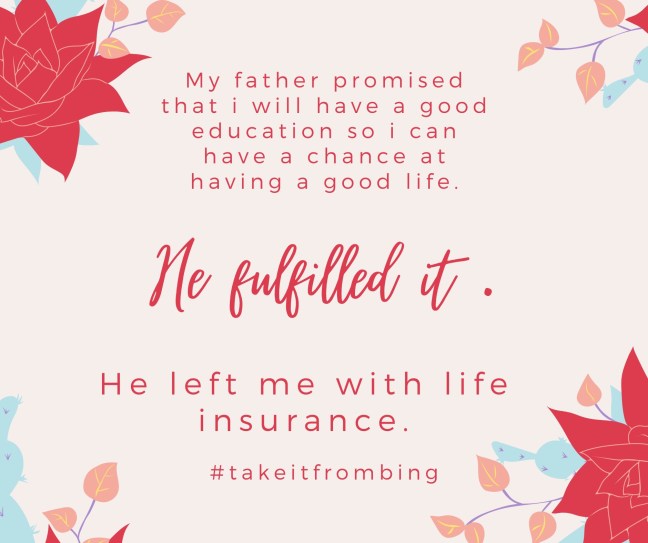
My story is no different. The conversation I had with my father that fateful night when I was in second year high school continues to be vivid in my mind until now. He came home and saw me crying because I was not yet enrolled as he was still sourcing the money. He sat me down and told me that no matter what happens, I will be enrolled and he promised that even if it takes selling all that he has, he will make sure he gets me through school. He passed away when I was in my junior year in College and indeed, he left provisions so I could finish my degree. His life insurance policy made sure I continue my studies despite the unstable income of my mother from her “sari-sari” store (a sari-sari store is a small neighbourhood store that sells common sundry items; sari-sari is a Filipino word for variety).

Thank you, Papang for fulfilling your promise.

When it was my turn to have a child of my own, setting up an education fund for our daughter was one of the first decisions we made as parents. Both my husband and I got separate policies three months apart. Last year, after 15 years, our education plans matured so we now have her college fund ready (she will be entering college in less than 2 years). Since both my husband and I are still earning, we have the choice to re-invest a portion of it which she can use later after graduation or if we need it for some education requirements, we can do that too. Our decision to set it up early gave us the options now plus the peace of mind that no matter what happens to our ability to earn, she can finish her chosen degree just like what my father did to me.
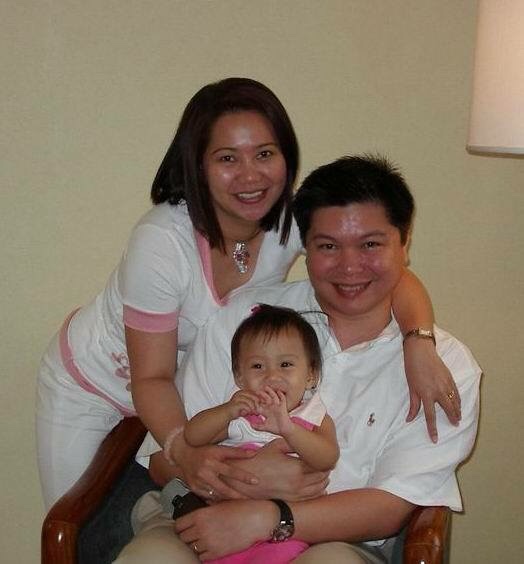
Our bundle of joy at about the time we started her education fund

The key is to start early. As soon as your bundle of joy is born (or better still, before birth), start setting up his/her education fund because the more years you have to grow the fund, the less amount you need to start it.

Invest it in a fund that is not easy to access. Simply putting it in a savings account does not only put your money to sleep (as it hardly earns anything) but it also gives you easy access to it so the risk of diverting it to other things is high.

Make it grow. If you start it early, like ten years or more before you actually need it, you can be more aggressive in the funds you invest in. Aggressive funds like equity give more upside but may also be more volatile. However, the longer time horizon you have mitigates the risks. Do frequent top-ups so you catch the “downs” of the market and get higher returns. Don’t just invest one time. Invest frequently.

Having more children requires an even more deliberate approach to education funding especially that we have other needs to prepare for like our retirement. Considering the ever-increasing cost of education, it’s either you will compromise the comforts of your daily living now by cutting your expenses here and there or you compromise your ability to save for a comfortable retirement. Both require long-term planning.

So while you still can, start it now. Every delay has a price to pay.

For related blogs, please read the links below:
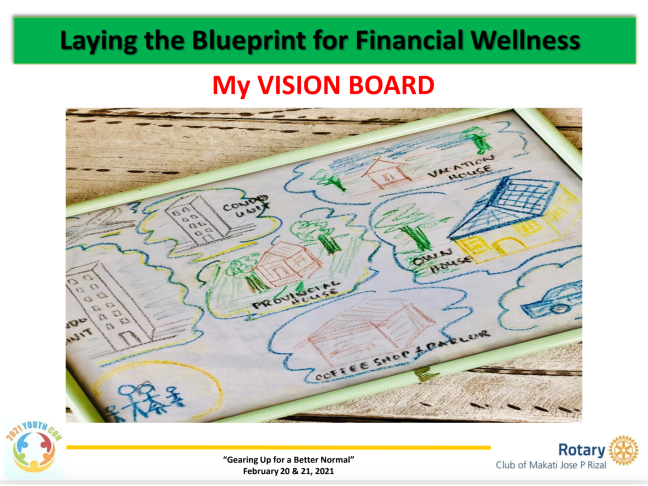
Laying the Blueprint for Financial Wellness

I was recently invited to share my thoughts with almost 400 delegates of the 1st Virtual Youth Congress organised by the Rotary Club of Makati Jose P Rizal. It was a mutually meaningful talk based on the feedback of the very engaged attendees and at my end, it was quite inspiring to do my own share of addressing the still prevalent “sandwich generations” among Filipinos.

I call it “sandwhich generation” when children take care of their ageing parents at retirement (because they have not prepared for it financially) while they take care of their obligation to their own family…thereby affecting also their capacity to prepare for their own retirement.

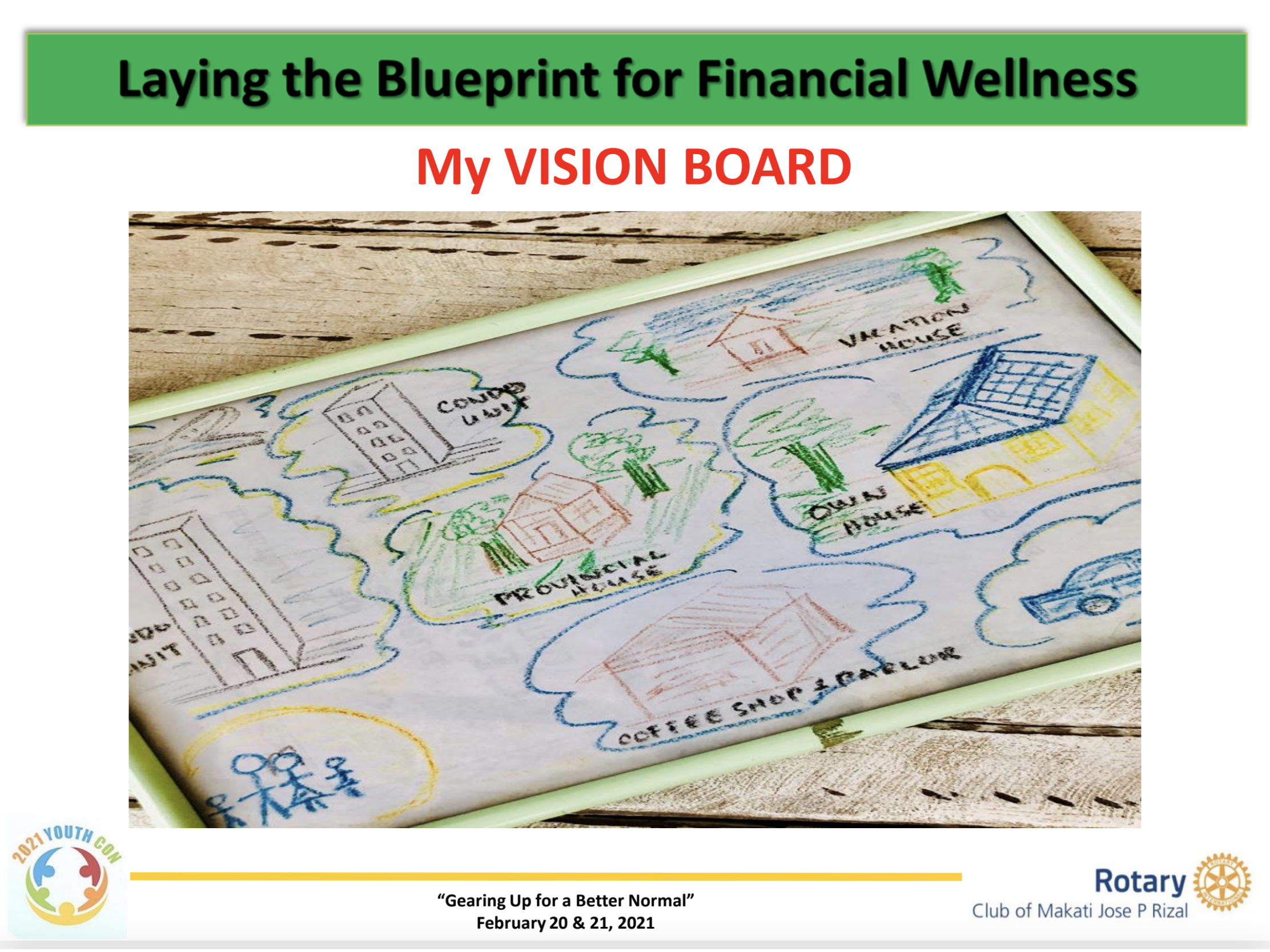
I shared with them my own vision board that I drew 22 years ago. It is a crude representation of the future that I then want but it has served as my guide and the basis for a more comprehensive financial plan that i diligently implement. I am happy to say that all except two goals (we were only blessed with one child and at my age, I can’t bear another one (sigh) and the brand of dream car that I now find impractical to buy).

My crude Vision Board reflecting the future that I want which I drew 22 years ago.

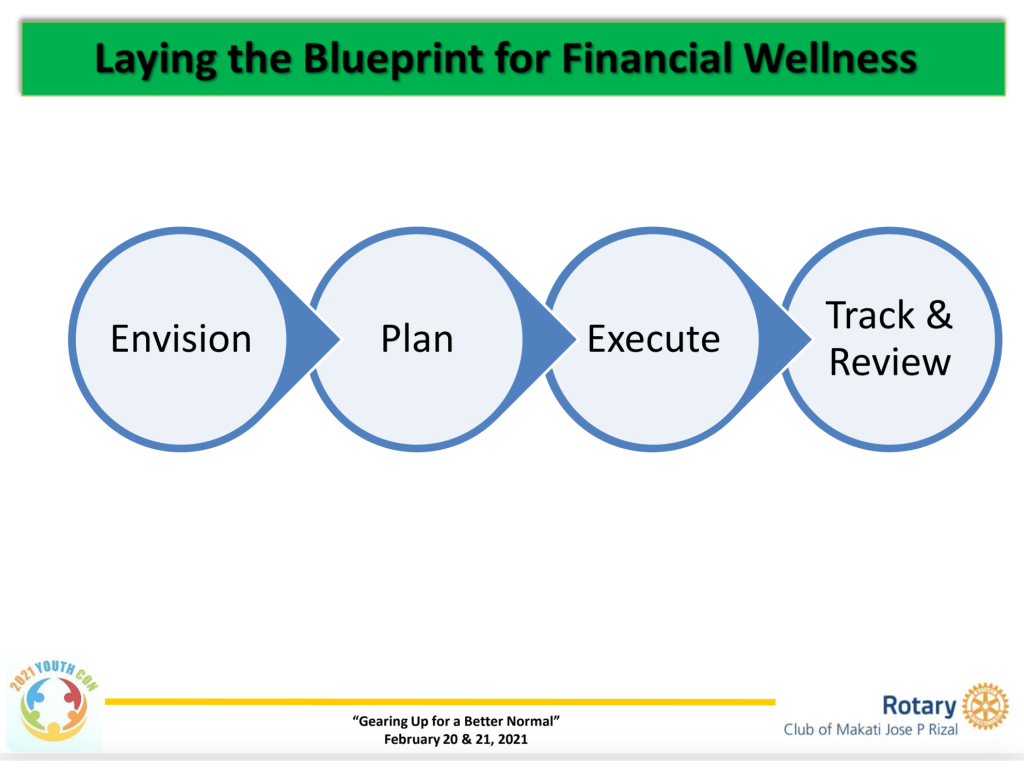
I outlined 4 steps as a guide in preparing one’s road map towards Financial Wellness:

  • Envision – Know what you want in every stage in your life. Visualise how the future looks like for you. Just the broad strokes.
  • Plan – Put a price tag to the future that you want. Once you know what you want, you can then determine how much fund you need to build-up between now and the time you need it. The key word is “build-up” which requires you to start early to take advantage of the time horizon where you can grow your money.
  • Execute – Start putting the elements of your Financial Plan. One thing we discovered about investing is that people generally have a mismatch of their goals and the investment vehicle they use. For example, a young couple wants to start early in setting up the college education plan for their 2-year old child and yet, they put their money in a savings account with little or negligible interest income. A basic principle in investing is that you can take more risks (ie invest in an equity fund that may be more volatile) if you have a longer time horizon.
  • Track and Review – Our goals and aspirations change so it is important to track and review where we are so far and make the necessary adjustments while we still have time.

I closed by reminding the delegates that their youth is their main advantage and they must not waste it by starting early and making the right choices.

This thing they call Plantherapy

A garden is a grand teacher. It teaches patience and careful watchfulness; it teaches industry and thrift; above all it teaches entire trust. — Gertrude Jekyll (2011) ‘Wood and Garden: Notes and Thoughts, Practical and Critical, of a Working Amateur’ Cambridge University Press

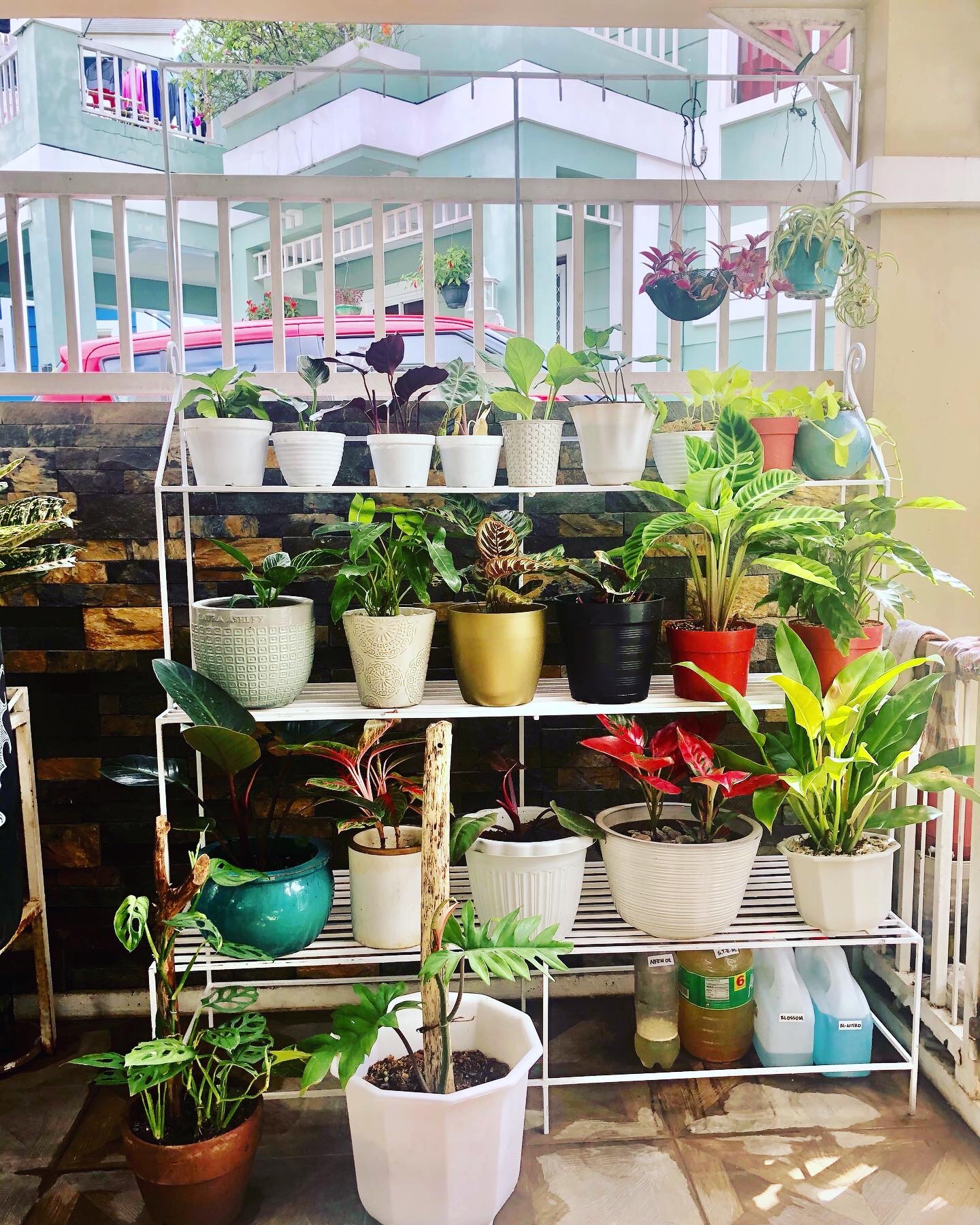
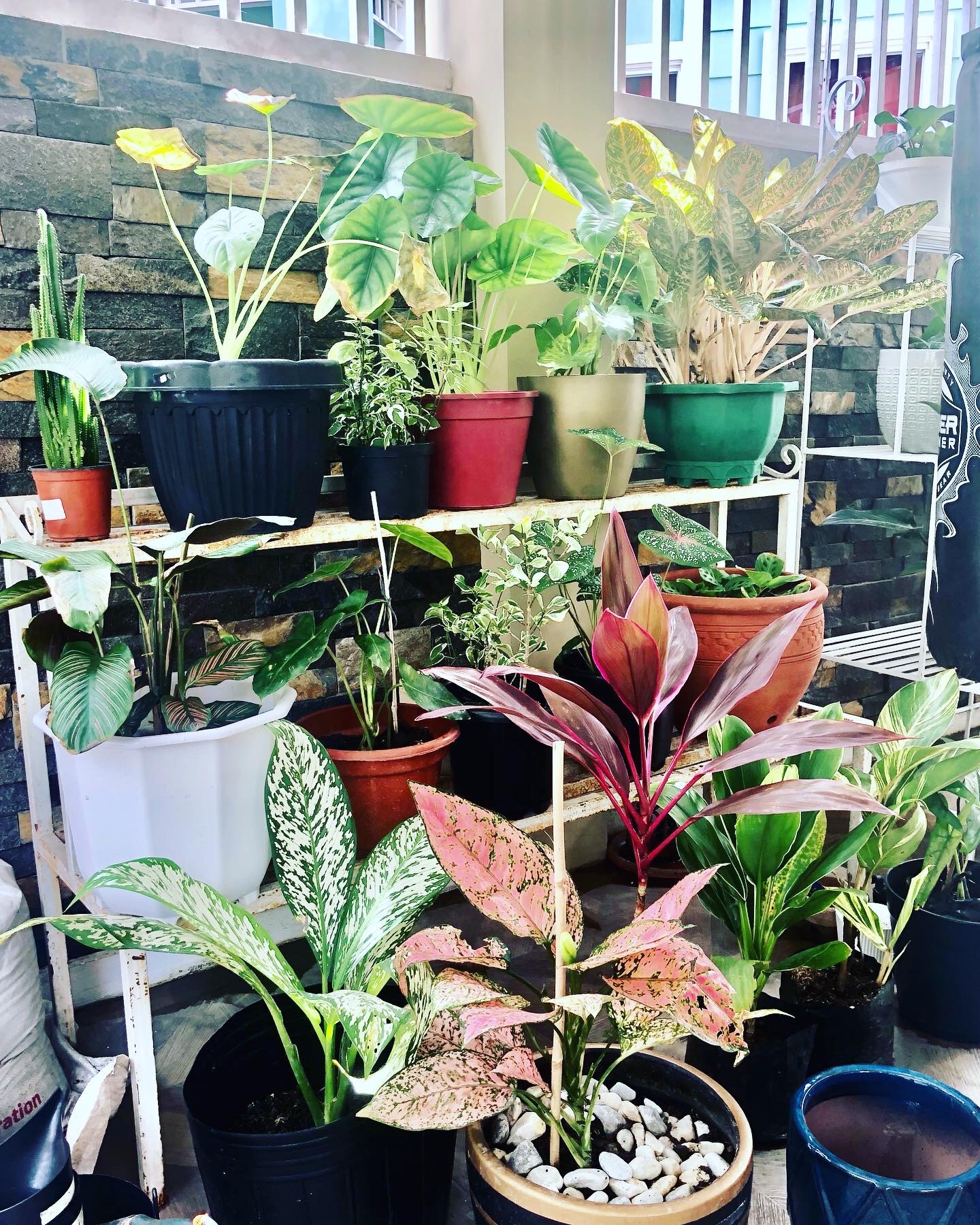
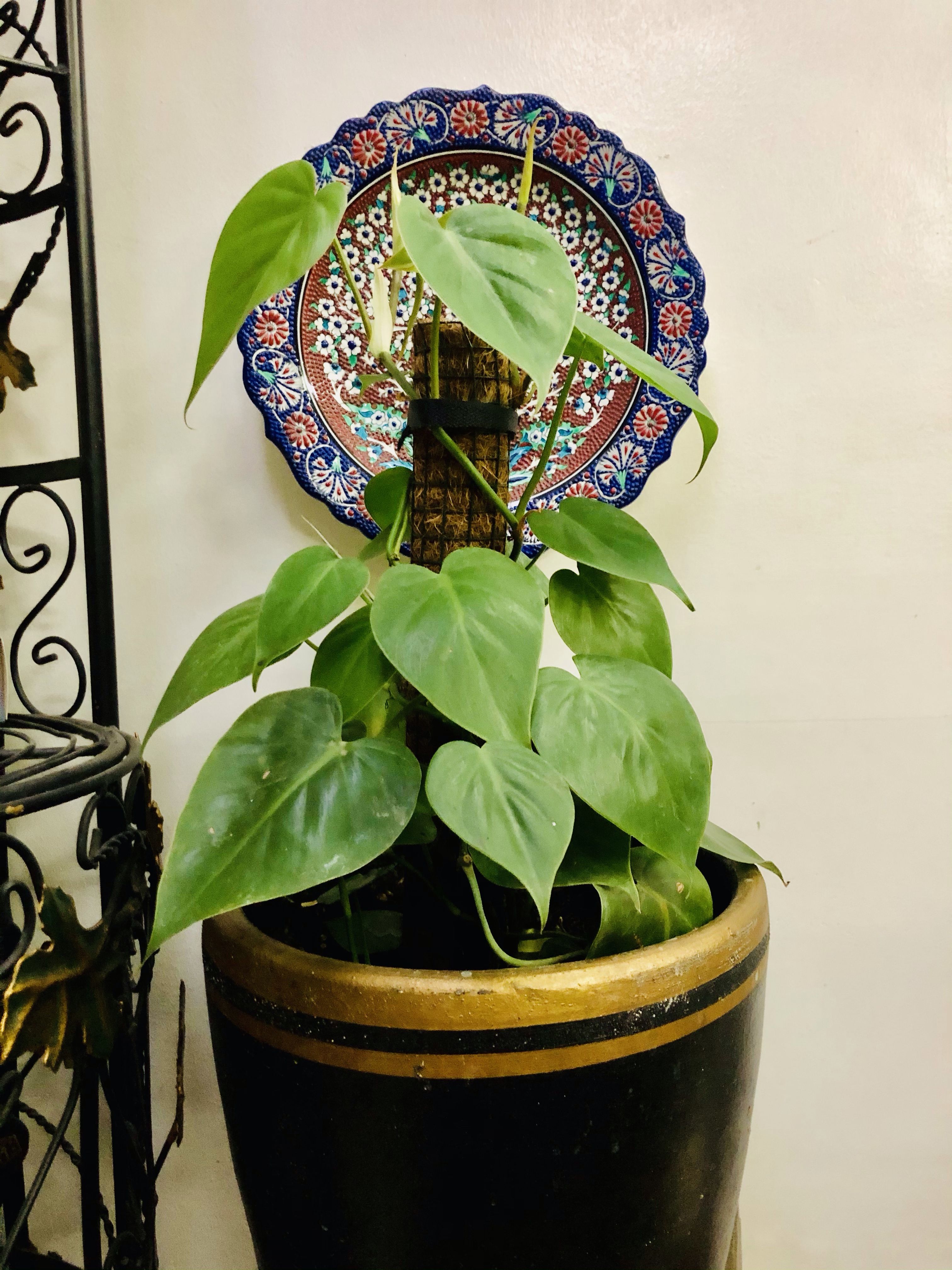
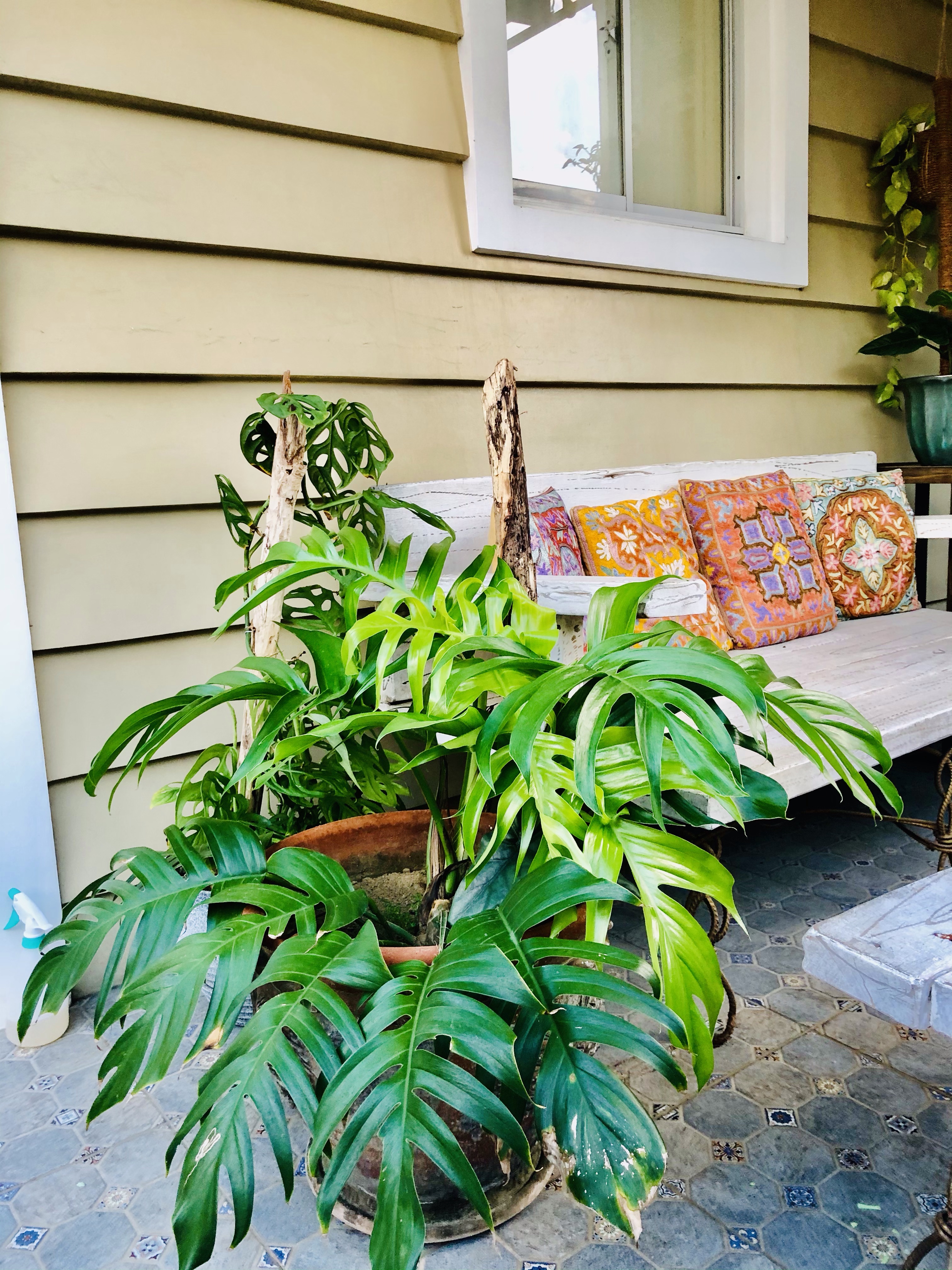
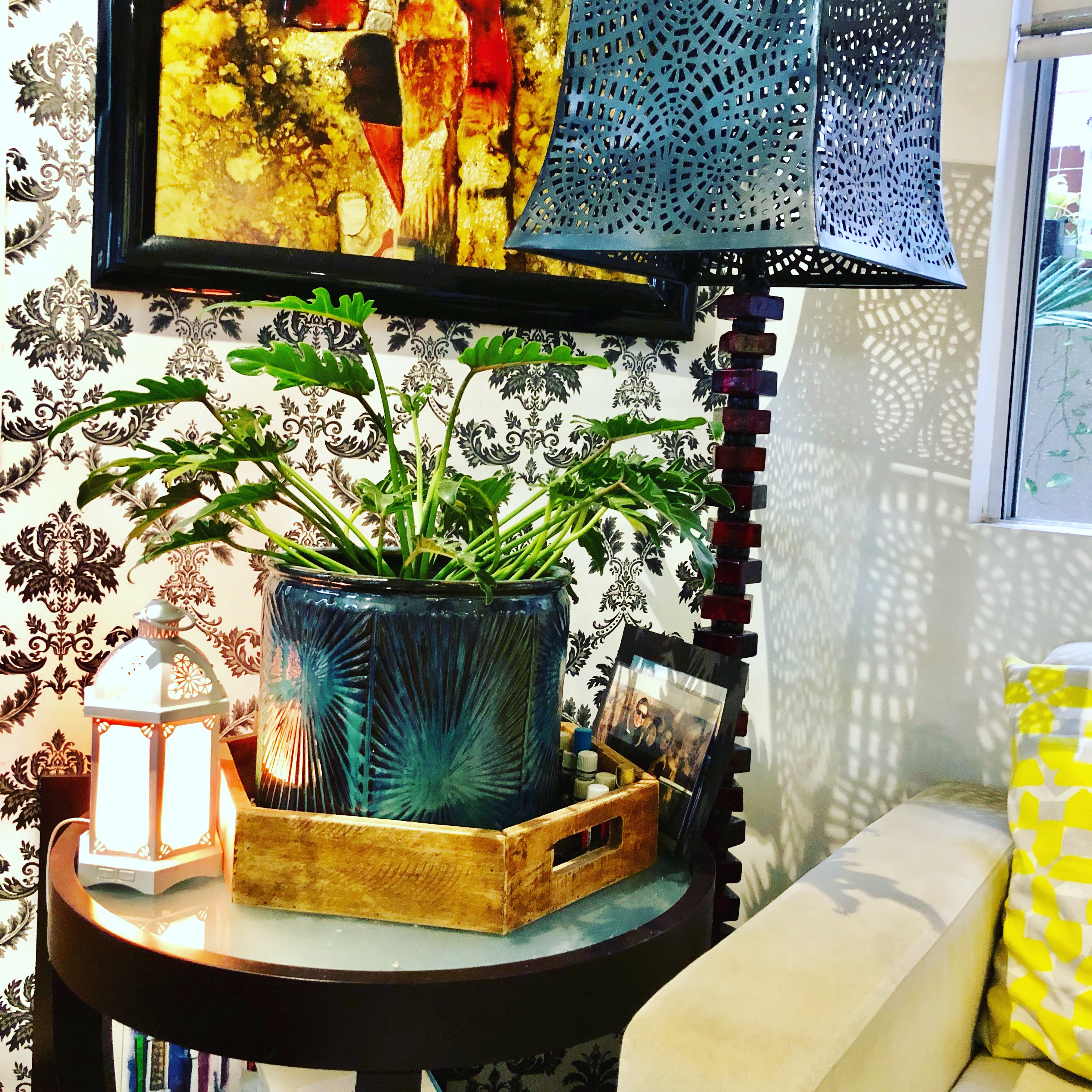
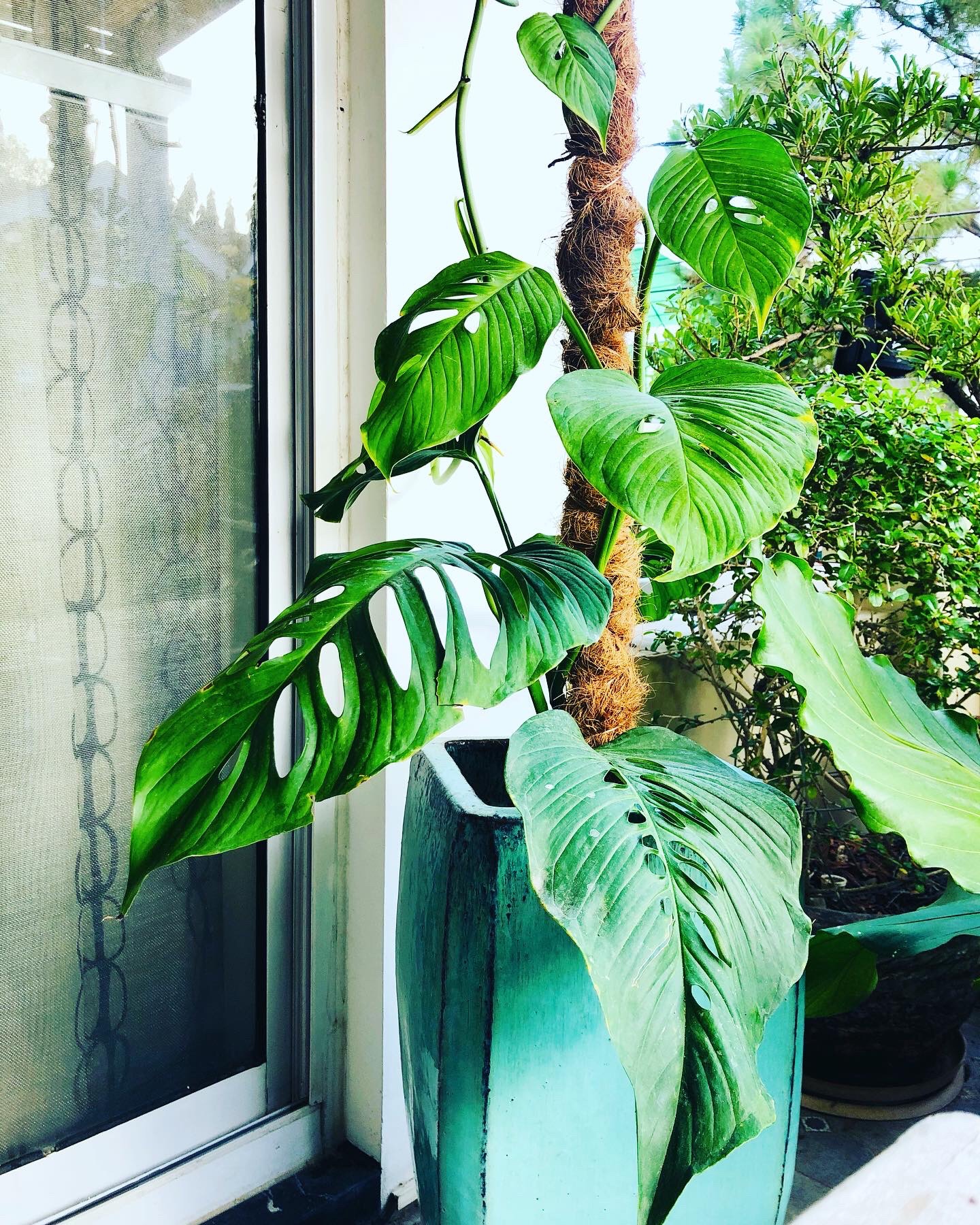
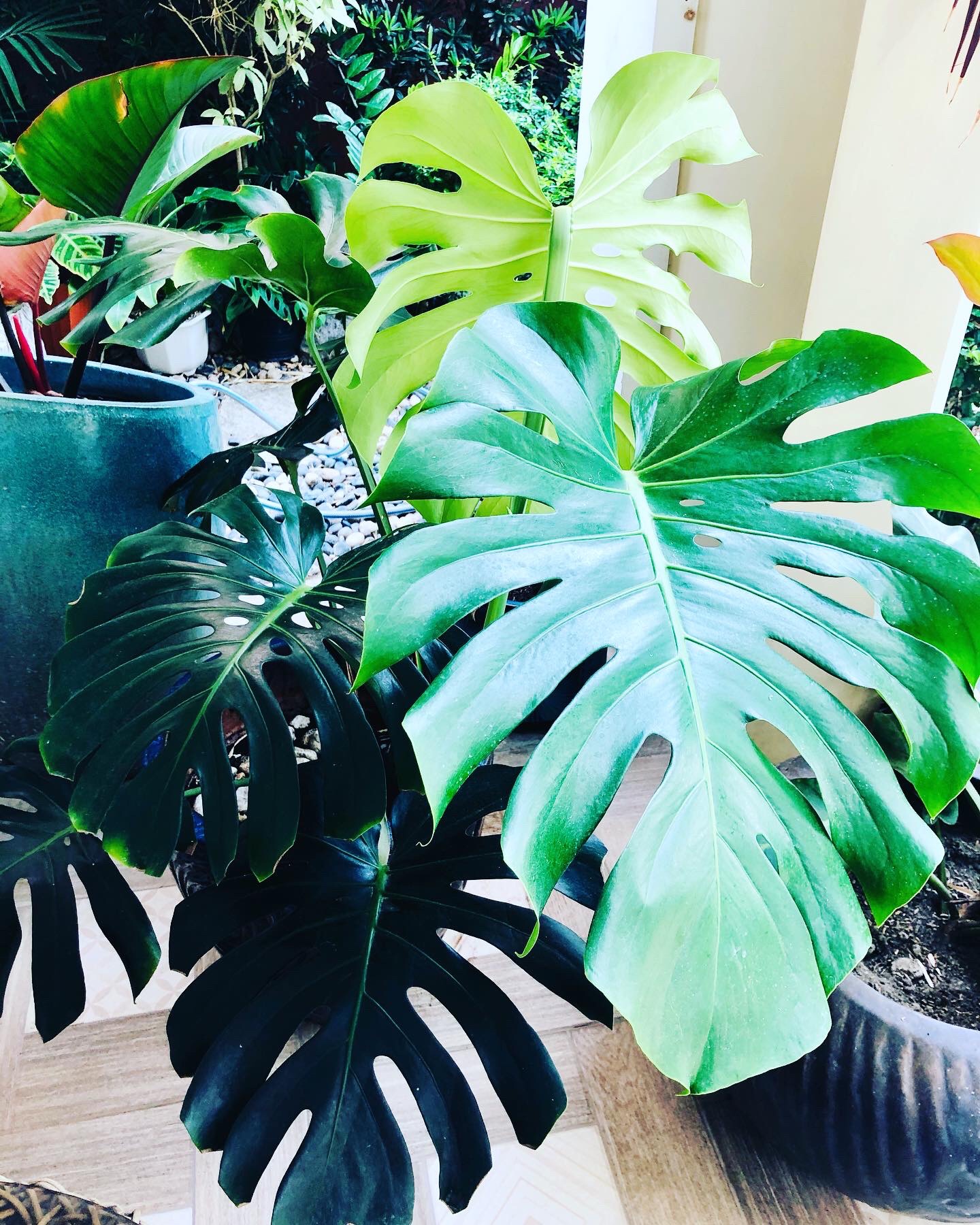
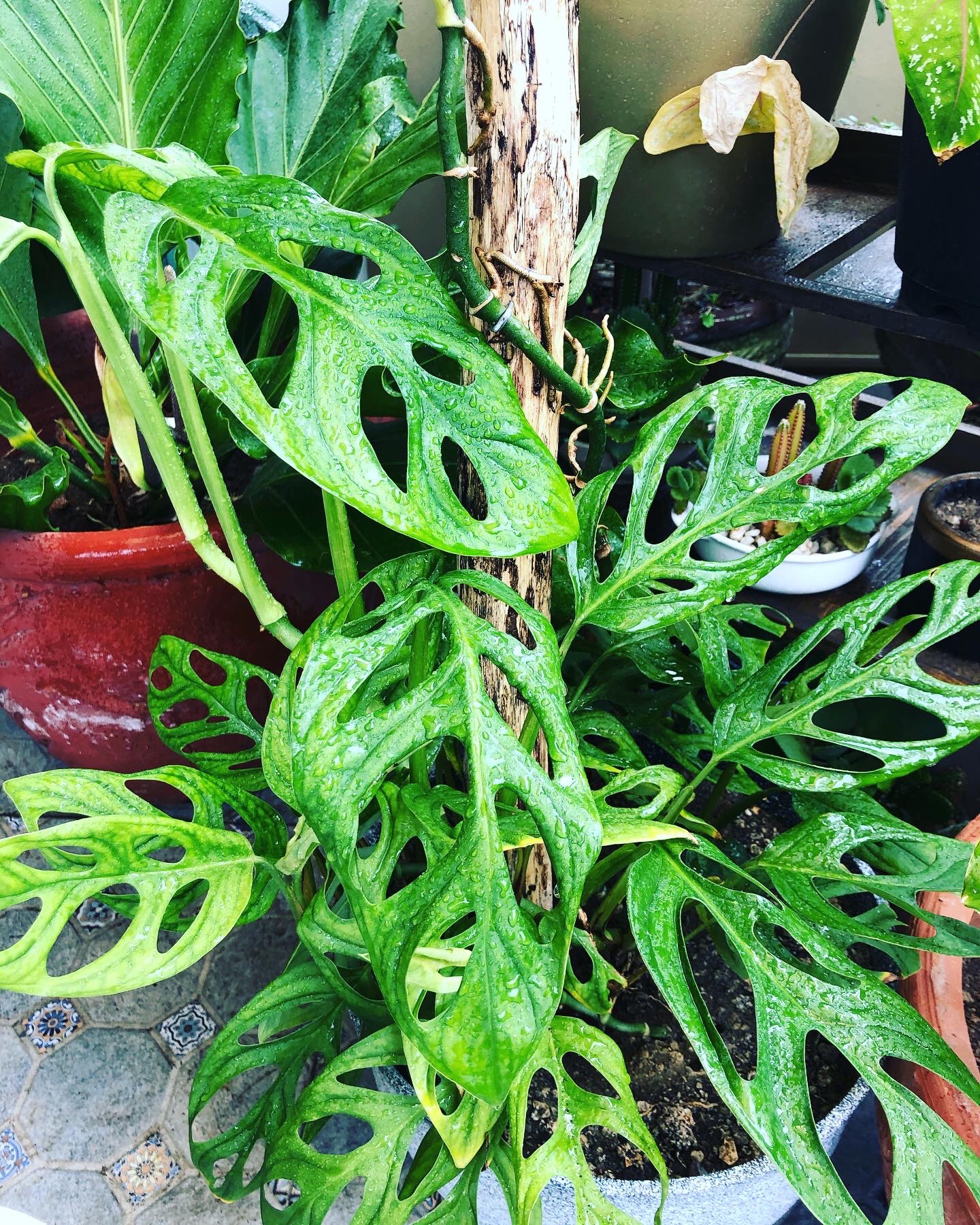
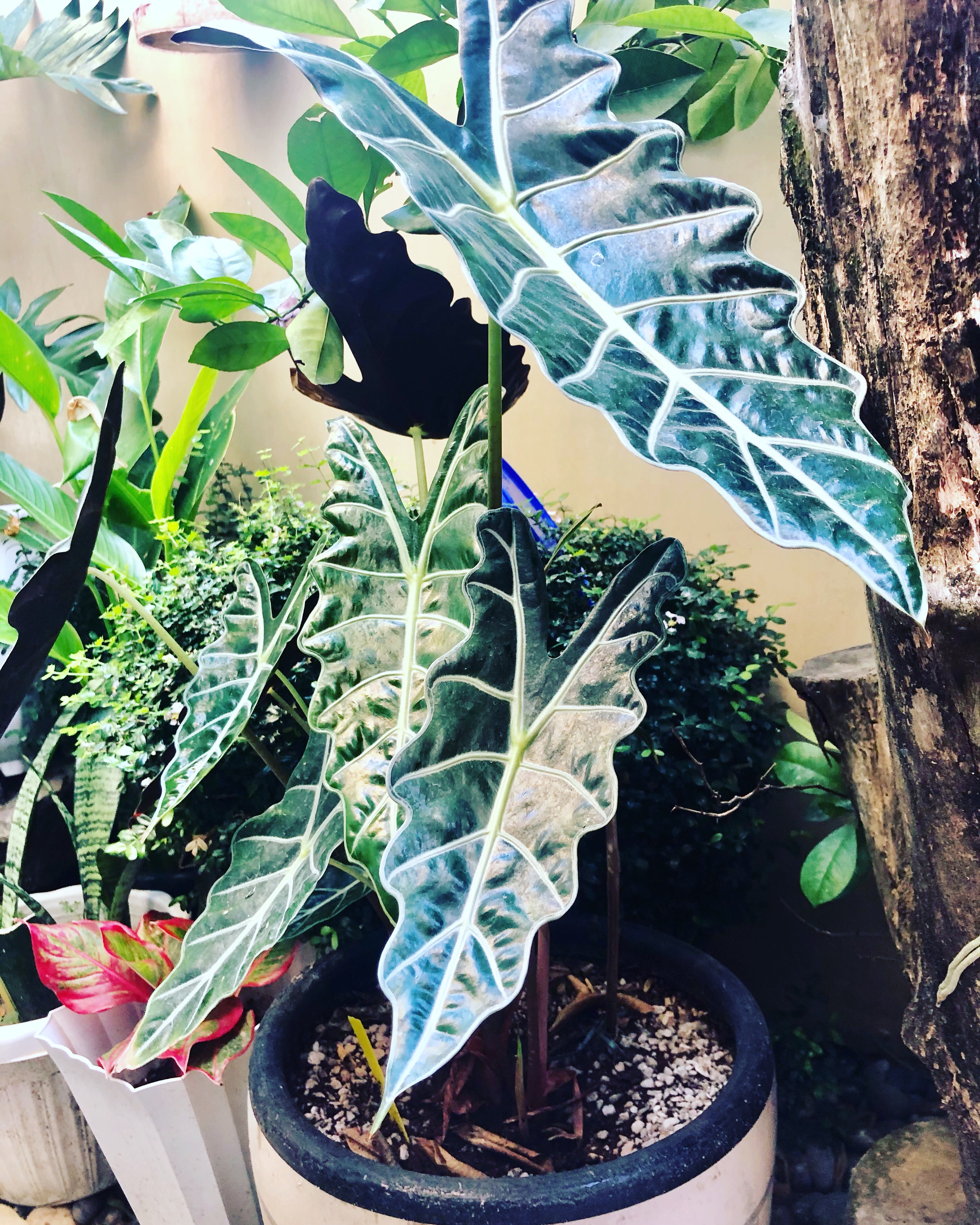
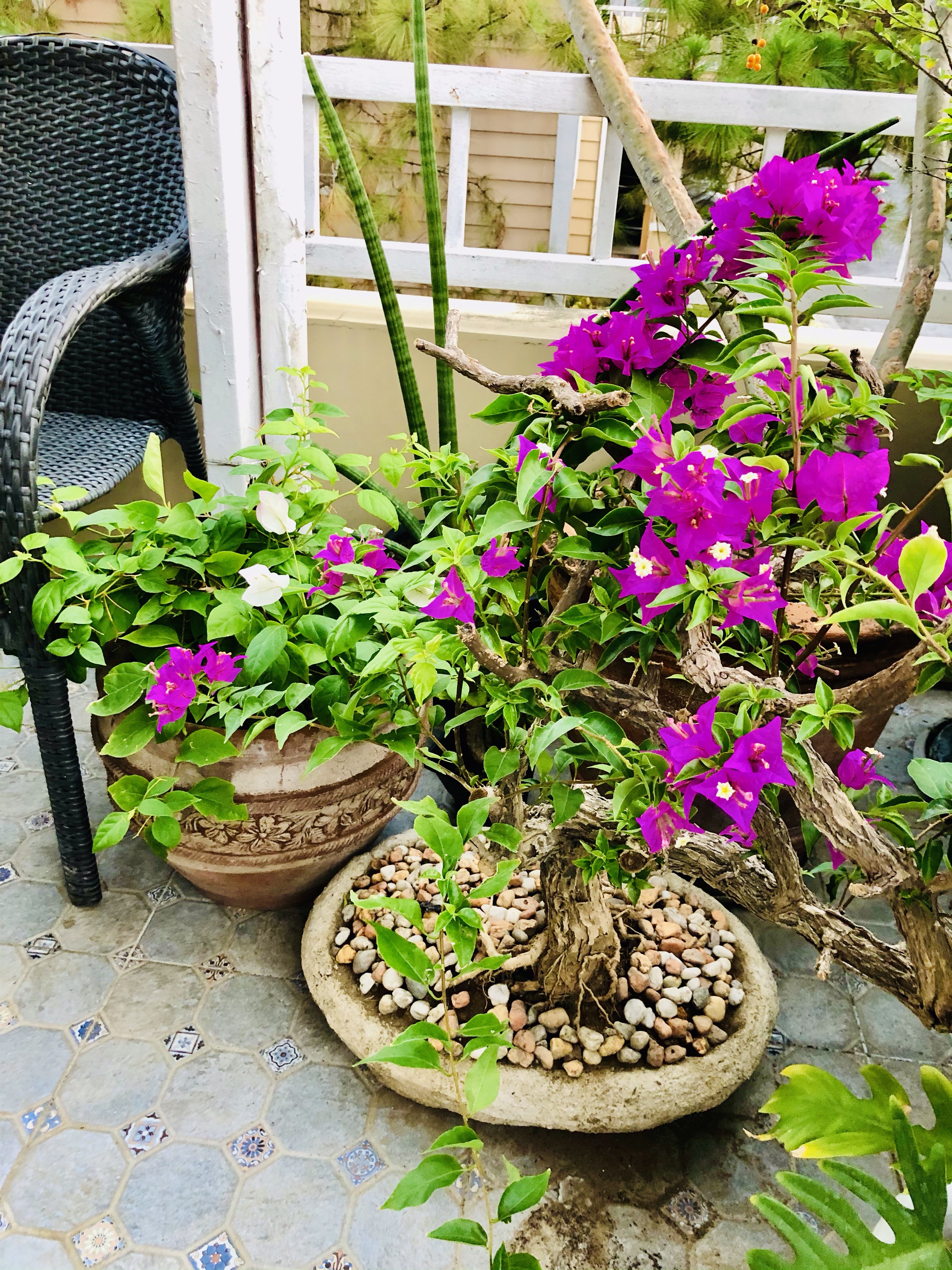
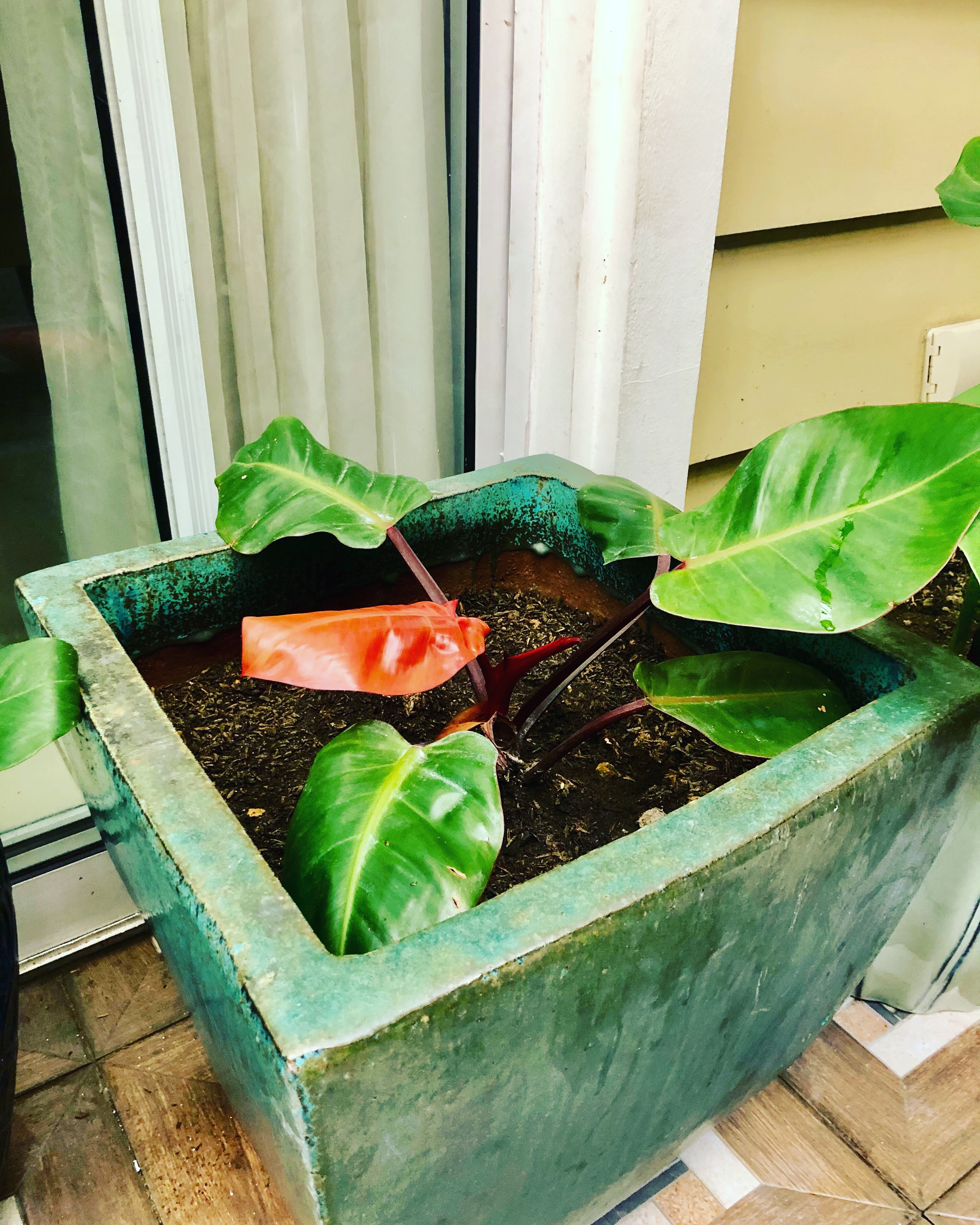
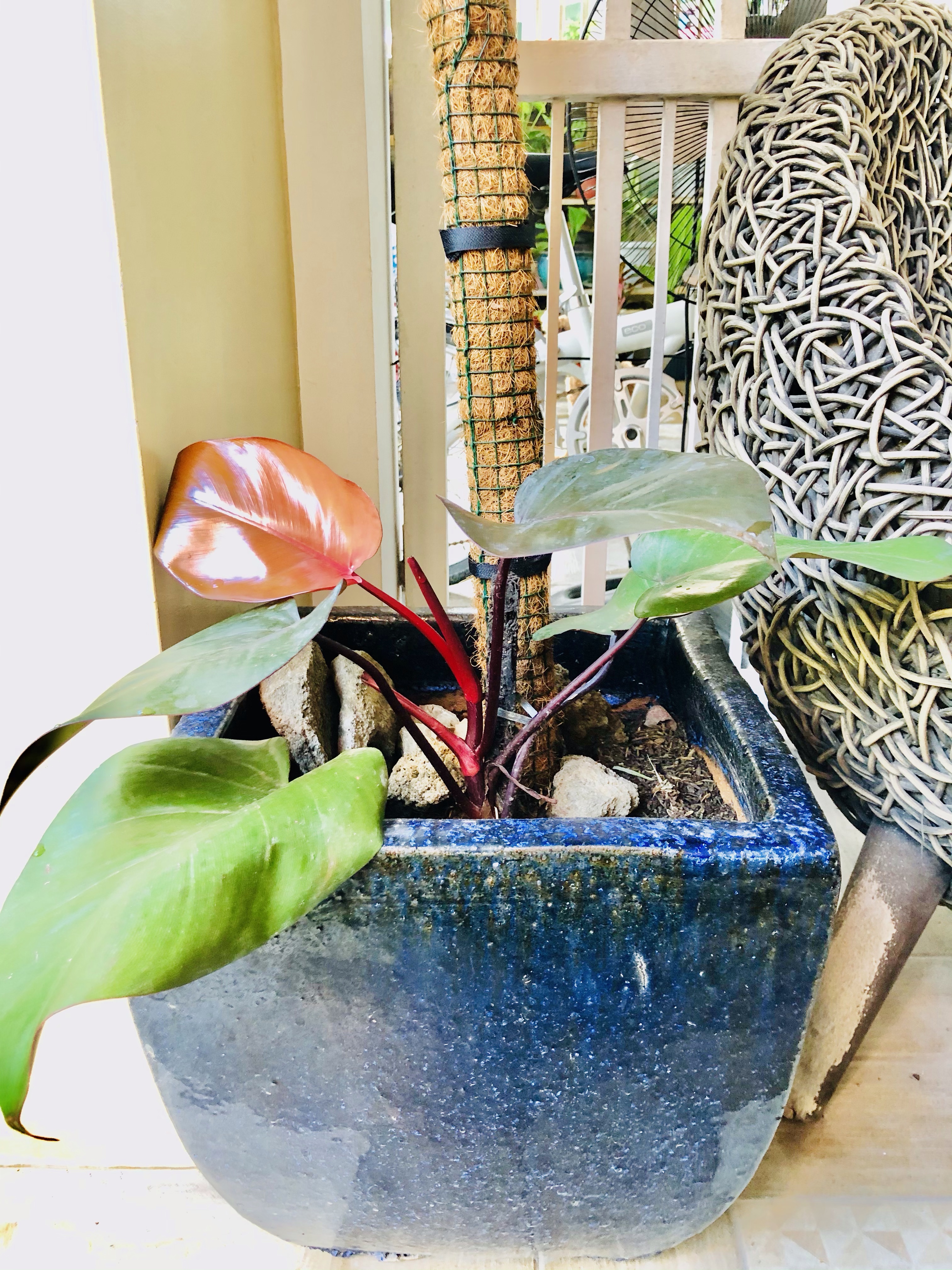
I joined the plant craze at the start of the pandemic quarantines last year to have something to do in the weekends and give me some diversion from the work-from-home set-up. As a self-confessed shopaholic, it did fill the void of not being able to go to my favourite retail shops.

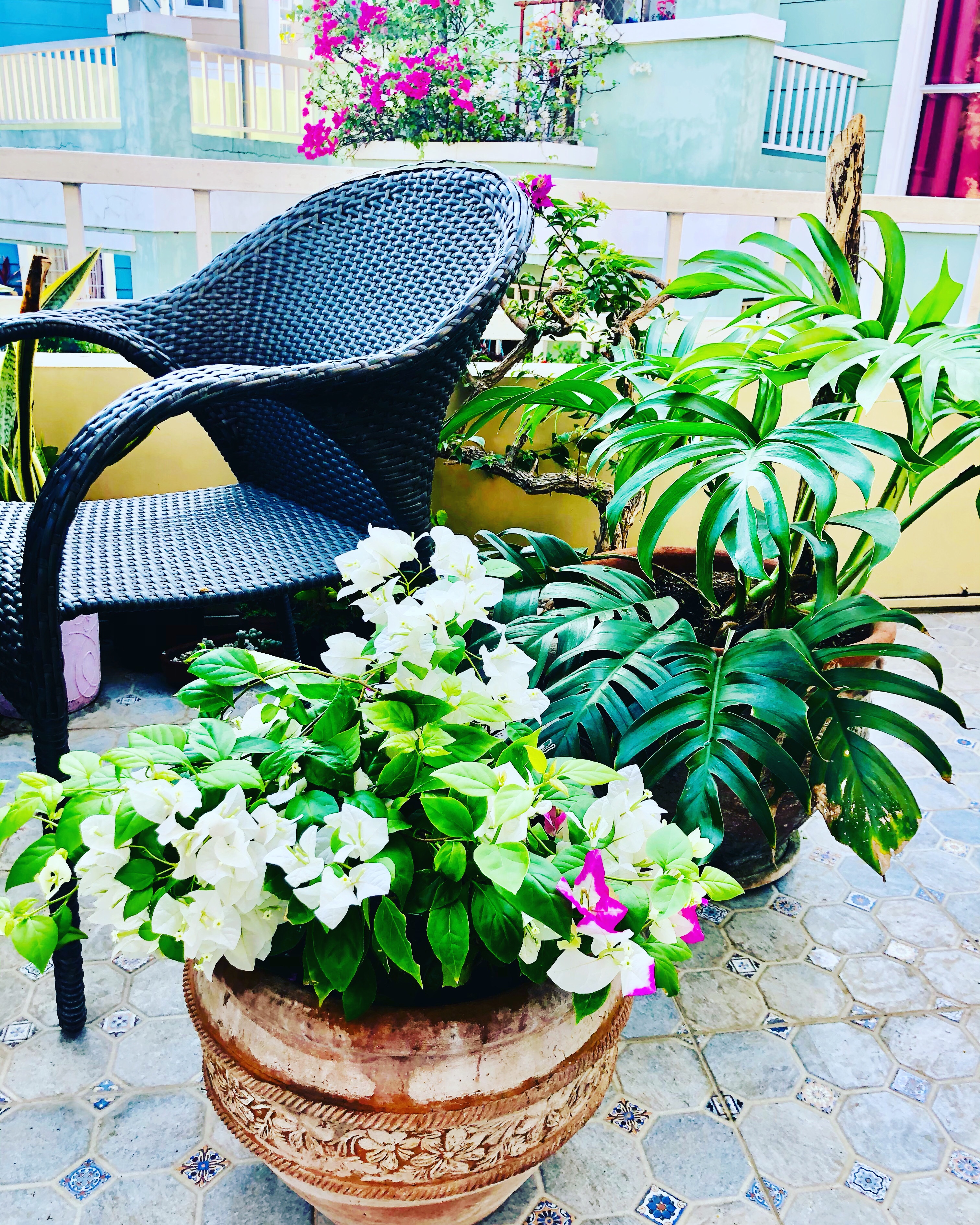
This home garden has gotten so much attention from me in the past year than it has ever got in almost a decade it existed.

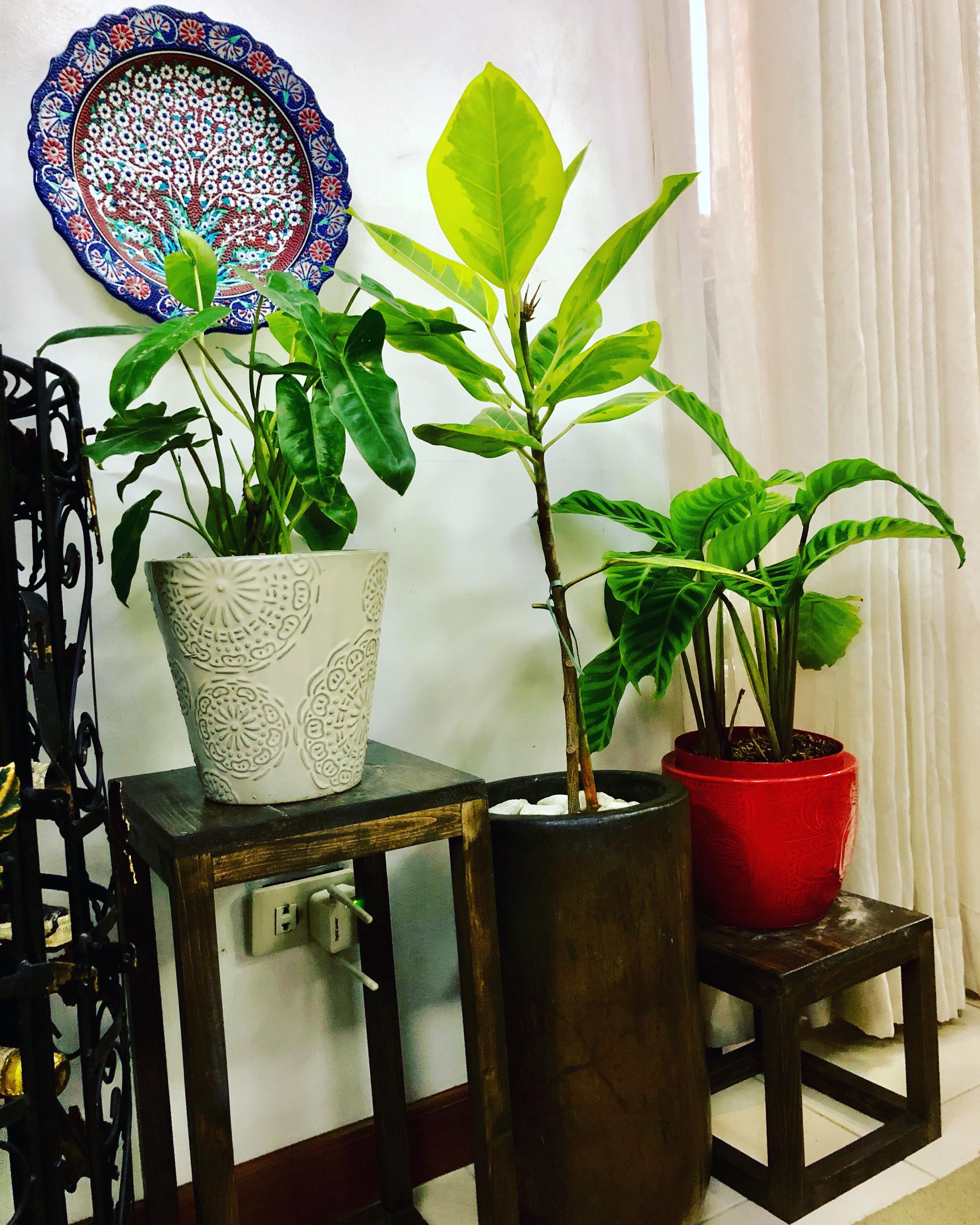
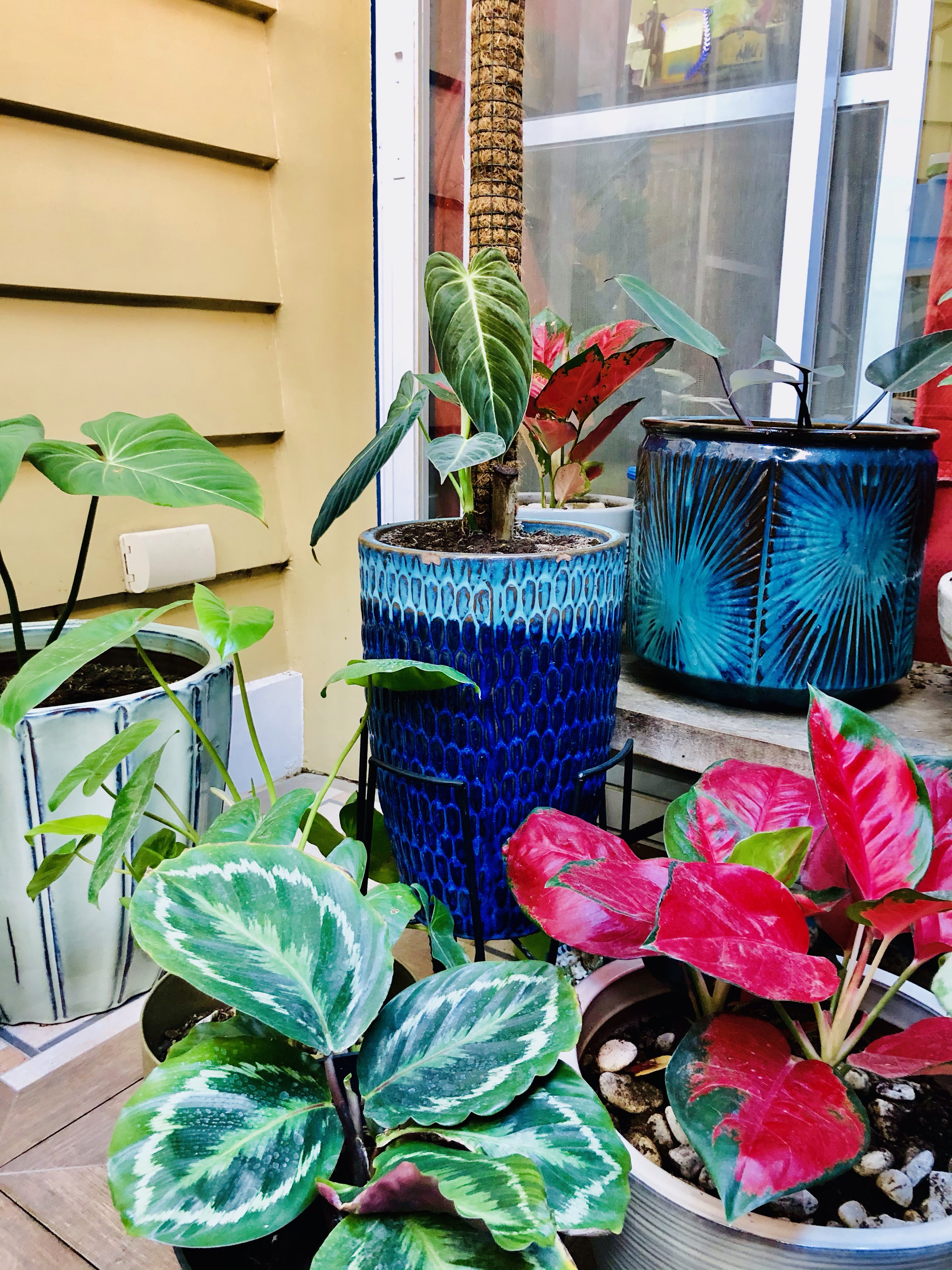
I do have a little garden in our modest home and a few potted plants but after a year of potting and re-potting and weekly trips to nearby gardens, every corner of our home has plants and our garage has turned into my plant showroom. Now, trips to nearby provinces for staycations are not complete without a visit to gardens and every time, we go home with the good company of plants that fill every available space in our car.

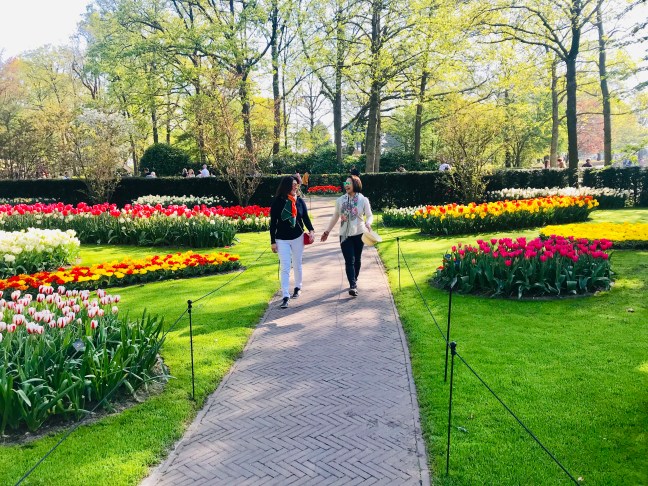
In the article Is Plant Therapy a Real Thing, author Patricia Marie Cordero Irizarry shares the study of The American Horticulture Therapy Association (AHTA) that traces plant therapy’s roots to ancient Egyptian times where garden walks were prescribed by doctors for those suffering from mental disturbances. We have read many books and articles on beautiful medieval gardens and many researches found that the healing benefits of gardens date back to 2000 B.C. Read more https://www.womeninagscience.org/post/is-plant-therapy-a-real-thing

Monthly Agriculture shares the research of Dan Buettner who found a common hobby among Japan’s centenarians: gardening. The same article refers to the Harvard University study that also found something common among people who live near greeneries- they tend to live longer given the lower possibility of cancer or respiratory illnesses. It further shares that in Scotland, doctors prescribe walking in nature to reduce blood pressure, anxiety, and to increase overall happiness. Read https://www.agriculture.com.ph/2020/07/25/gardening-a-hobby-thatll-help-you-live-longer/

My own personal experience is a testament to how my plants have become my de-stressors. The sight of new leaves give me joy and the new knowledge I have gained in tending to my “babies” is not only refreshing but insightful as well which can very much be applicable not only to my corporate work but also to life itself. For instance, I learned that plants can grow really big by putting them in big pots but you do not transfer a plant from a small pot directly to a big one as its roots will have a hard time growing. Instead, transfer it to a pot amount 2-4 inches bigger in diameter than the old pot until it outgrows it again. Isn’t that the same as human potential? A talent not given the environment to grow will not reach its full potential.

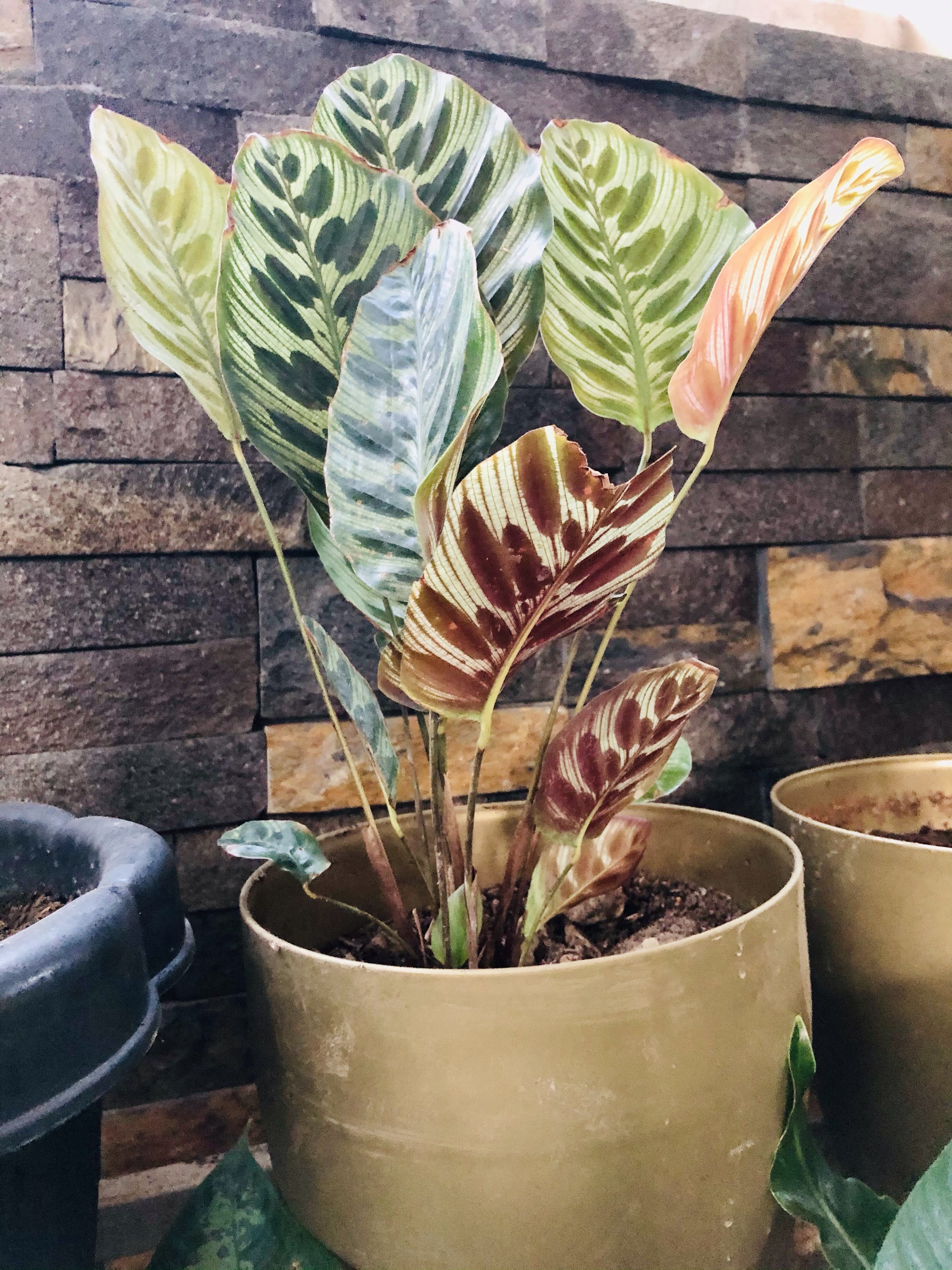
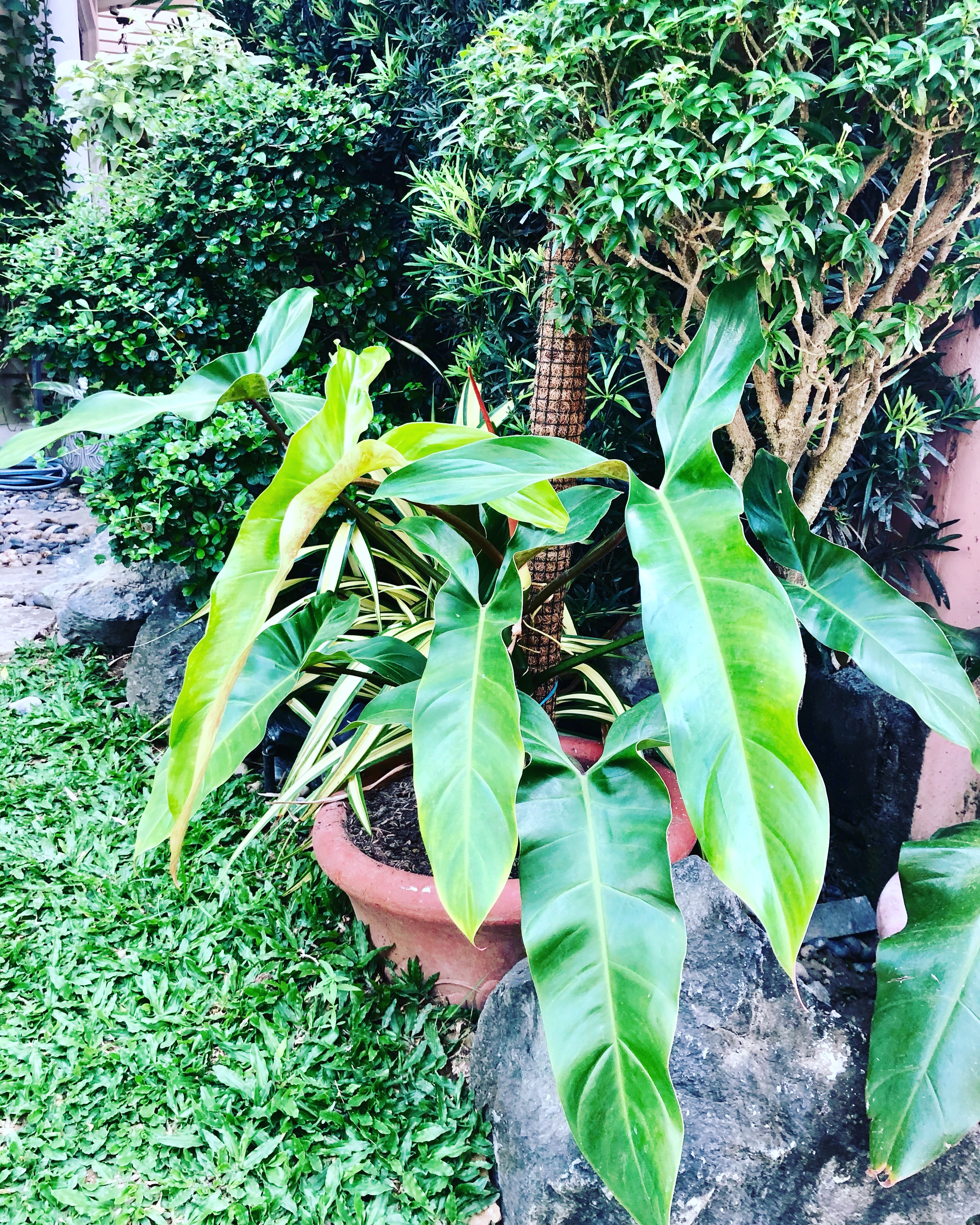
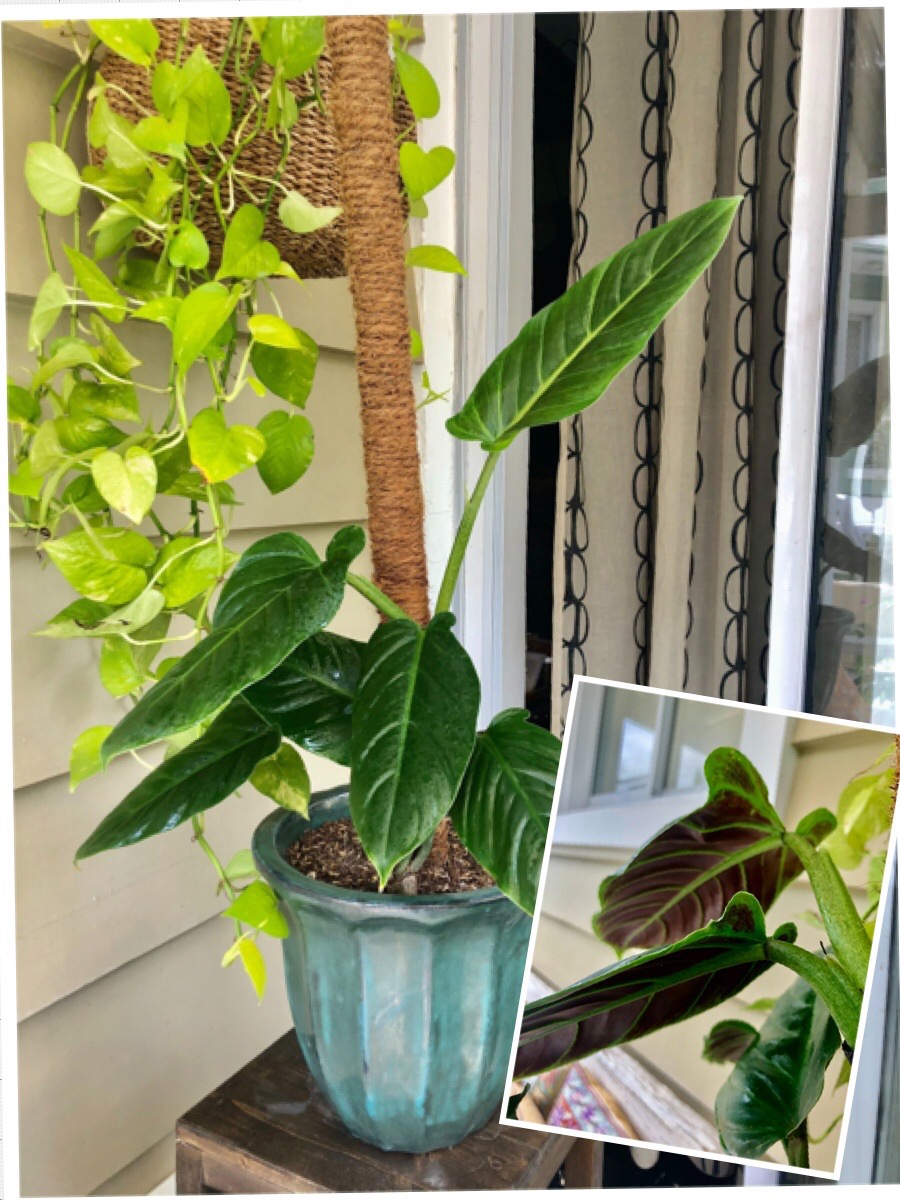
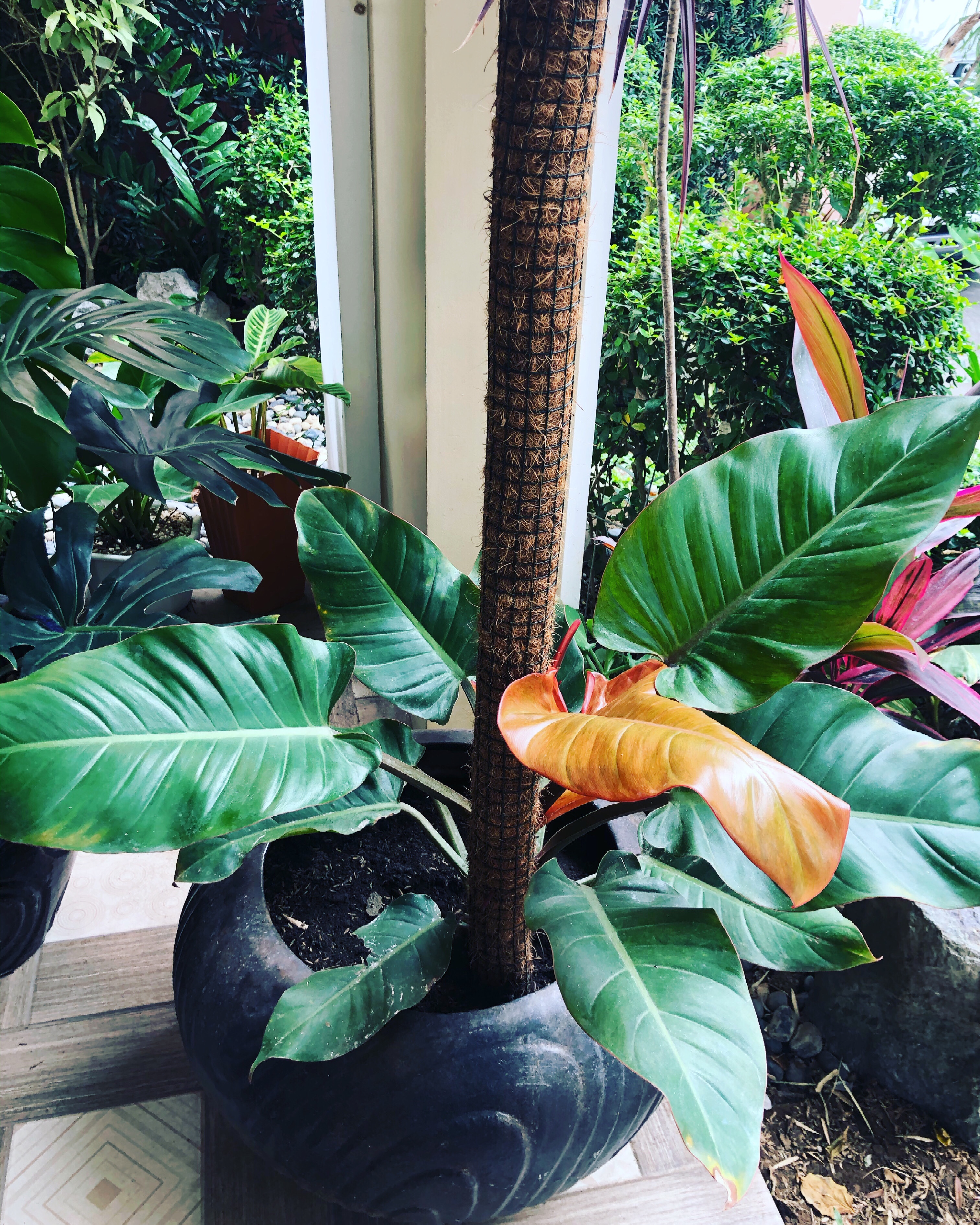
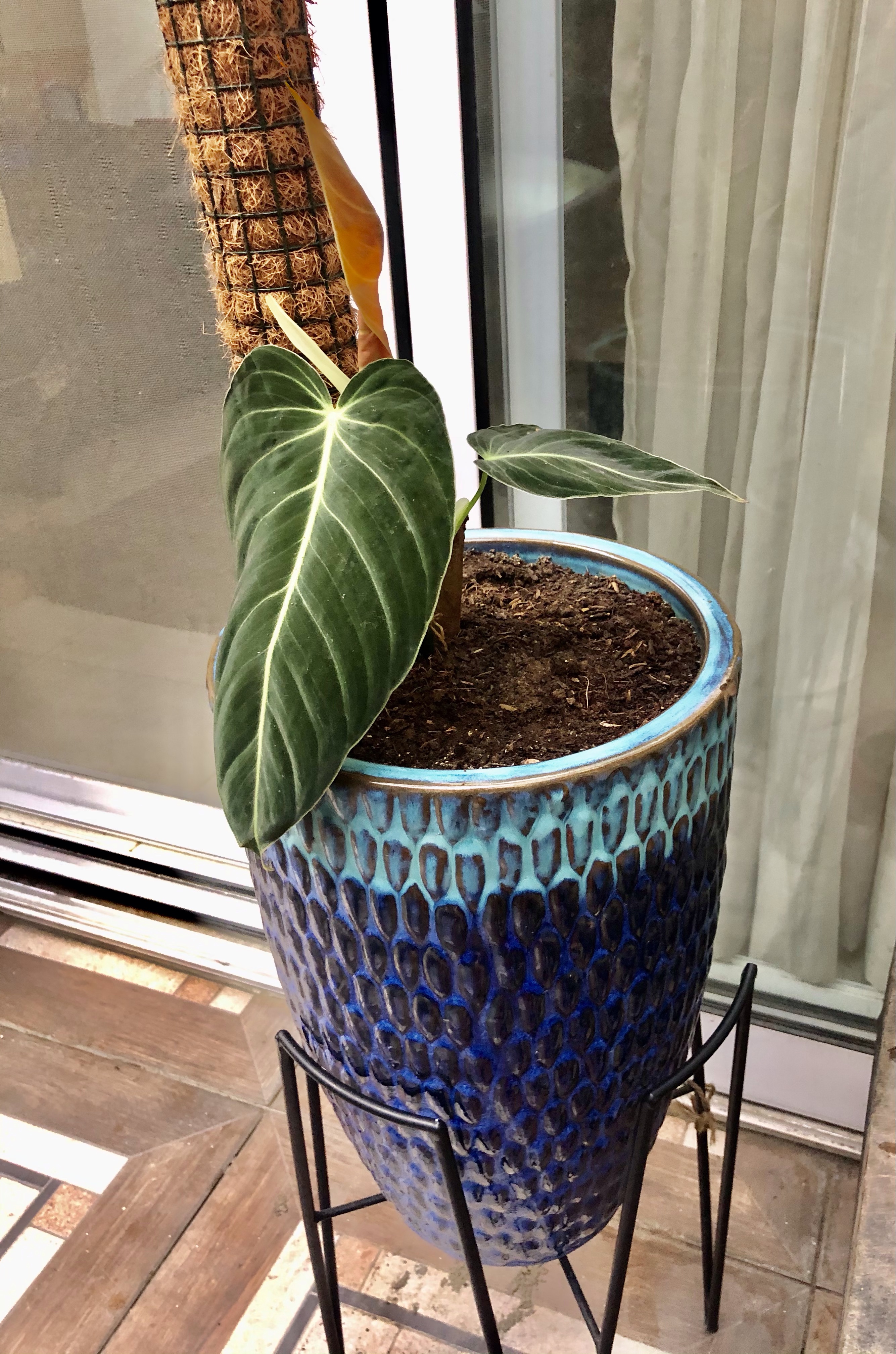
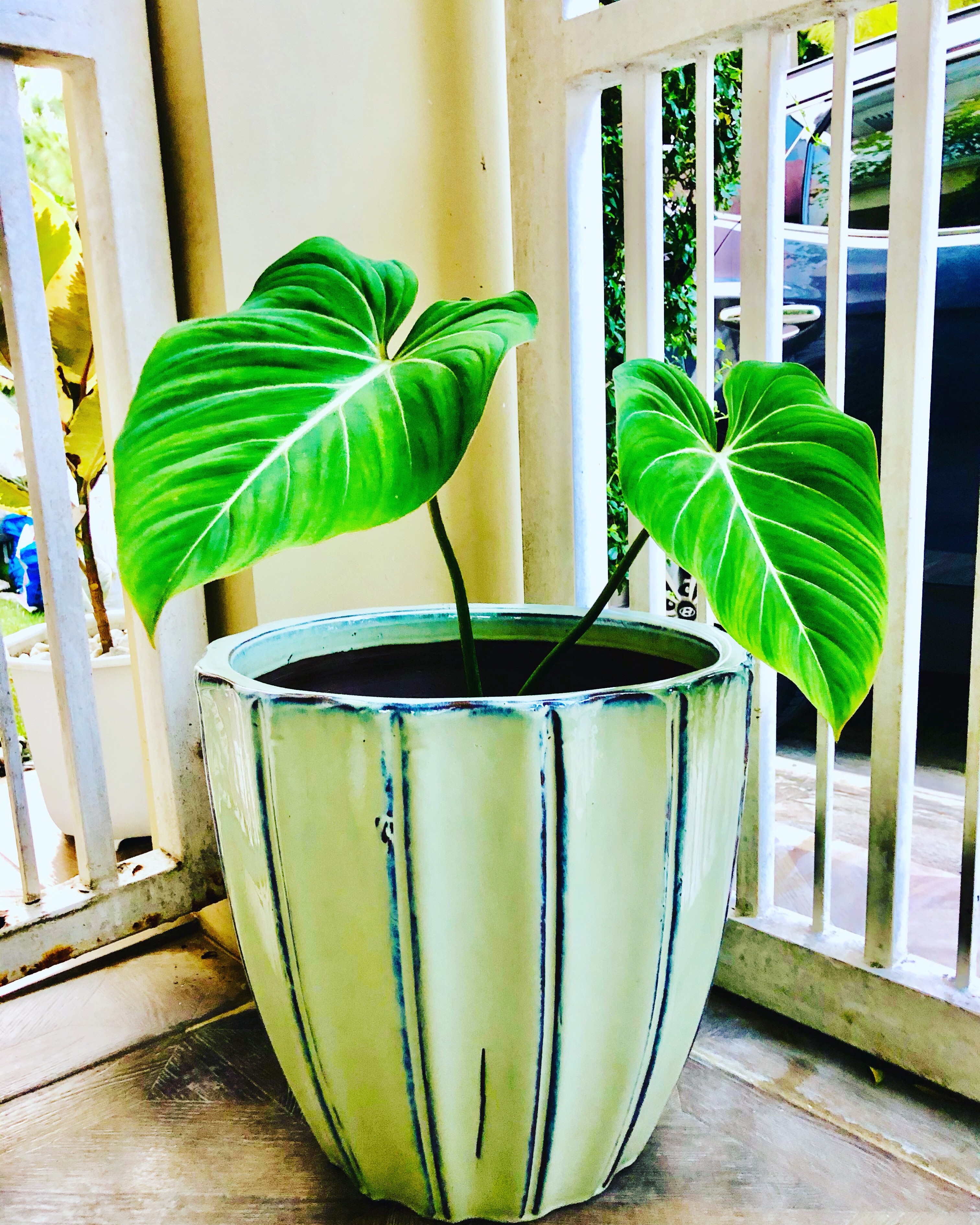
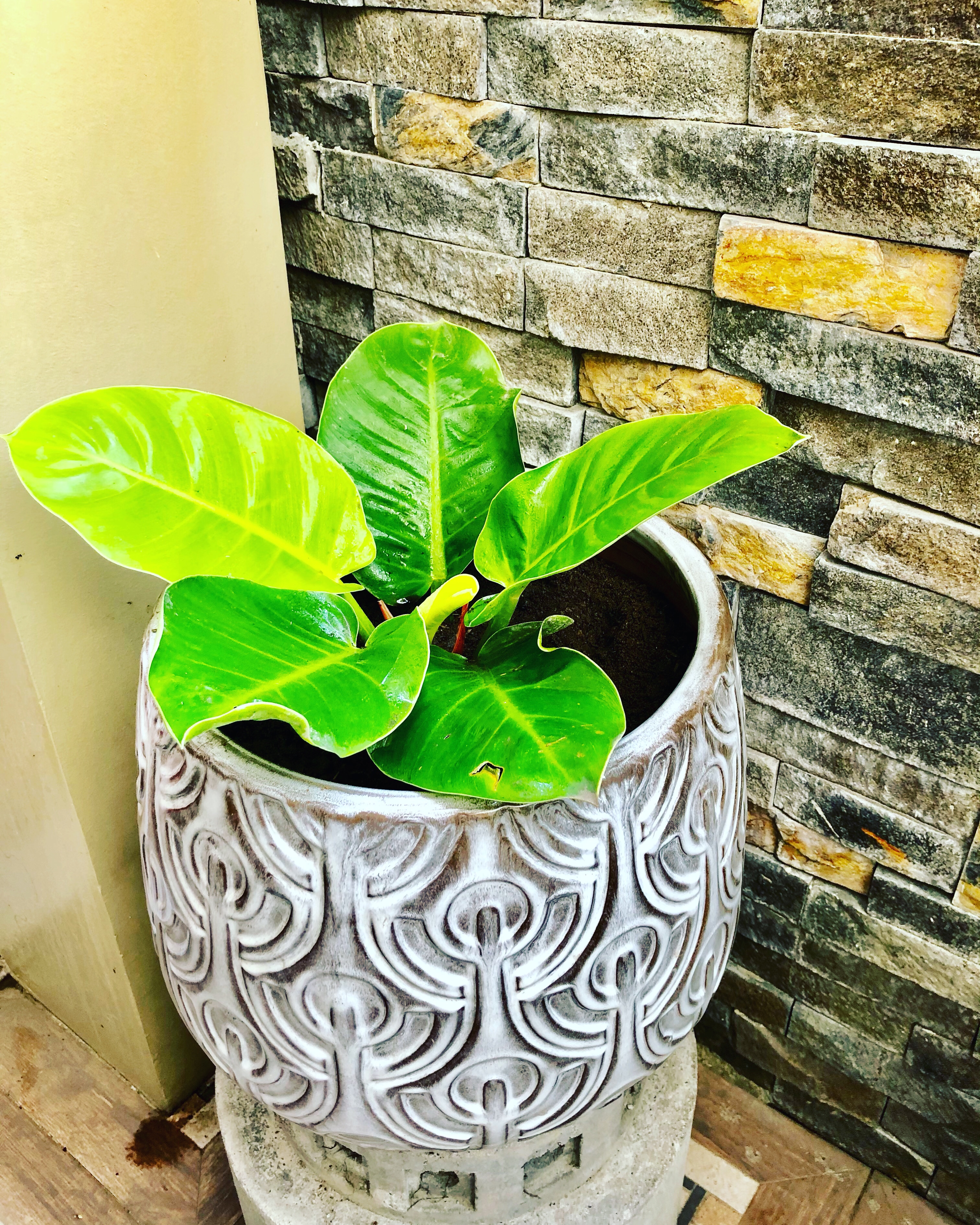
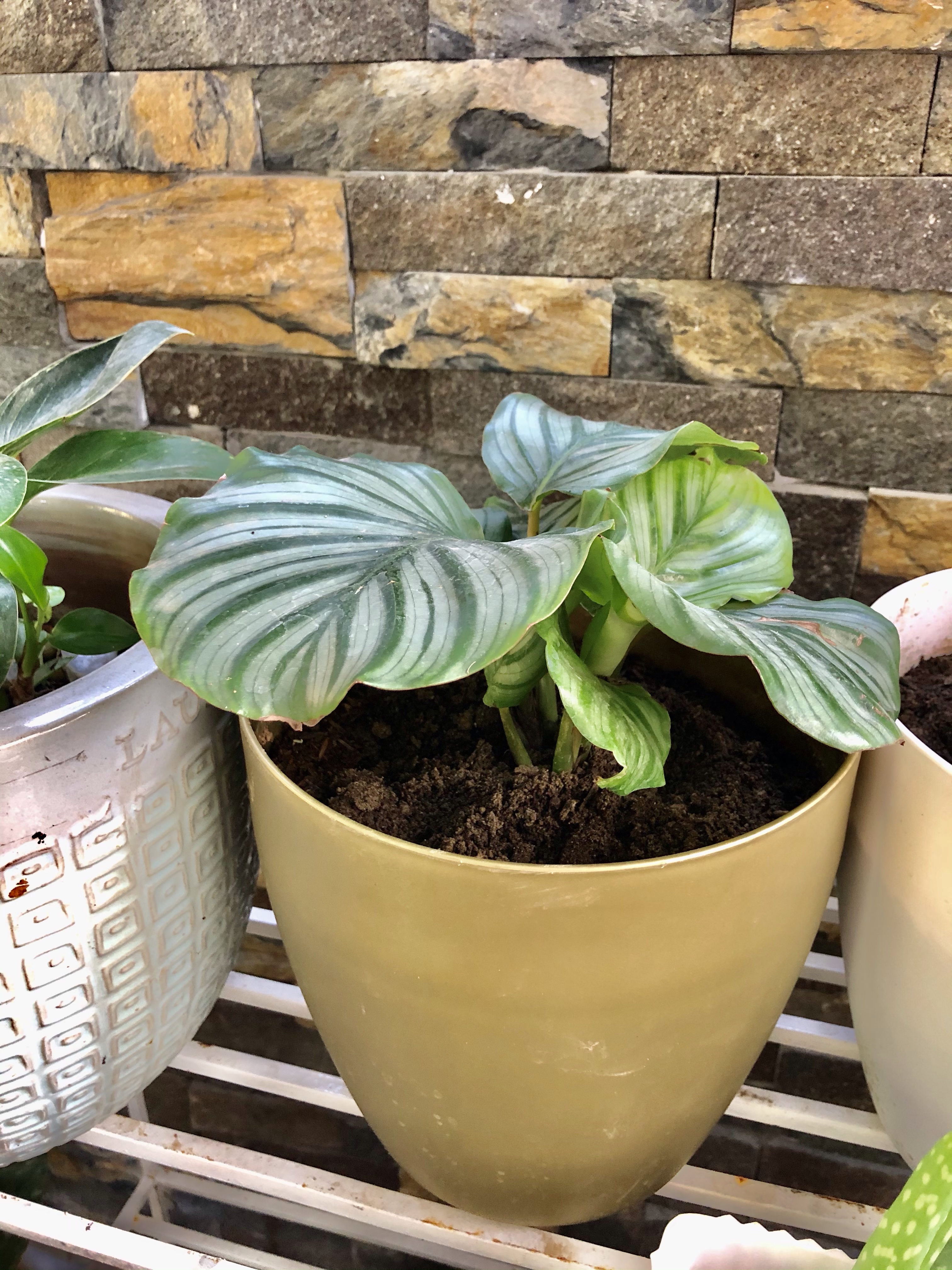
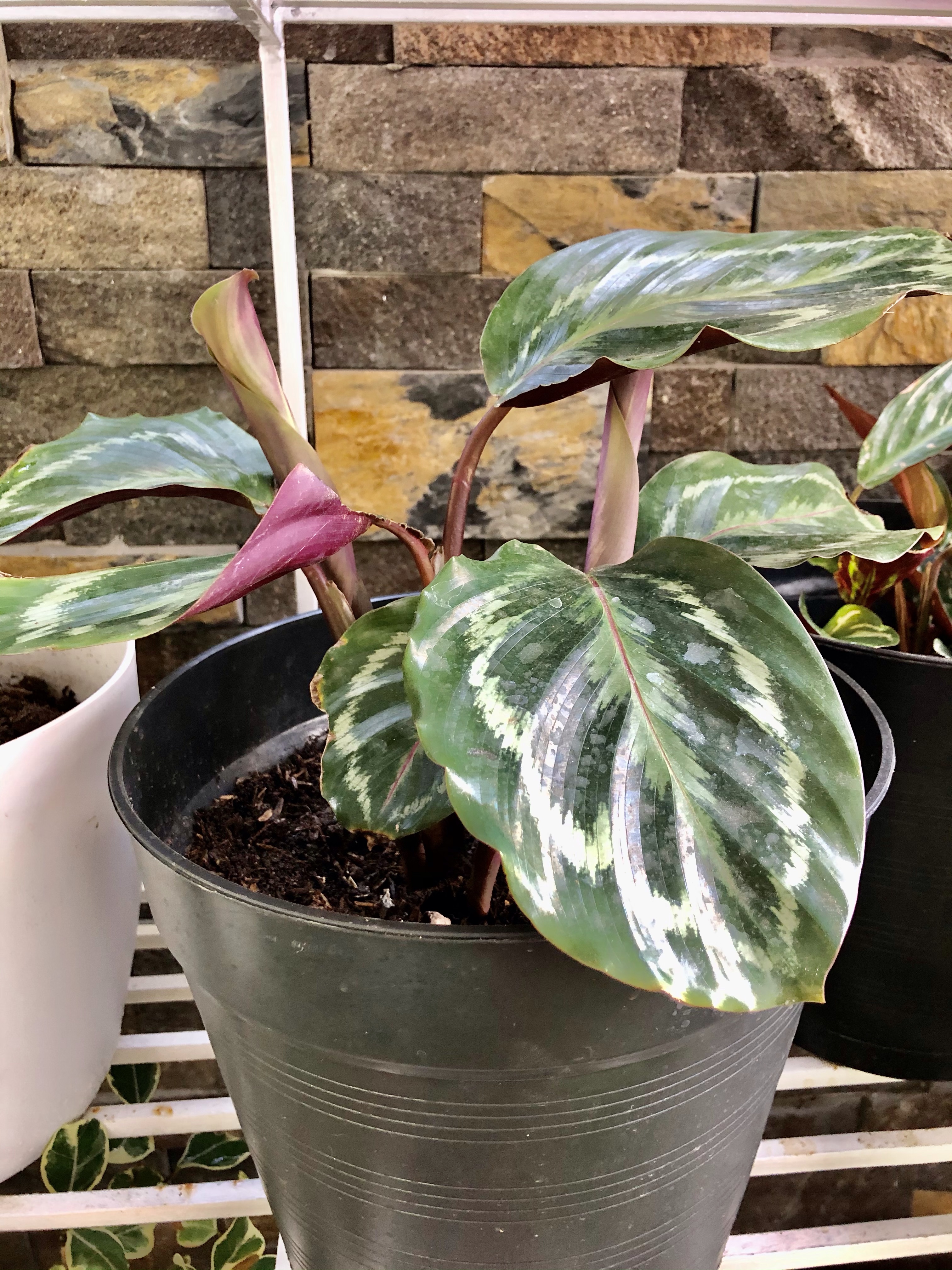
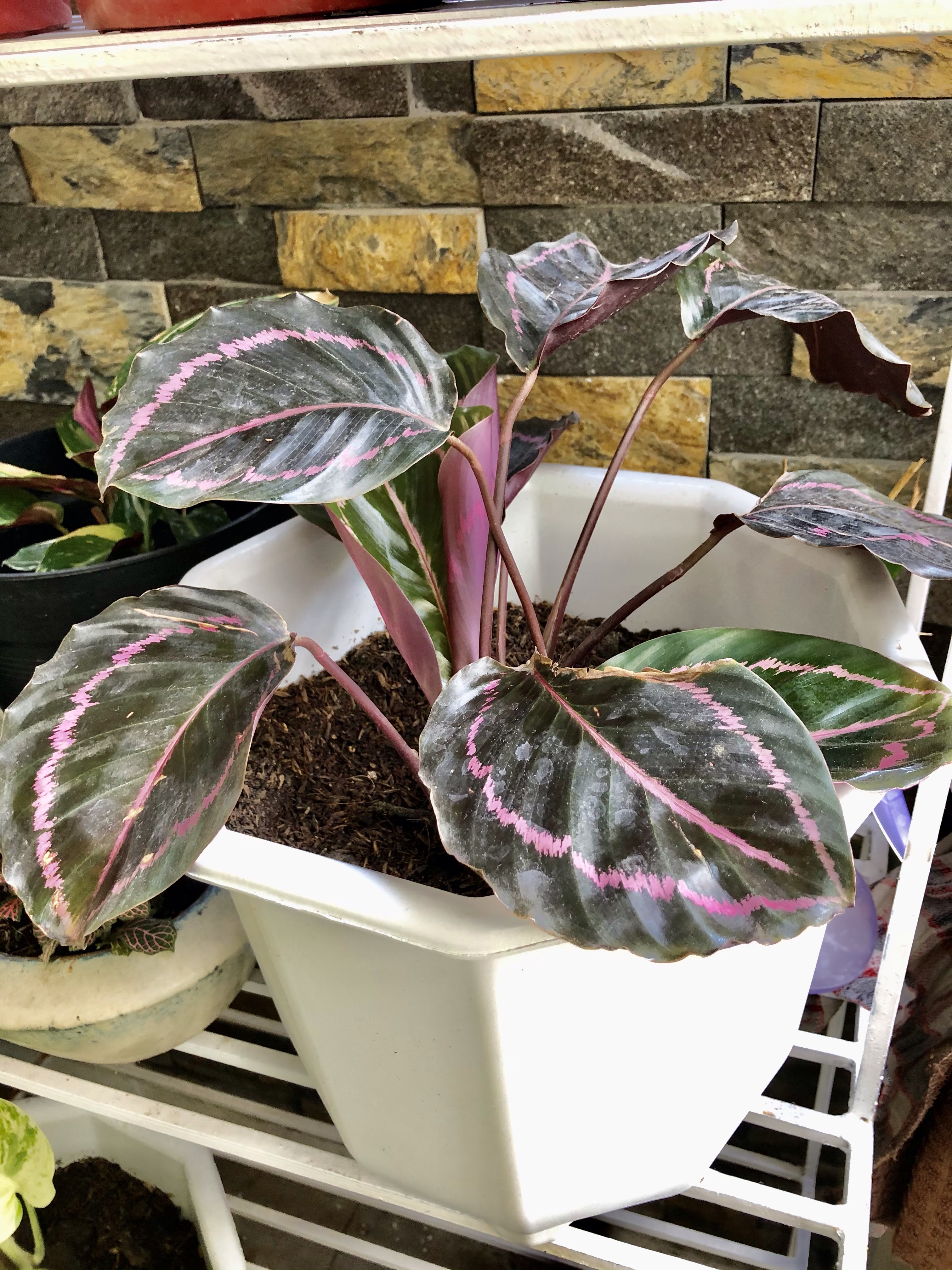
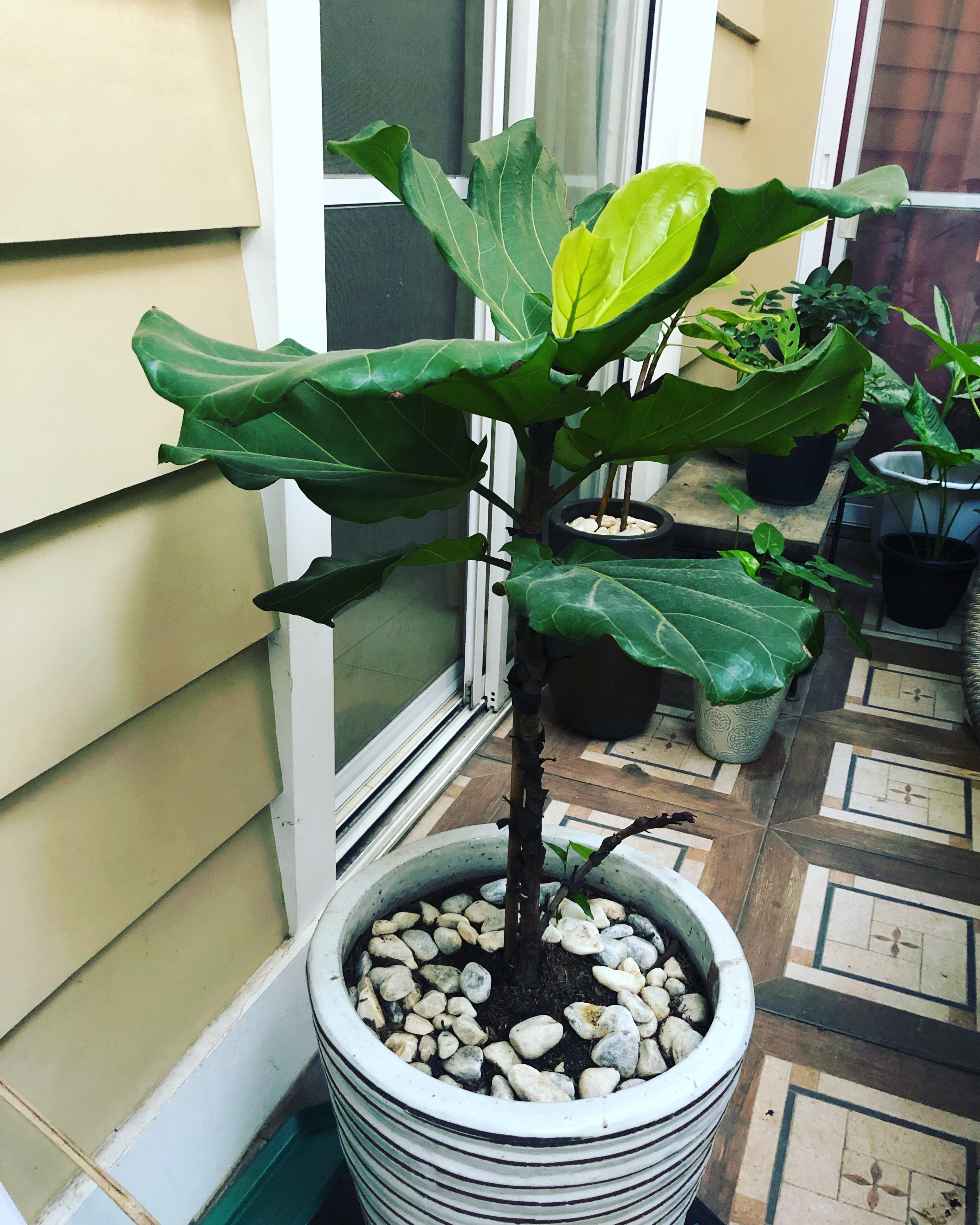
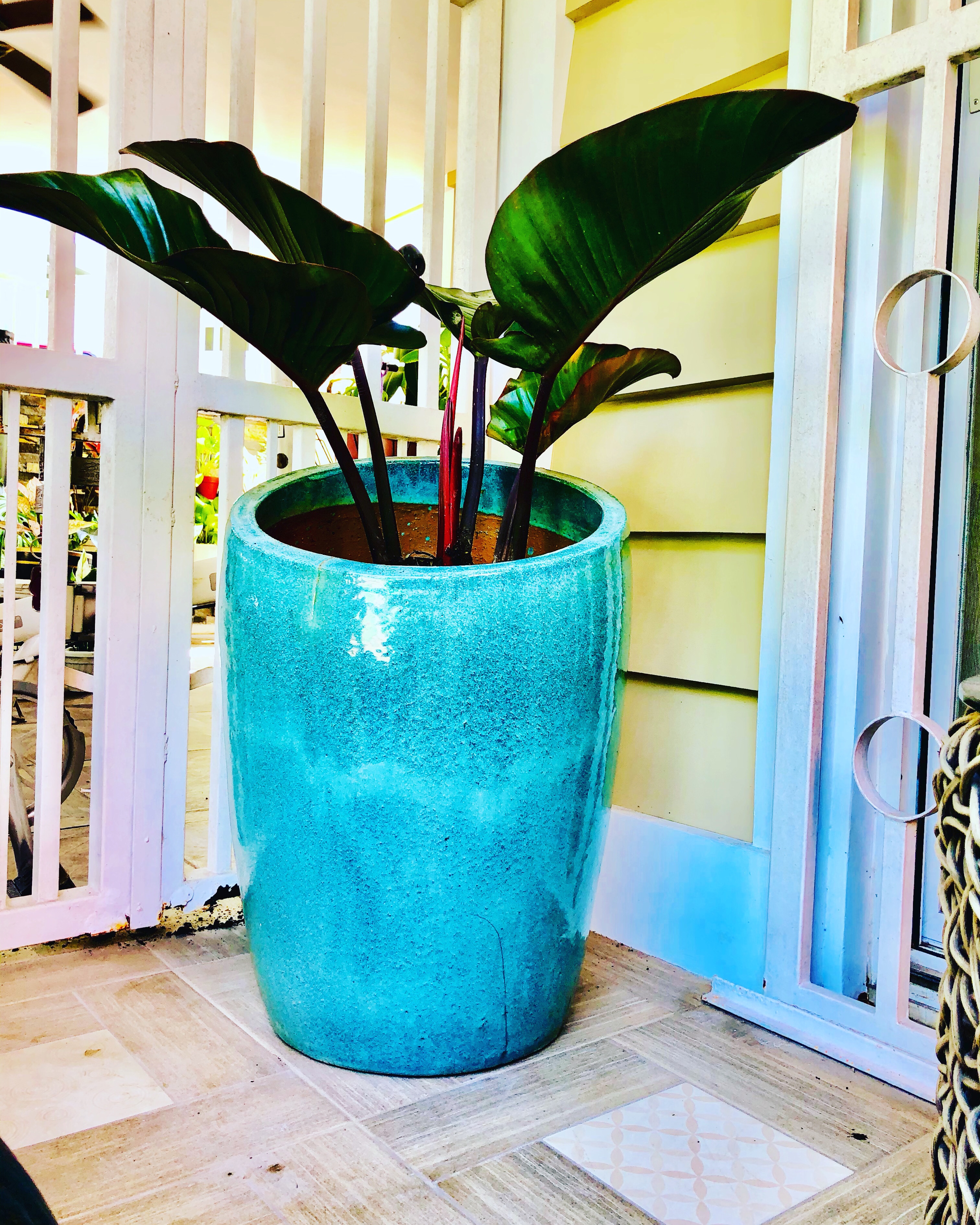
I guess, after 27 varieties of Philodendrons and counting; more than a dozen Calatheas and Aglaonemas; an increasing collection of Monsteras and Rubber Trees and many more, I can call myself a certified Plant Momma.

Indeed, there is such a thing as plant therapy and it is real!