
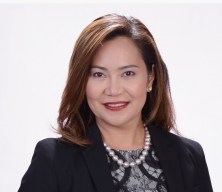
“Nanay” is the Filipino word for mother. Although, many use “Mommy”, “Mama” or “Mamang, there’s still a lot who call their moms “Nanay.” This article is part of a published book entitled Nanay Knows Best which is a compilation of 35 beautiful stories curated by Ms. Janice Senorin-Dela Cruz which I am privileged to be part of.
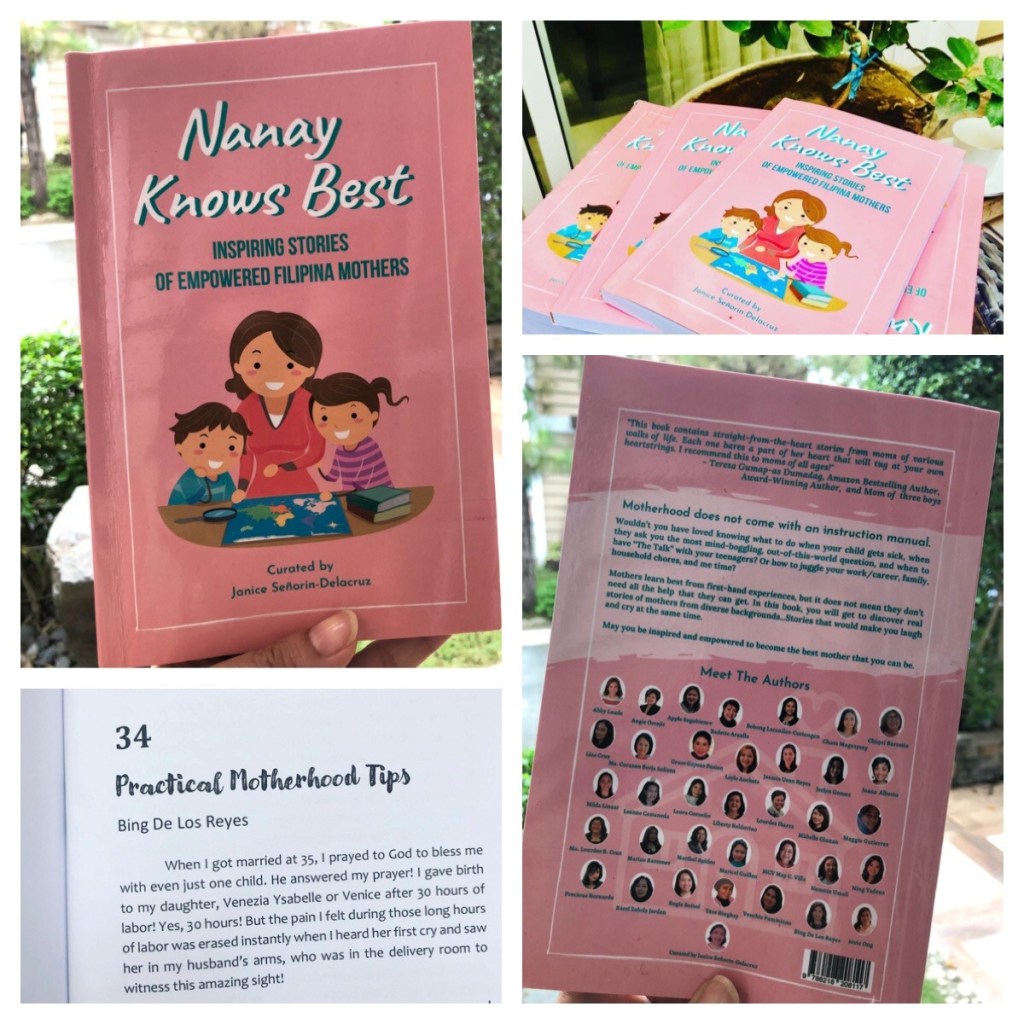
“Motherhood is a wonderful blessing. Imagine being able to impact the next generations by doing our role in the best way we can.”
~Bing
When I got married at 35, I prayed to God to bless me with even just one child. He answered my prayer and gave me just one (we actually we wanted two; that’s why you have to be careful what you ask for!). I gave birth to my daughter, Venezia Ysabelle or Venice after 30 hours of labor! Yes, 30 hours! But the pain I felt during those long hours of labor was erased instantly when I heard her first cry and saw her in my husband’s arms, who was in the delivery room to witness this amazing sight!
It’s been said that children arrive without a manual or guide on what to do. So, with a firstborn child, it can be daunting. I asked myself, how can I make sure that my child turns out to be a good person? I bought a good number of books and read up on how to raise a child, but it was never enough. Then, I remembered what I learned from my parents: “Train a child in the way he should go; even when he is old, he will not depart from it.” (Proverbs 22:6) This was my parents’ way of bringing us up and I thought, I should do the same! Bringing her to Sunday School was such a big help in inculcating good values. Values Formation was one of our primary considerations in the choice of school for her early education.
I also remembered my pediatrician’s advice to observe my child closely to know what her interests are and then support these interests. With that in mind, I enrolled her in voice lessons, ballet classes and baking classes. I also supported her in her sports activities – never forcing her to do what she doesn’t want. Now, she is the Team Captain of her school’s Girl’s Basketball Varsity; she sings and dances very well and is a young entrepreneur baking cookies and earning quite well from it that she now has her own investment account.
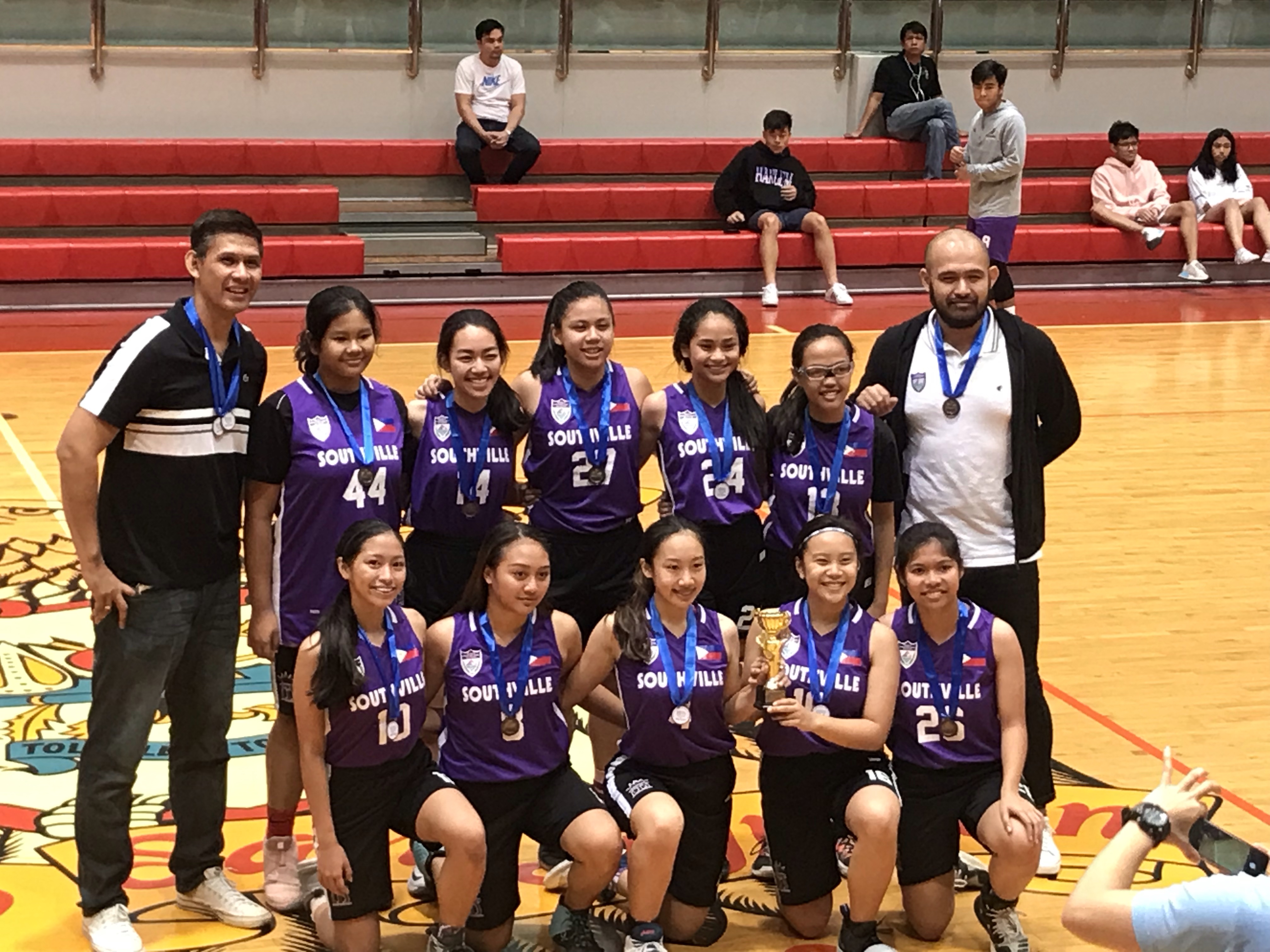
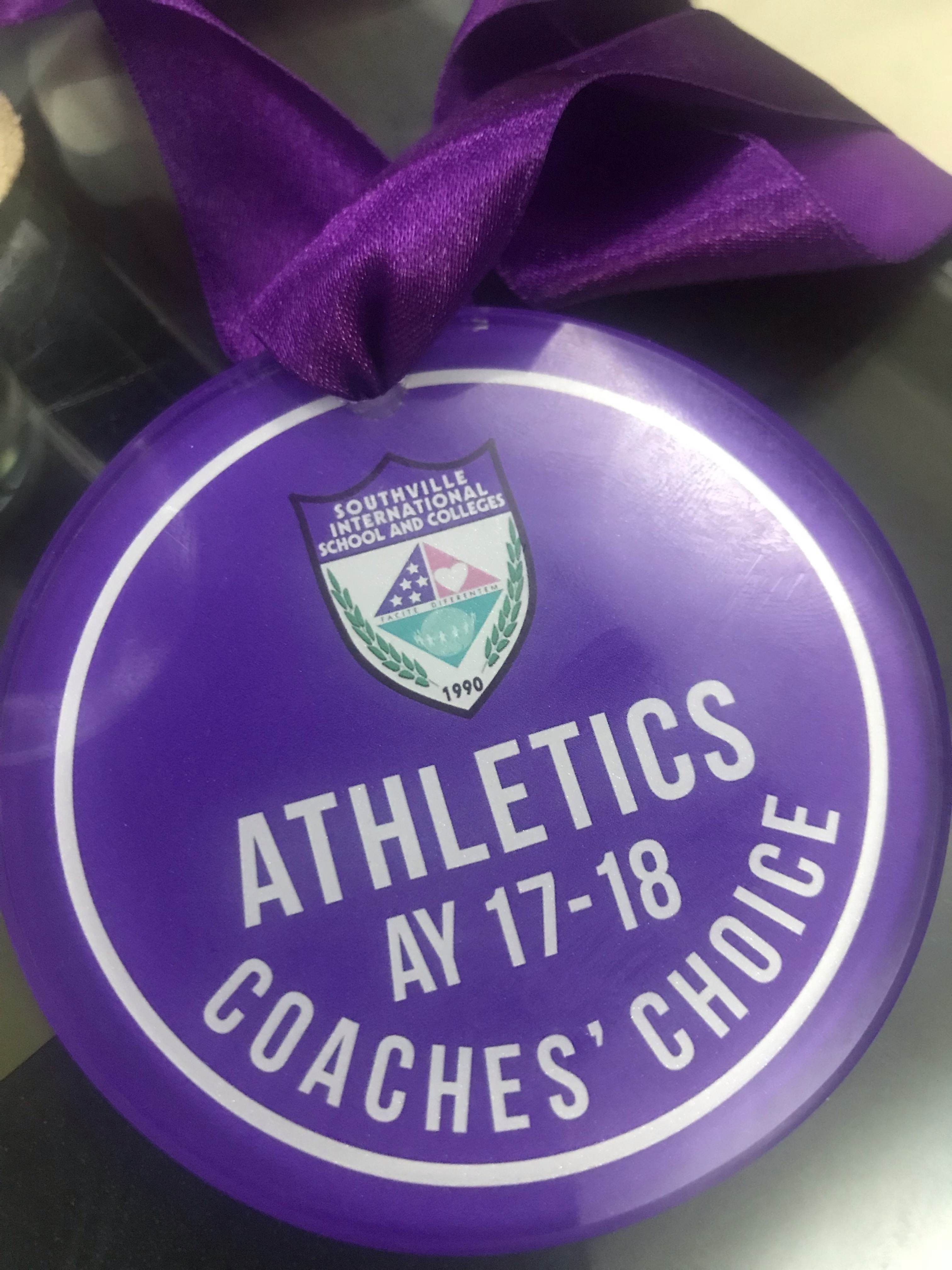
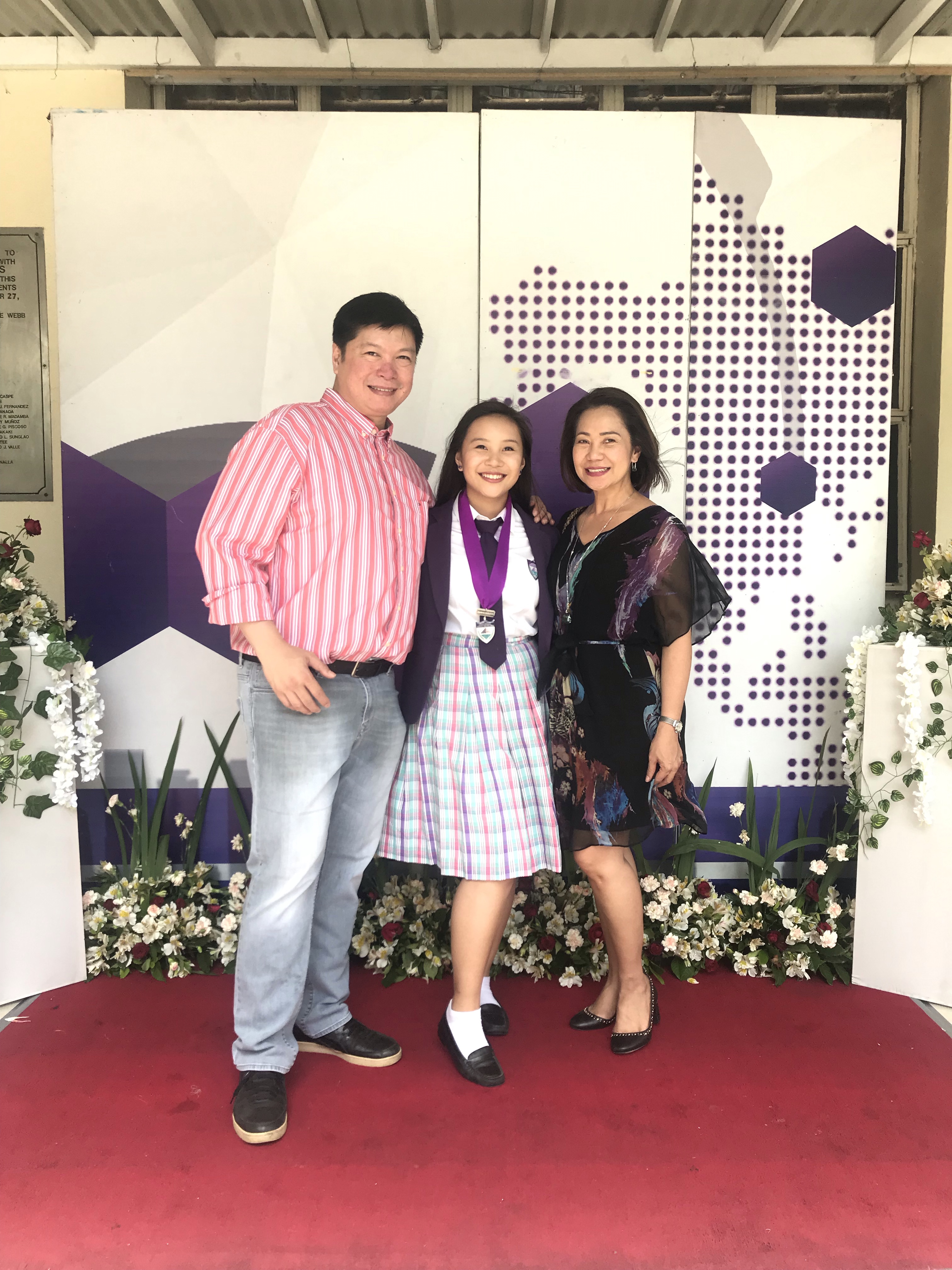
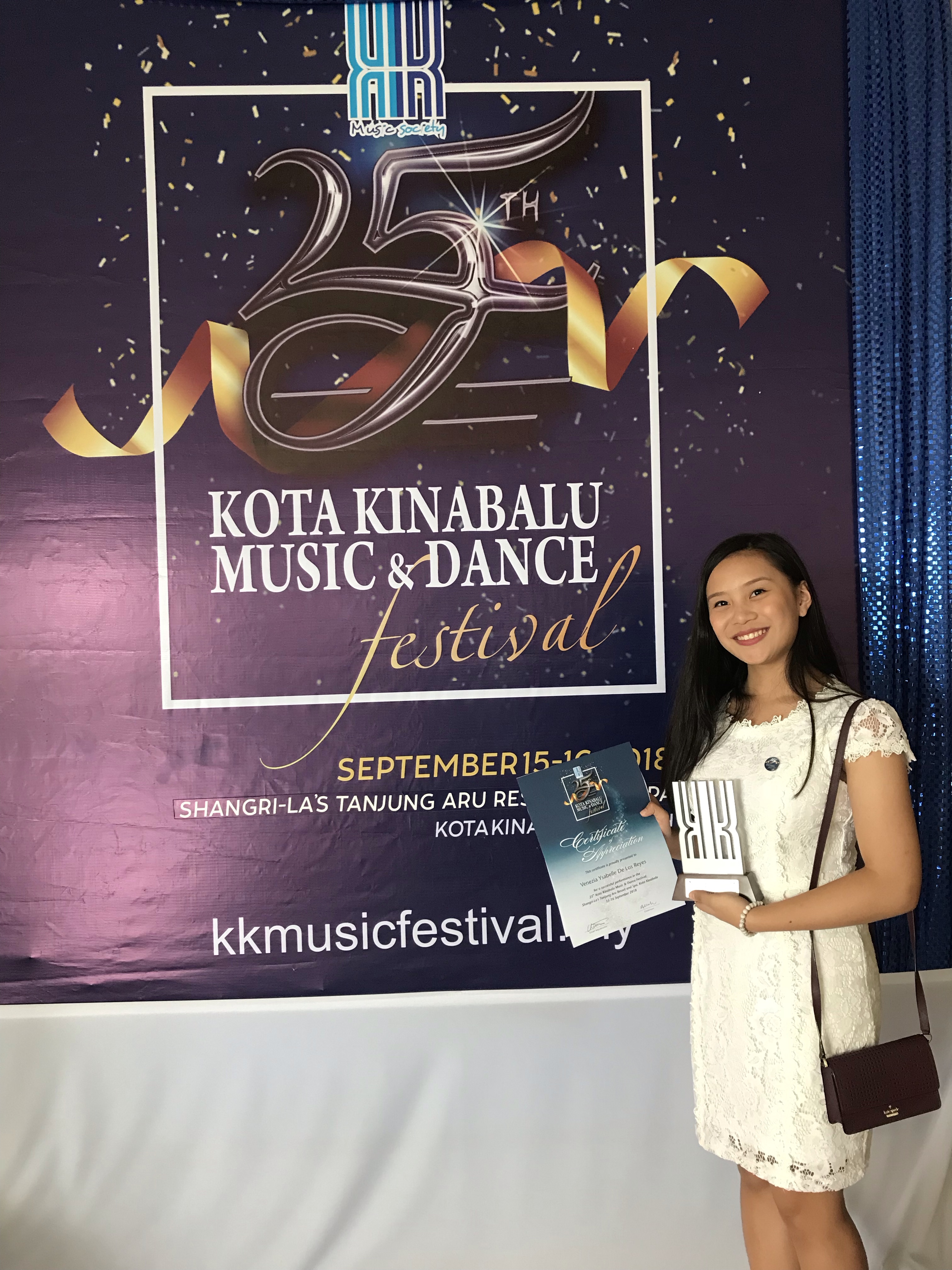
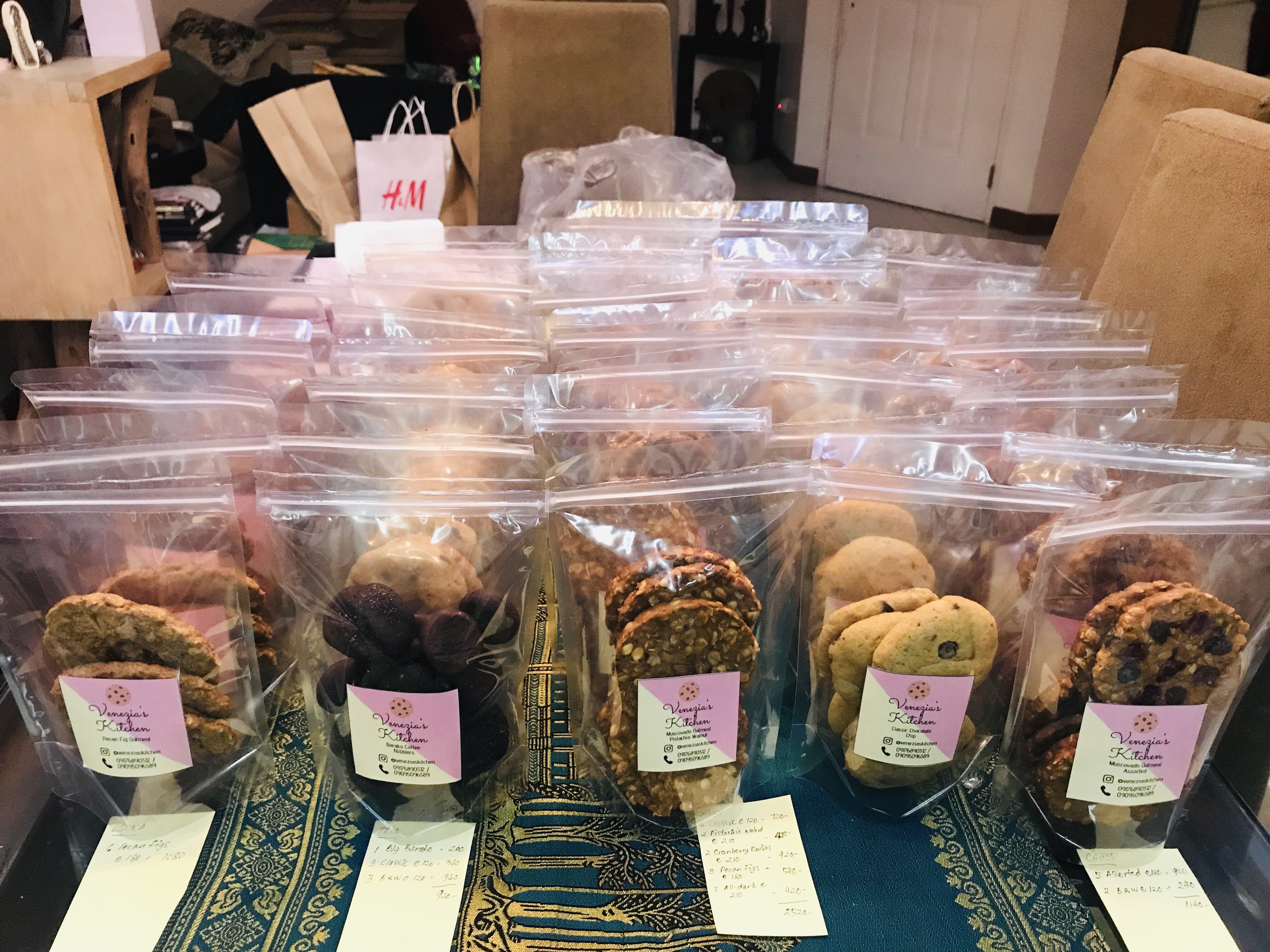
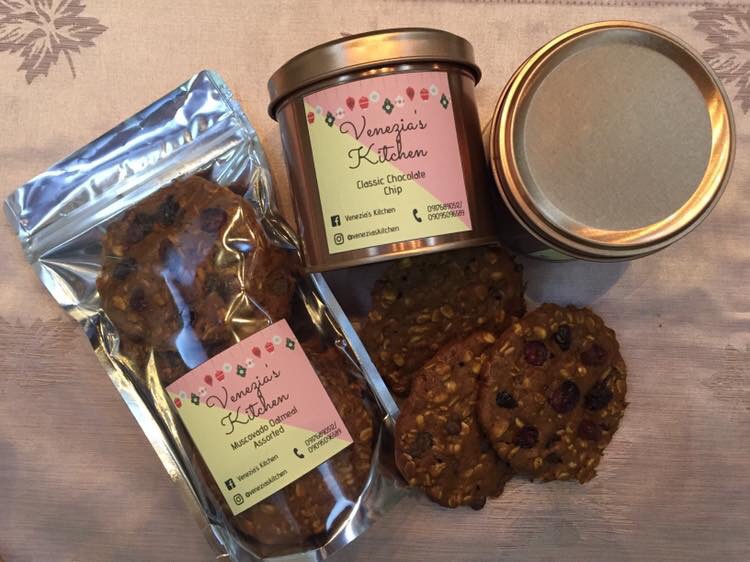
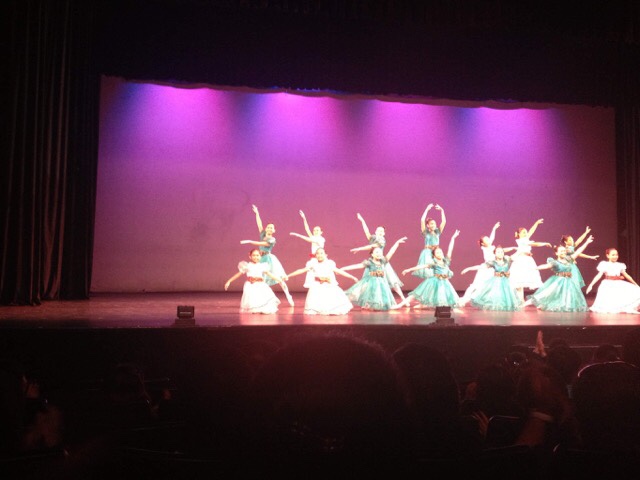
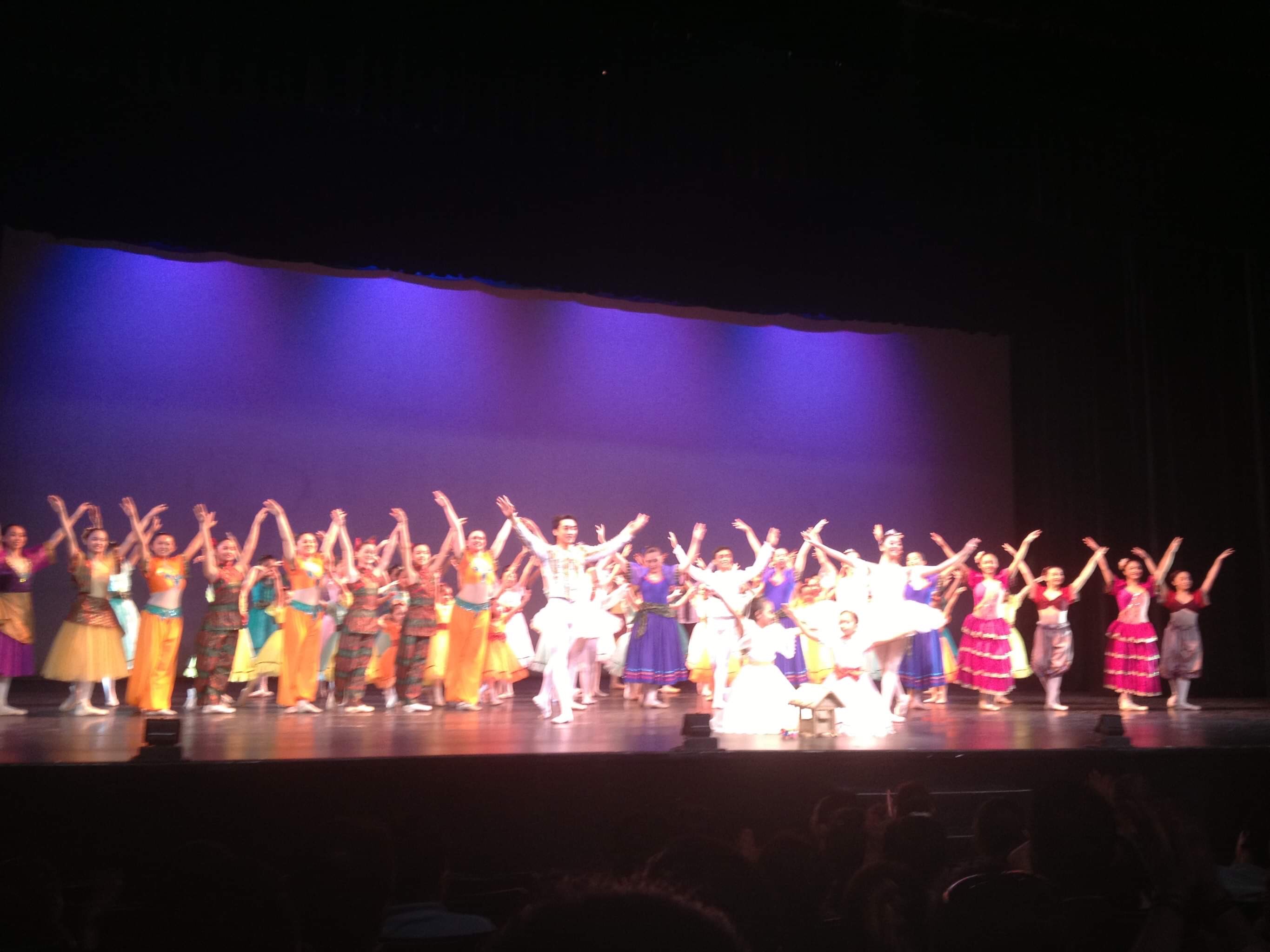
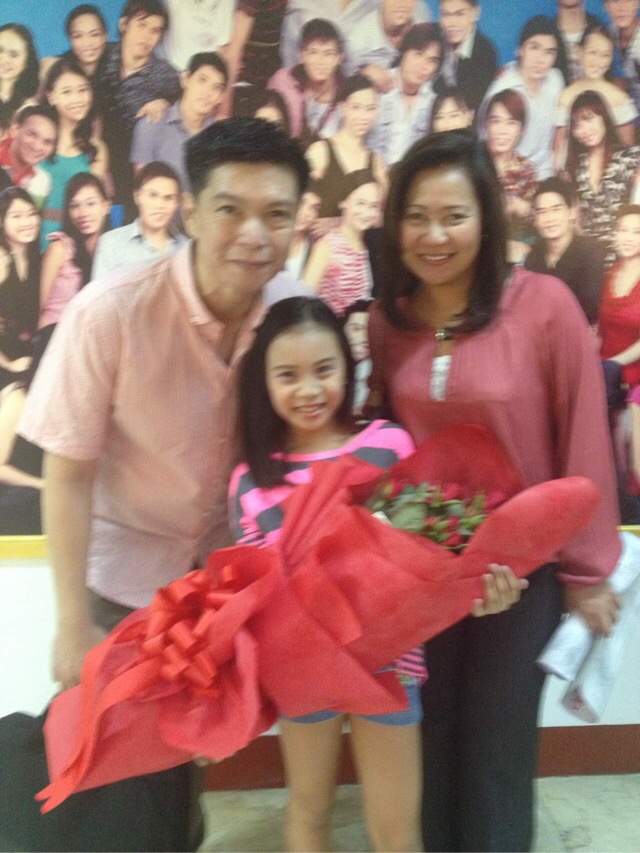
I really believe that if we expose our kids to opportunities where they can develop their talents, we give them more choices in life. Venice also excels in academics as an honor student and I think, has a well-rounded personality. Looking at how she has turned out at 17 now, I feel blessed and grateful.
With my Psychology background, I know that modelling plays a key role in child development. As Venice was growing up, being a model to her was challenging but I did my best. I wanted her to learn proper time management as I believe that quality family time includes quantity as well. As a working mom, with a very hectic schedule and numerous targets to deliver, I needed to balance my day to ensure I get to spend quality time with my family. My work also required me to travel and be away a lot during the weekdays. I made a commitment that I will be at home during weekends and be present at her school activities. I will never compromise our family time.
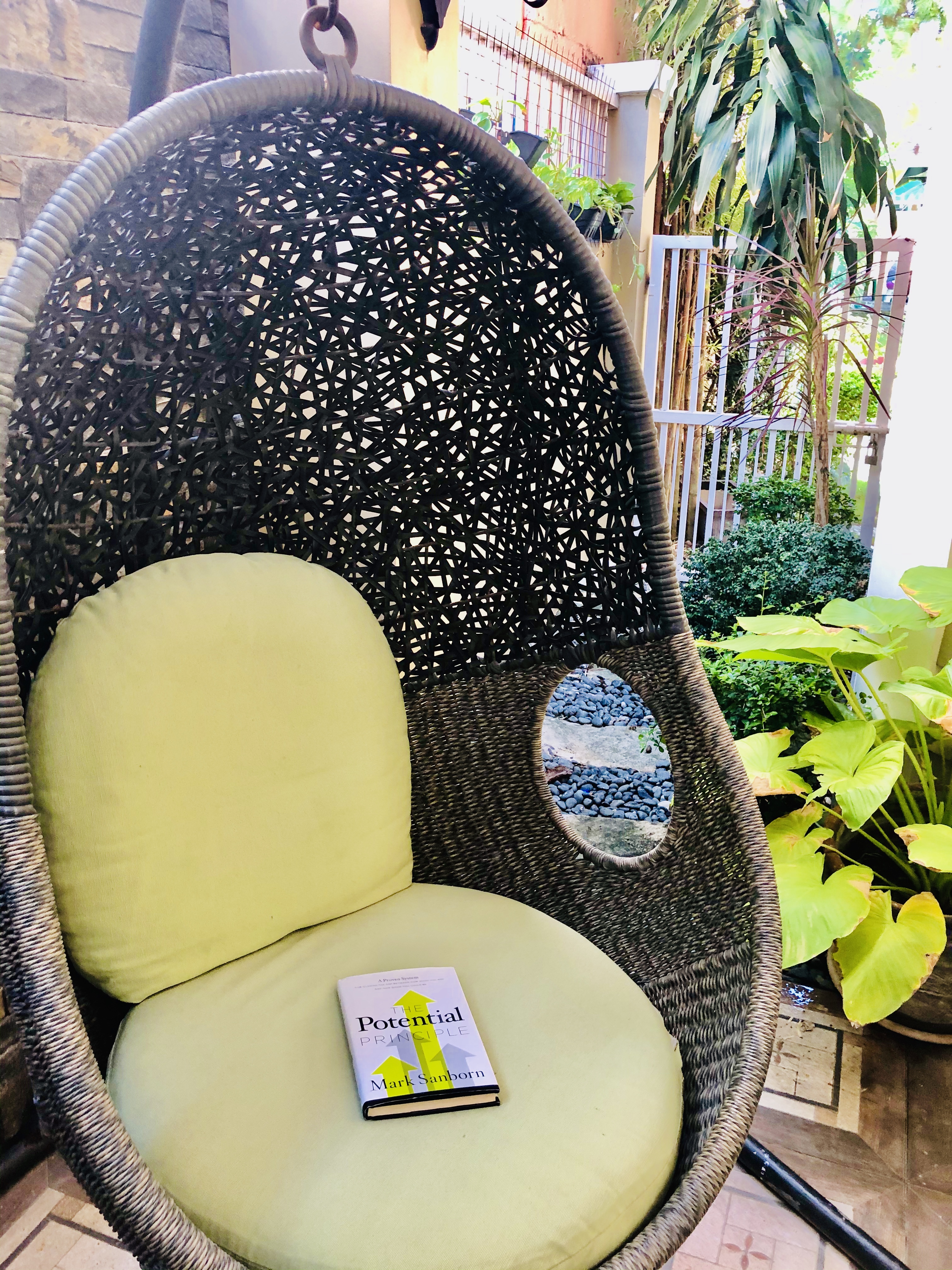
“Me time” is also something I value, which I would like my child to learn. We also need to give time and attention to ourselves. We should know what recharges our energy. For me, reading a book at my favourite nook in the house, going to the salon on Sundays, and having a good massage are ways I recharge myself for another gruelling work week ahead. Taking care of ourselves lifts our spirits and when we feel good, it shows in how we relate with our family and other people.
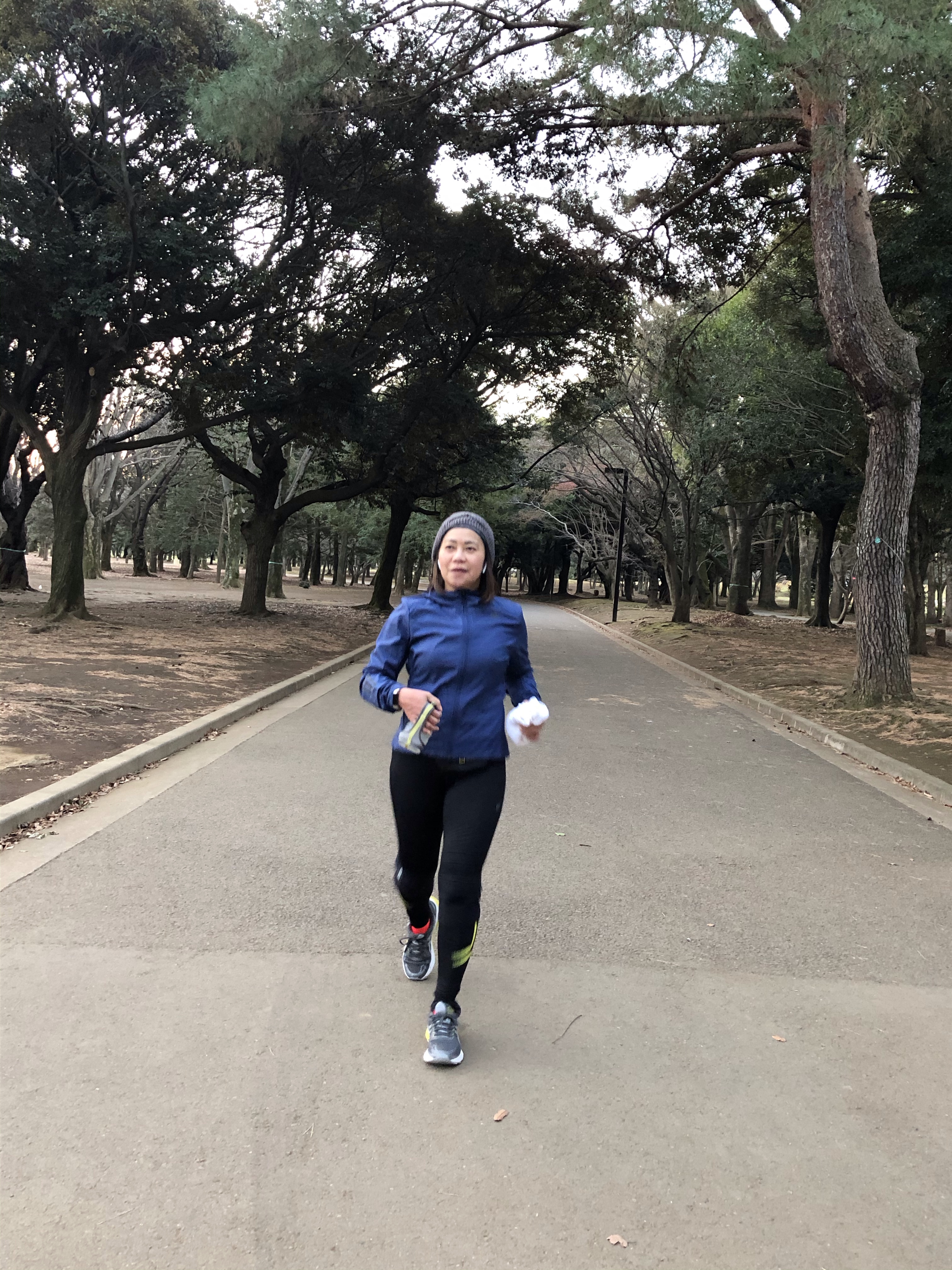
So many beautiful parks in Tokyo 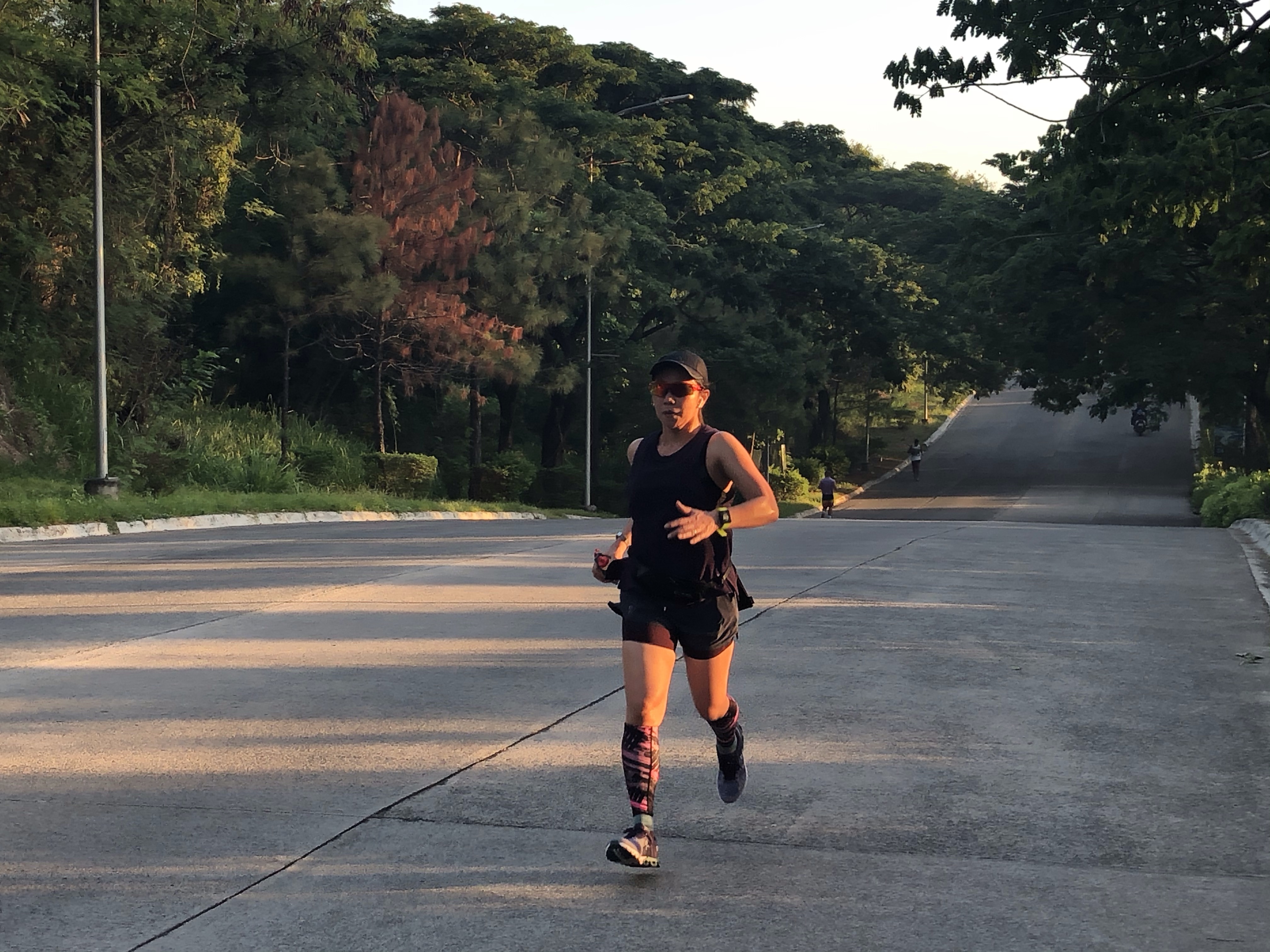
During the Covid-19 pandemic, running kept me sane 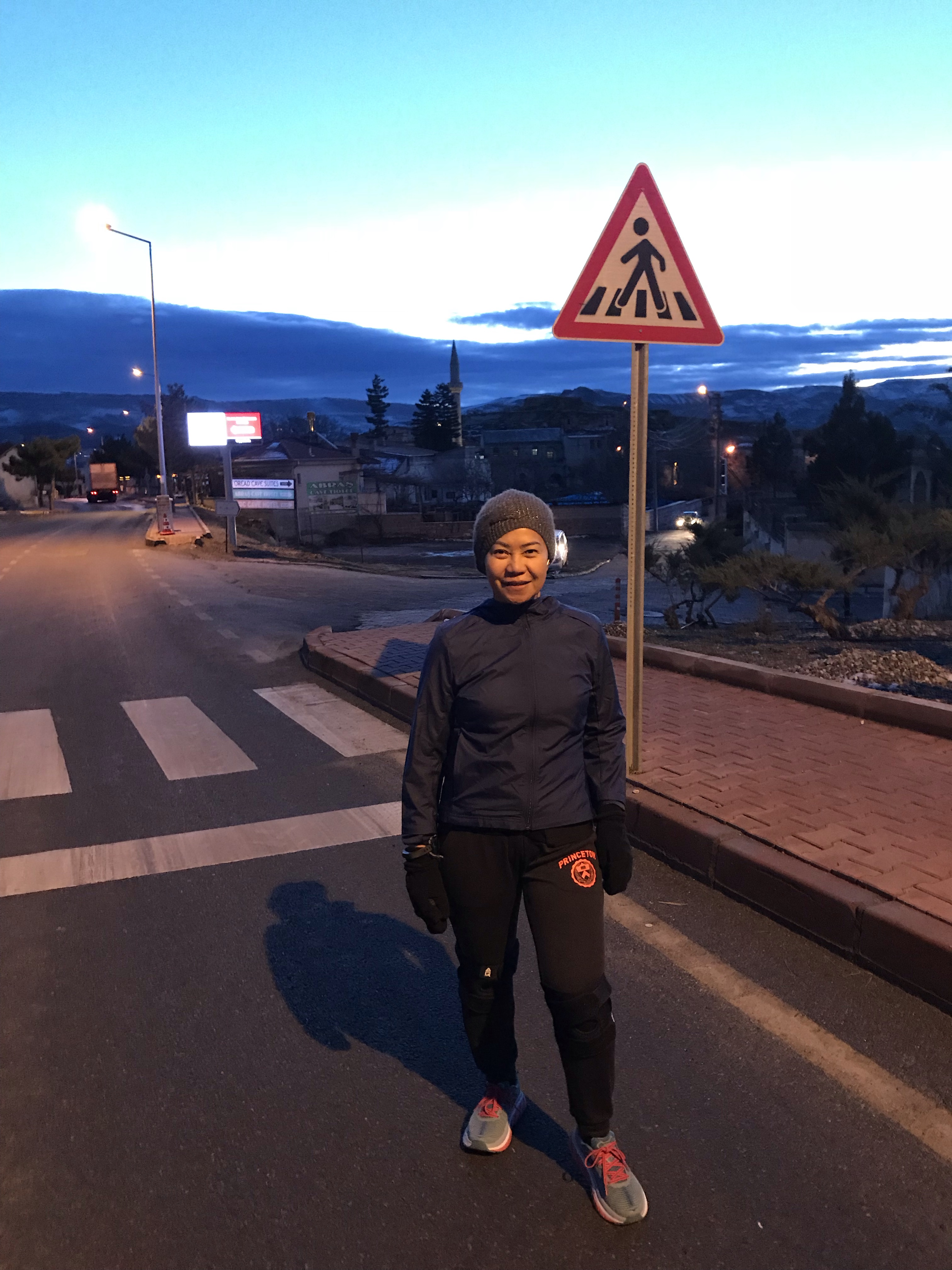
Cappadocia sunrise run 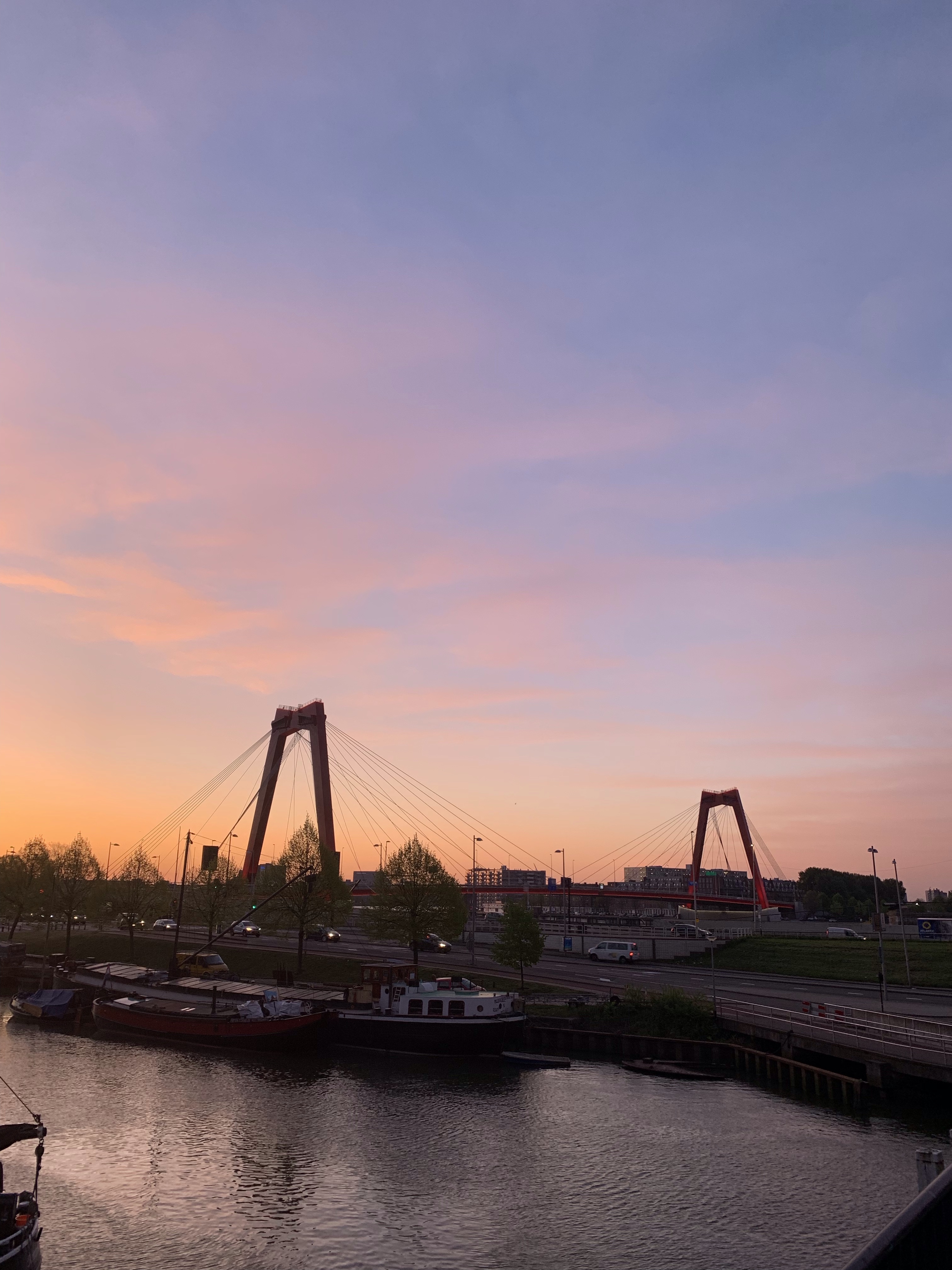
Ran Eramusbrug and Willemsbrug in Rotterdam 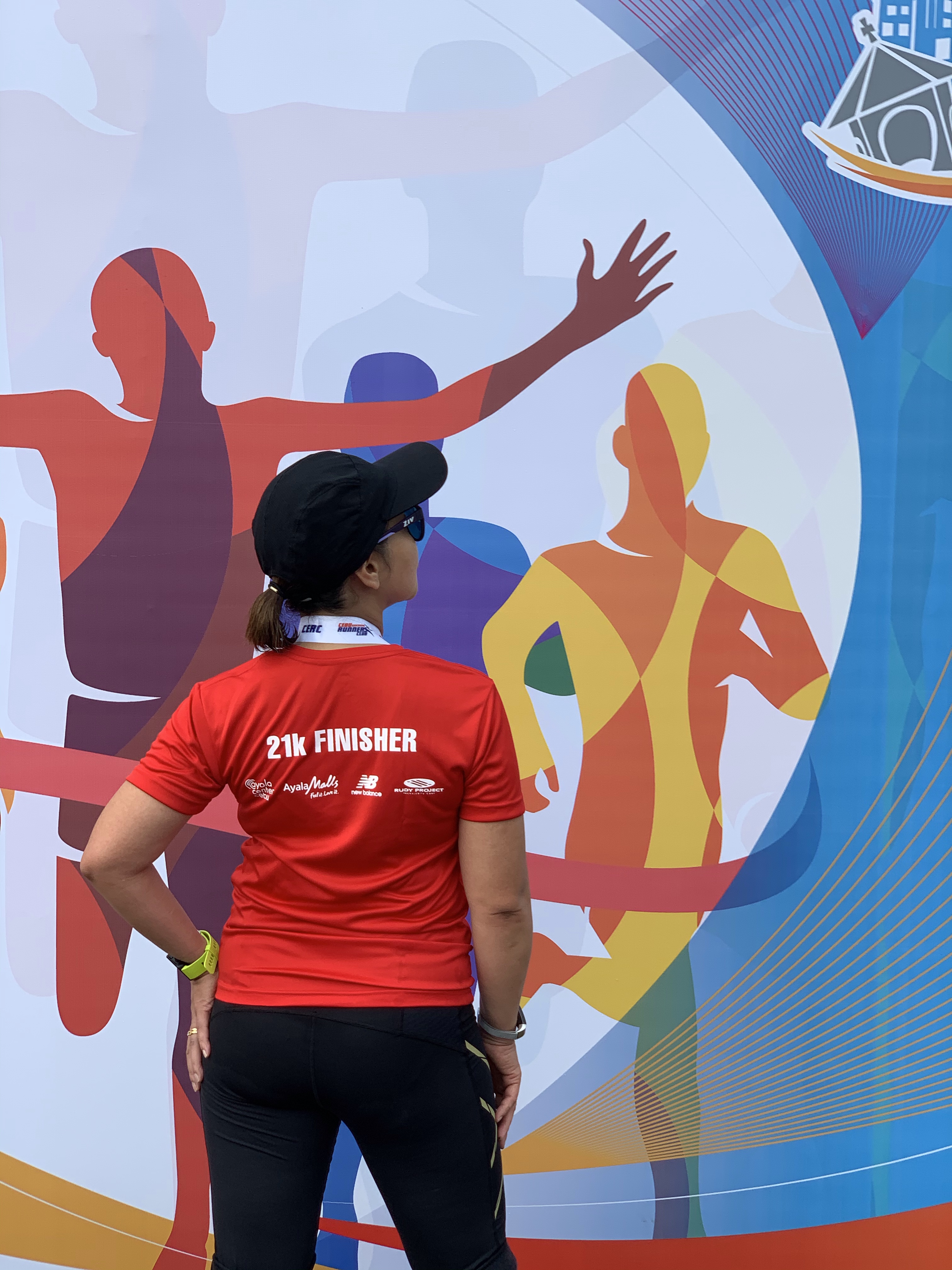
Cebu Half Marathon 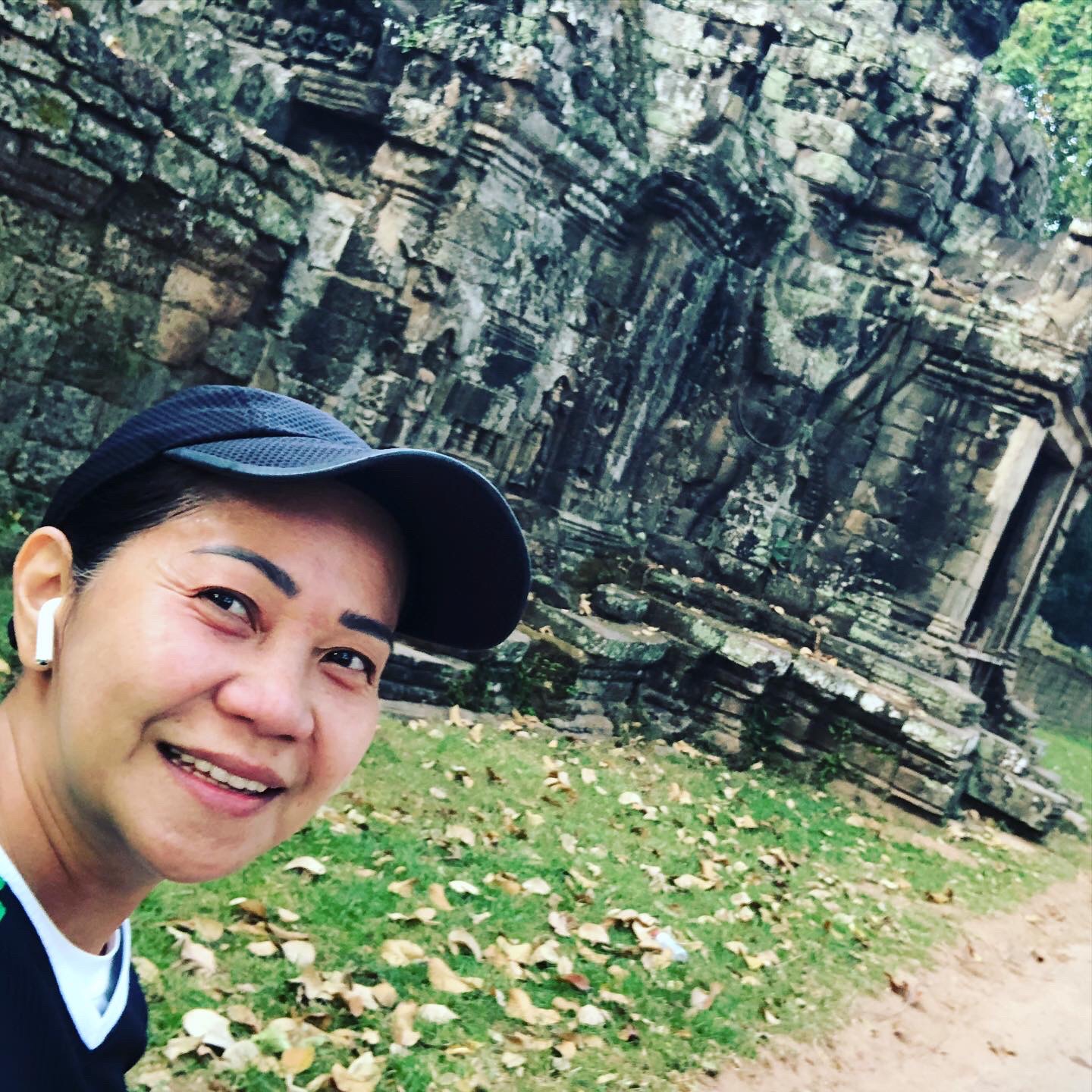
Angkor Wat Half Marathon 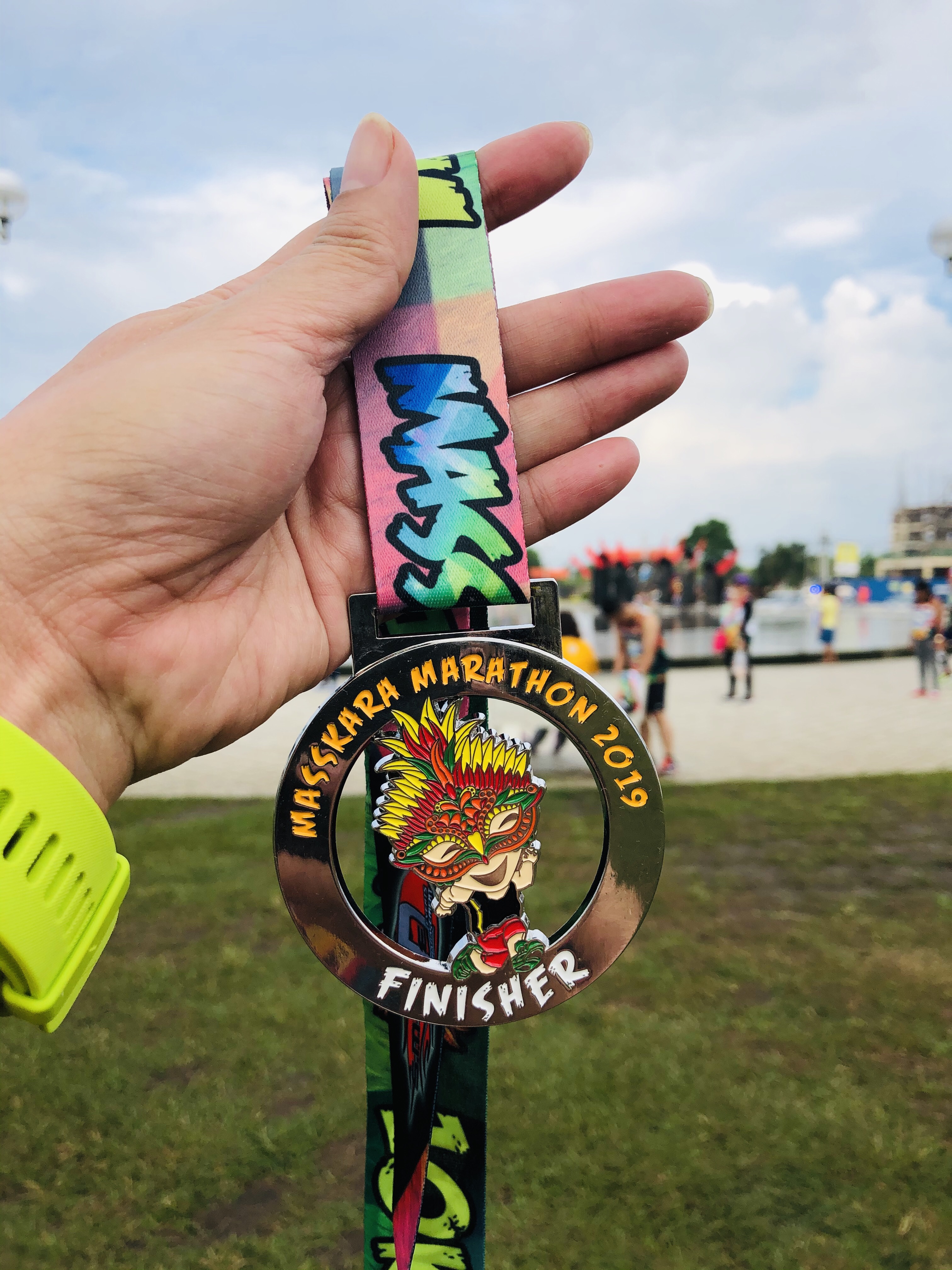
Masskara Run in Bacolod 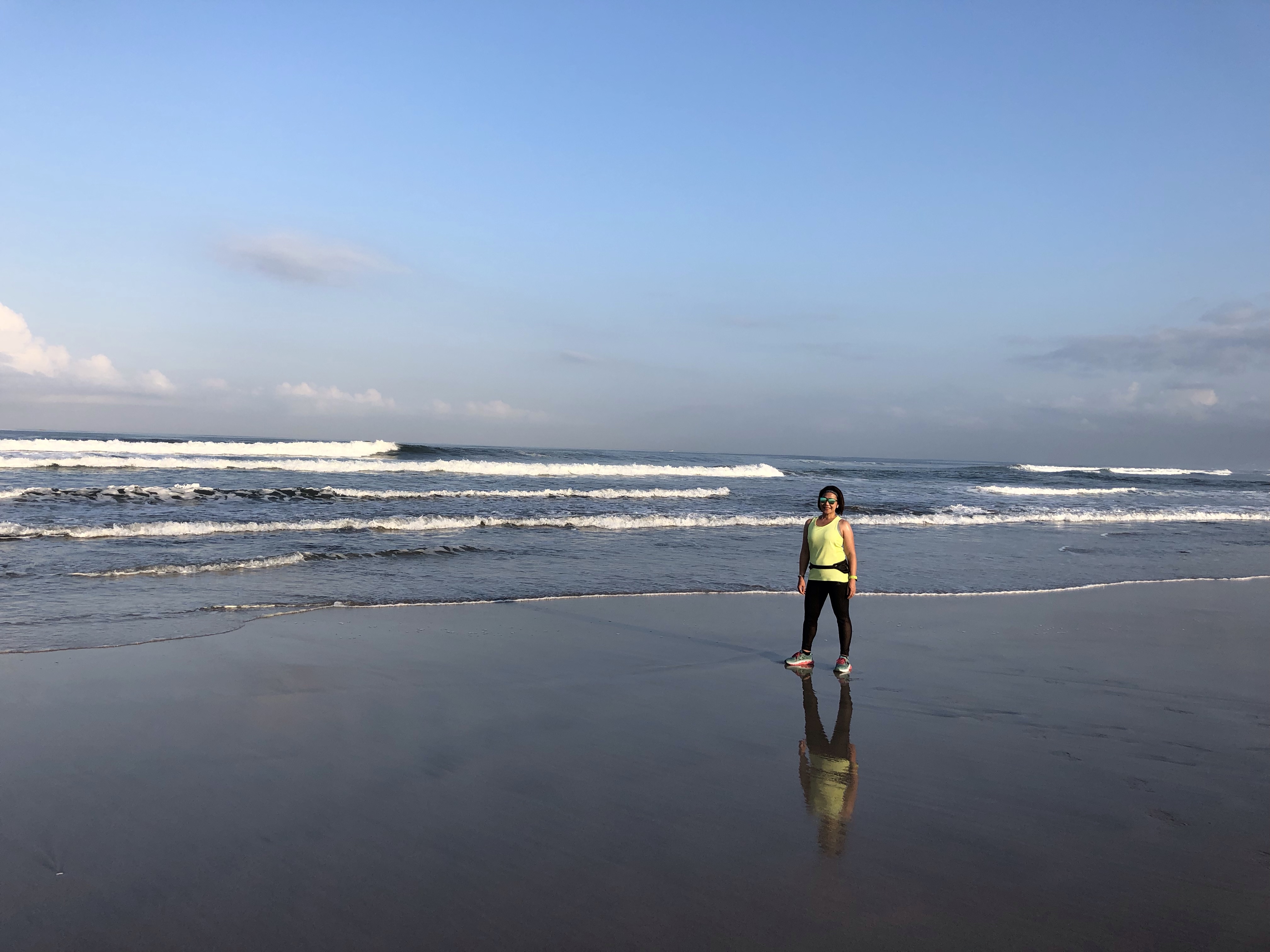
Bali sunrise run 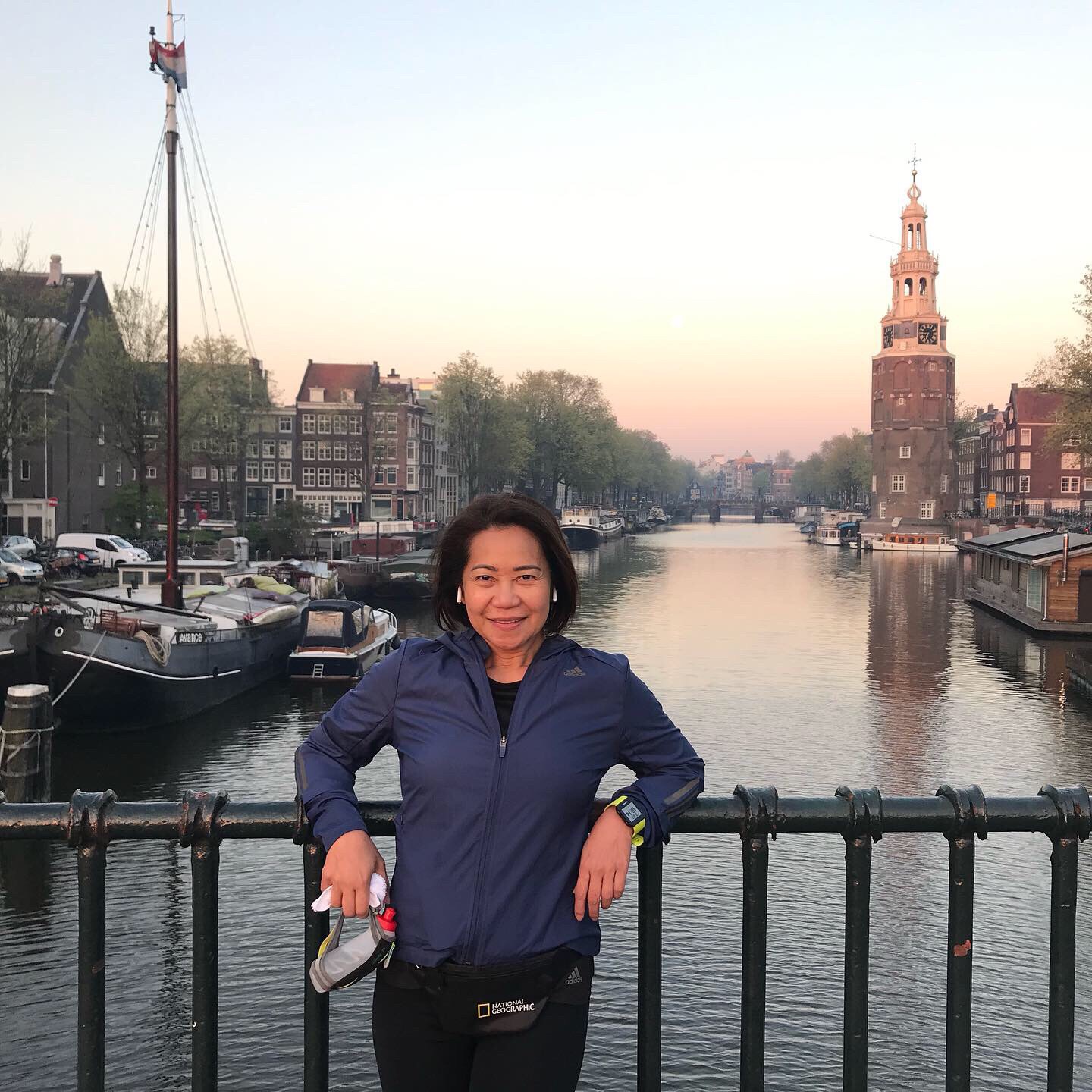
Enjoying the cool morning run in Amsterdam 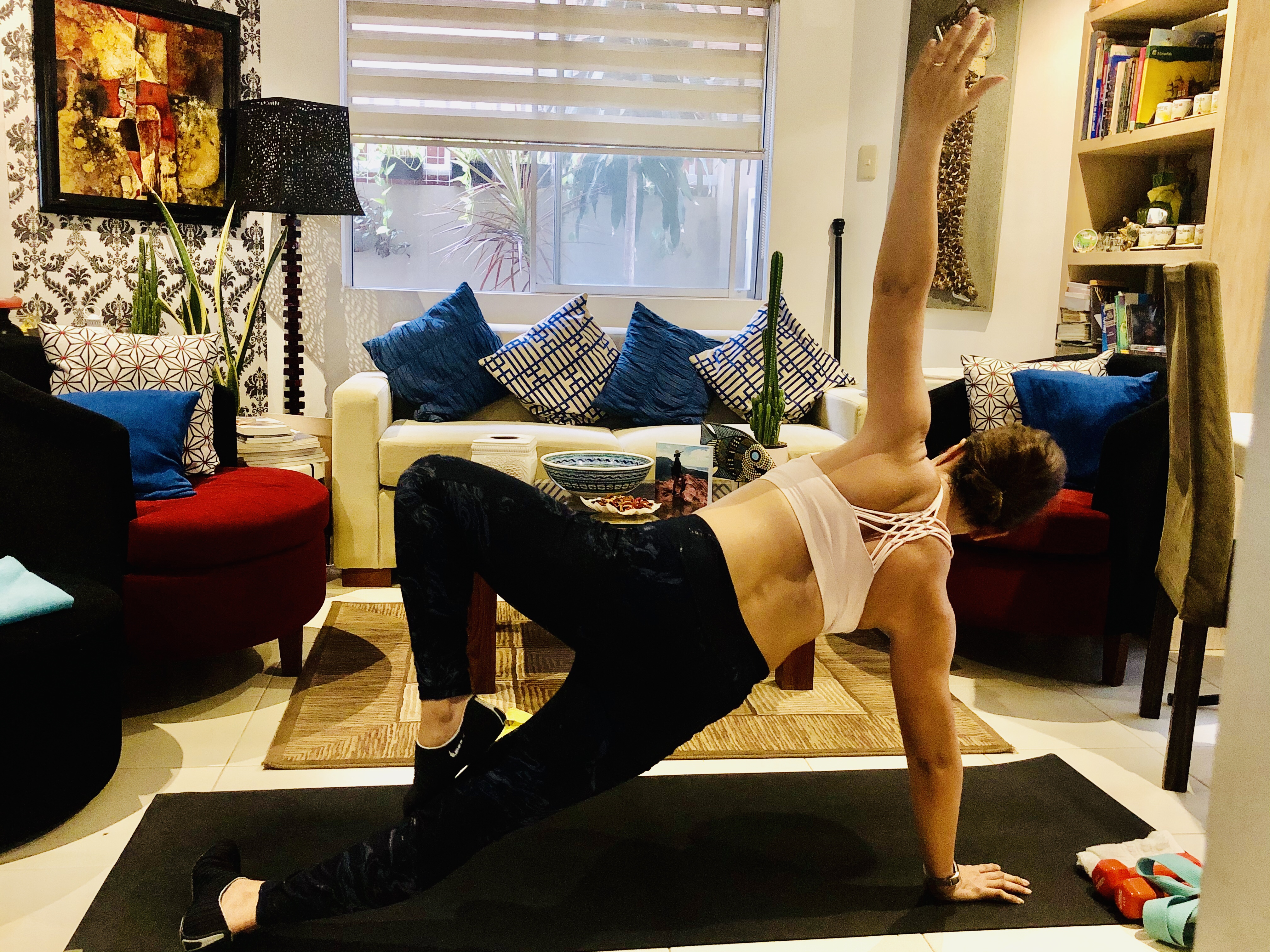
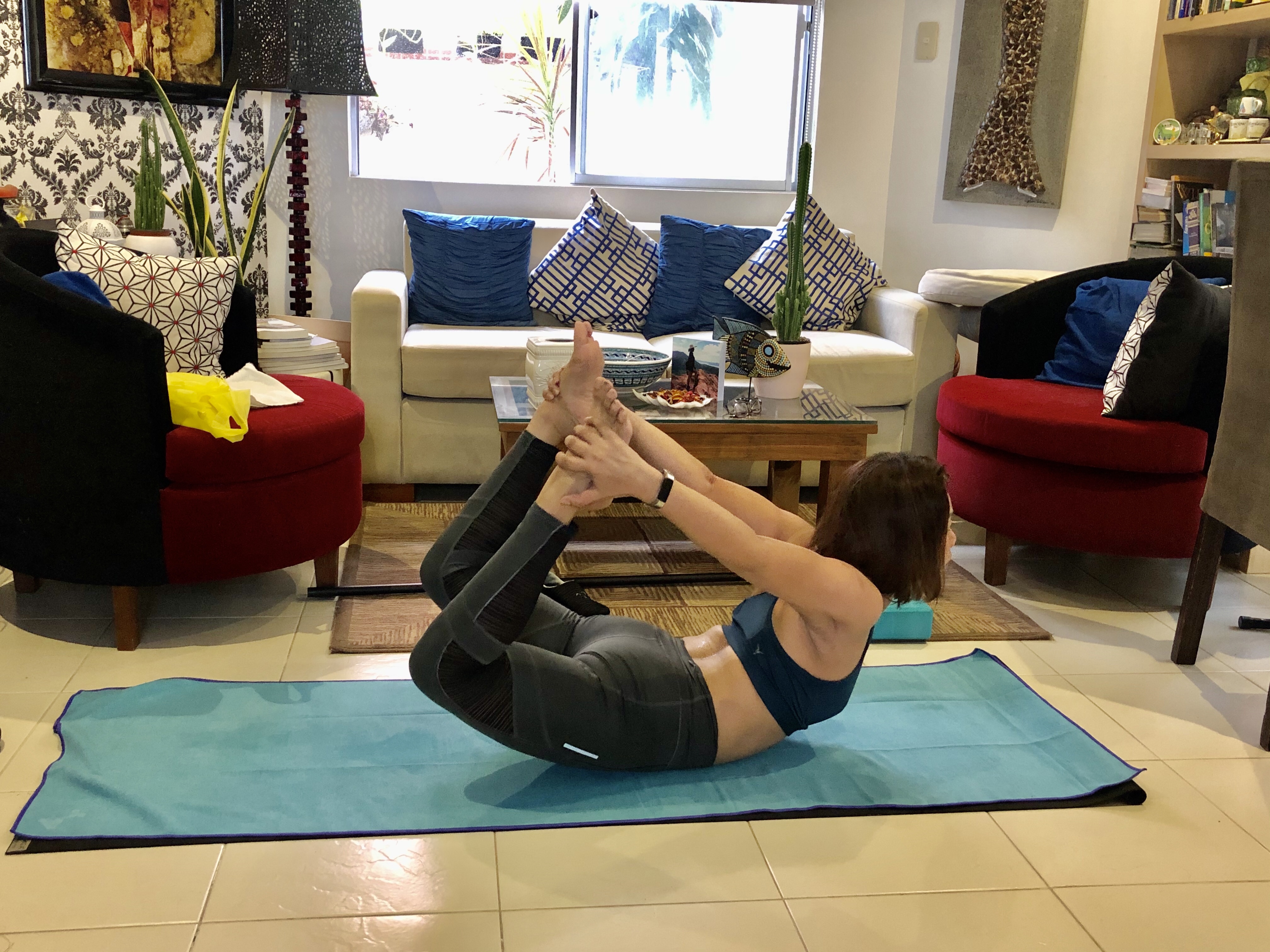
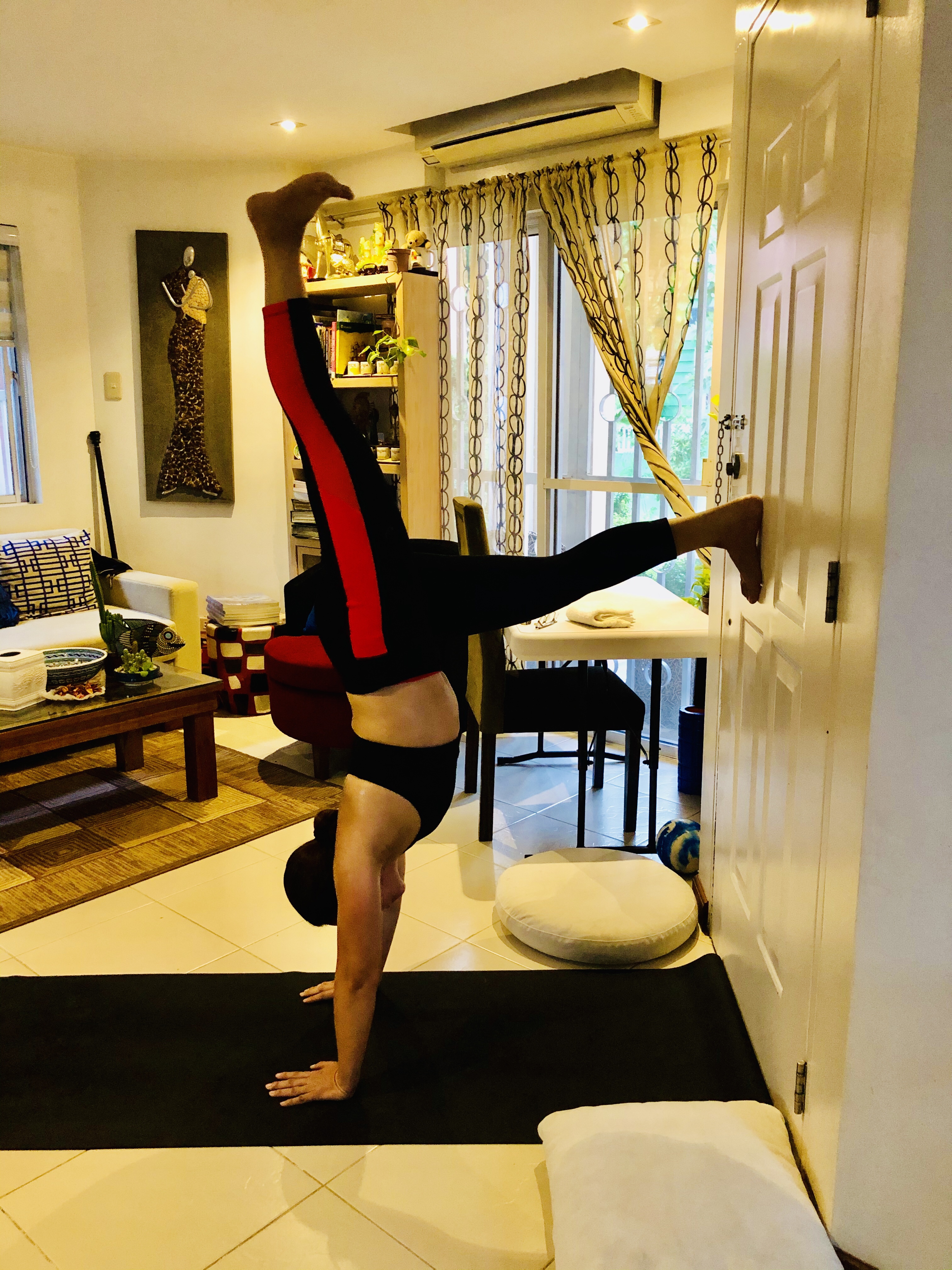
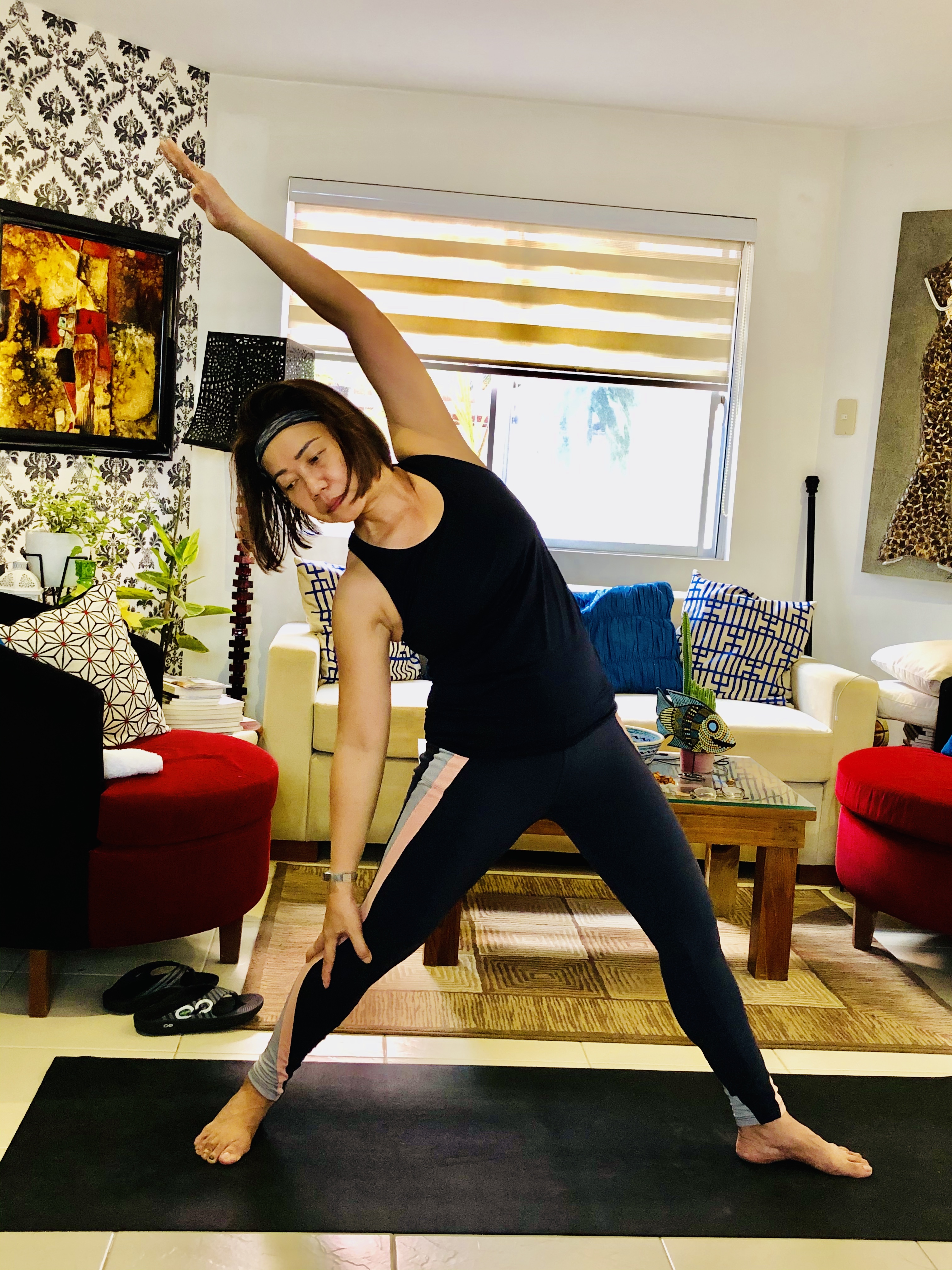
I am a staunch advocate of healthy lifestyle that includes eating well and having regular exercise. I want to enjoy a quality retirement and I know that I cannot possibly have that if I do not keep myself healthy. I do yoga at home and I run long distances. I have also influenced my family to run so we would participate in runs both here and abroad like Singapore, Cambodia and Vietnam, which are good bonding times for us.
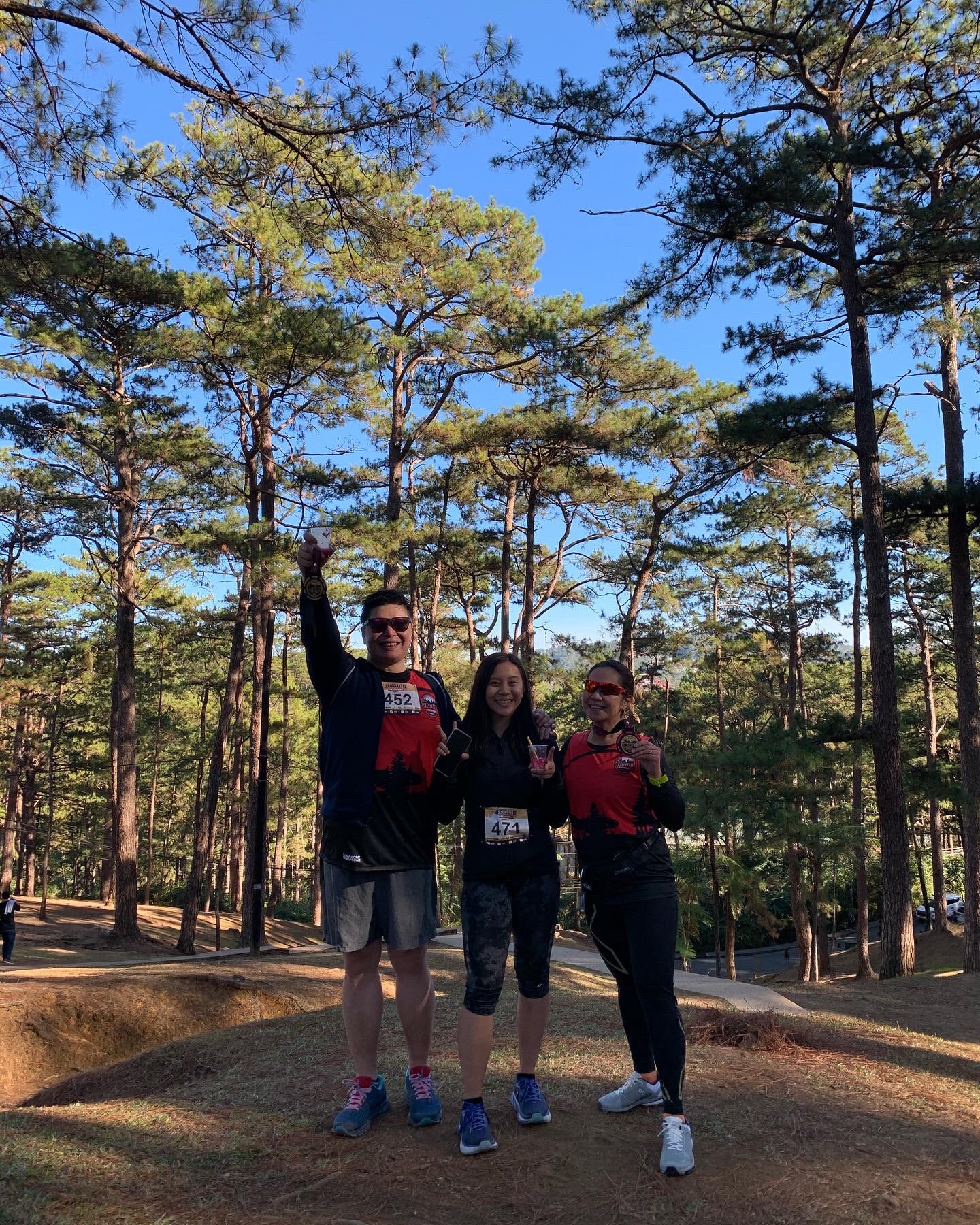
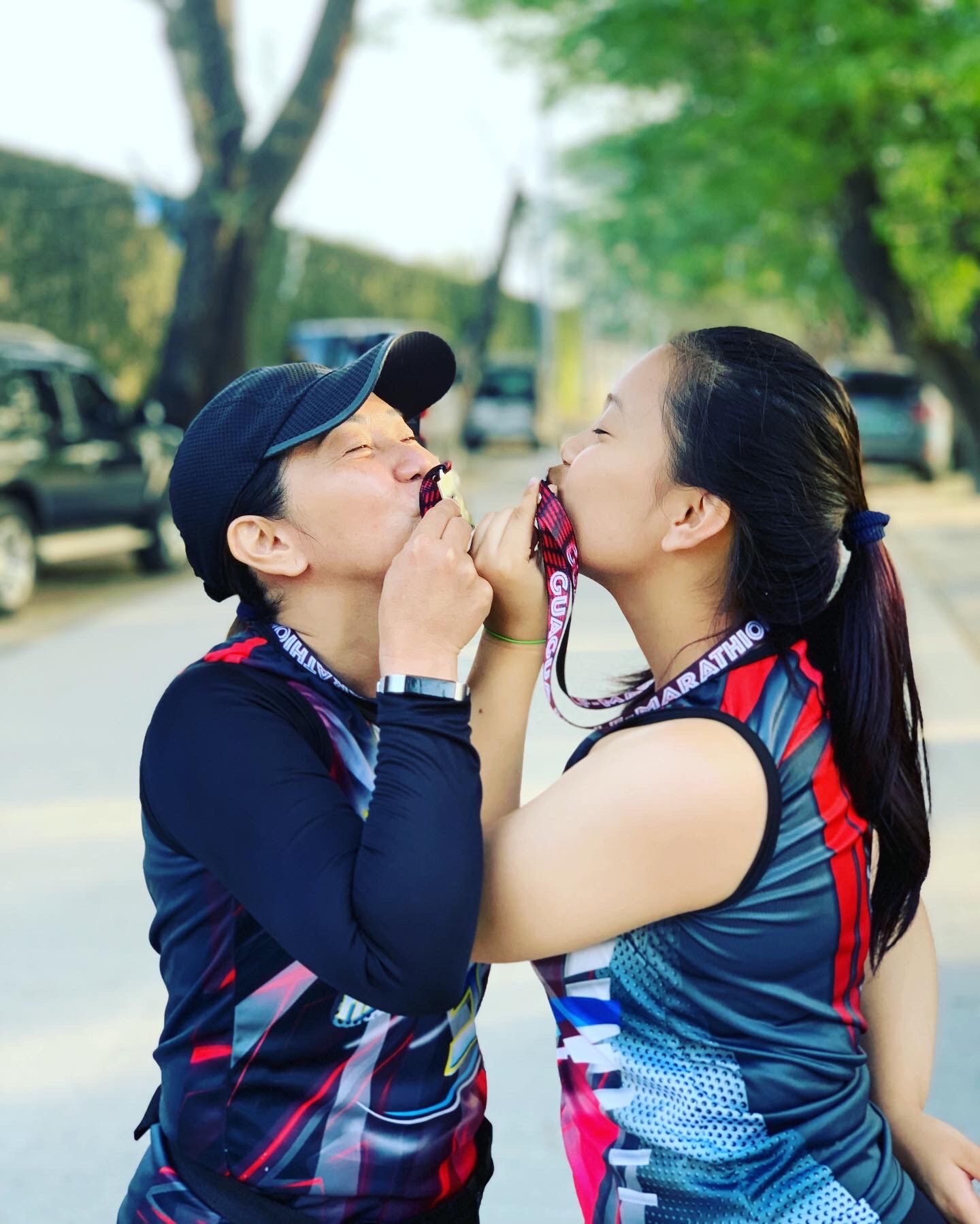
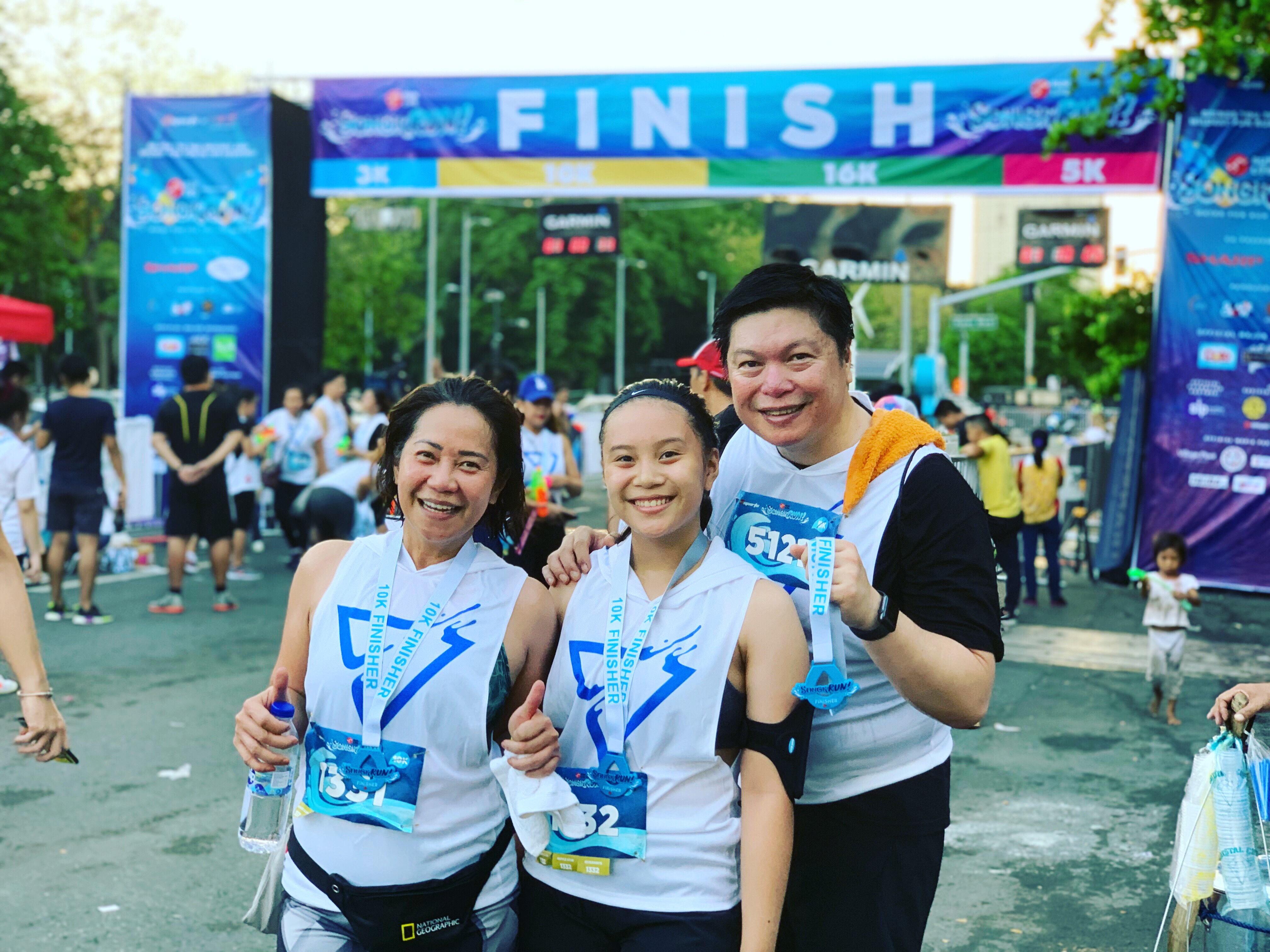
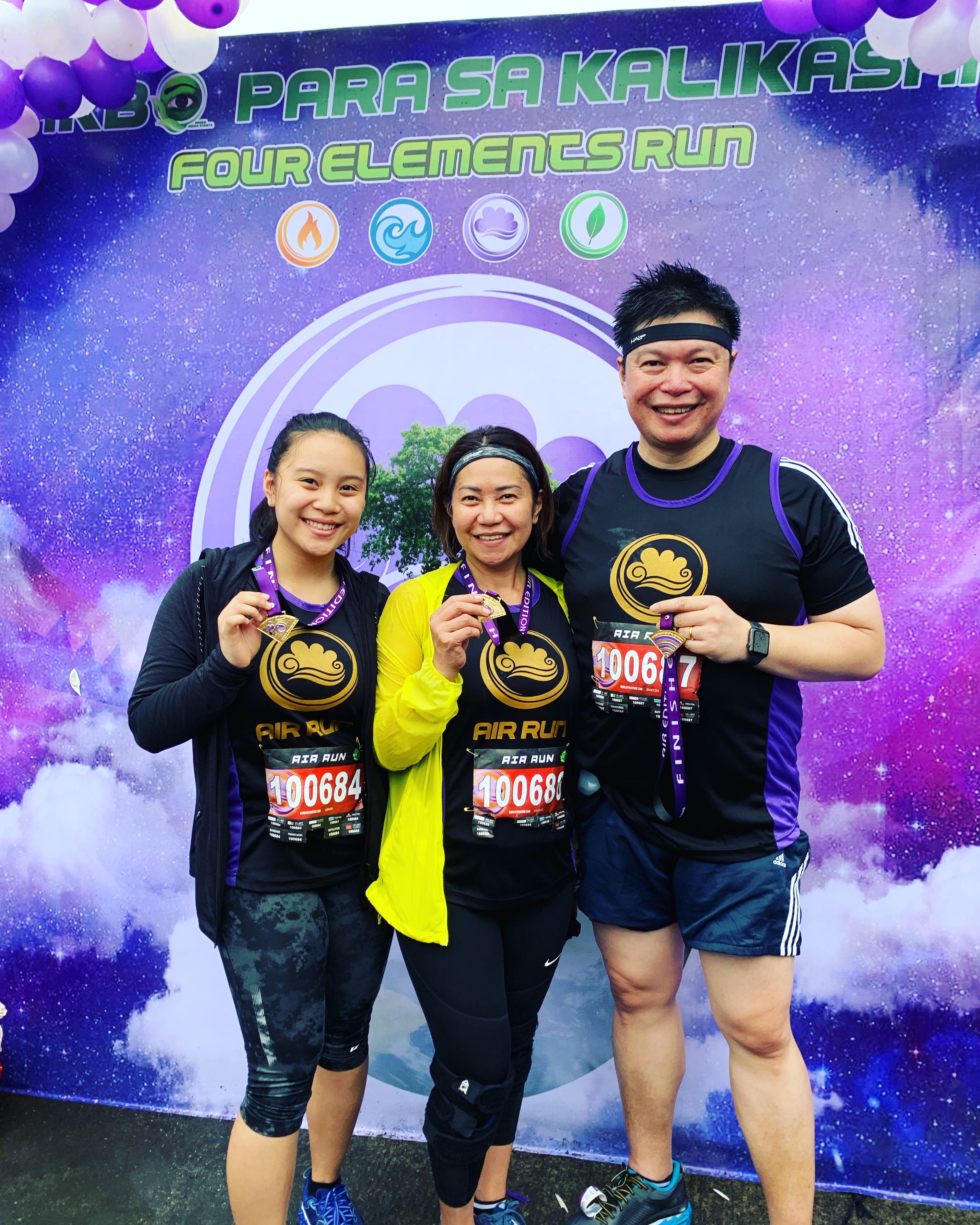
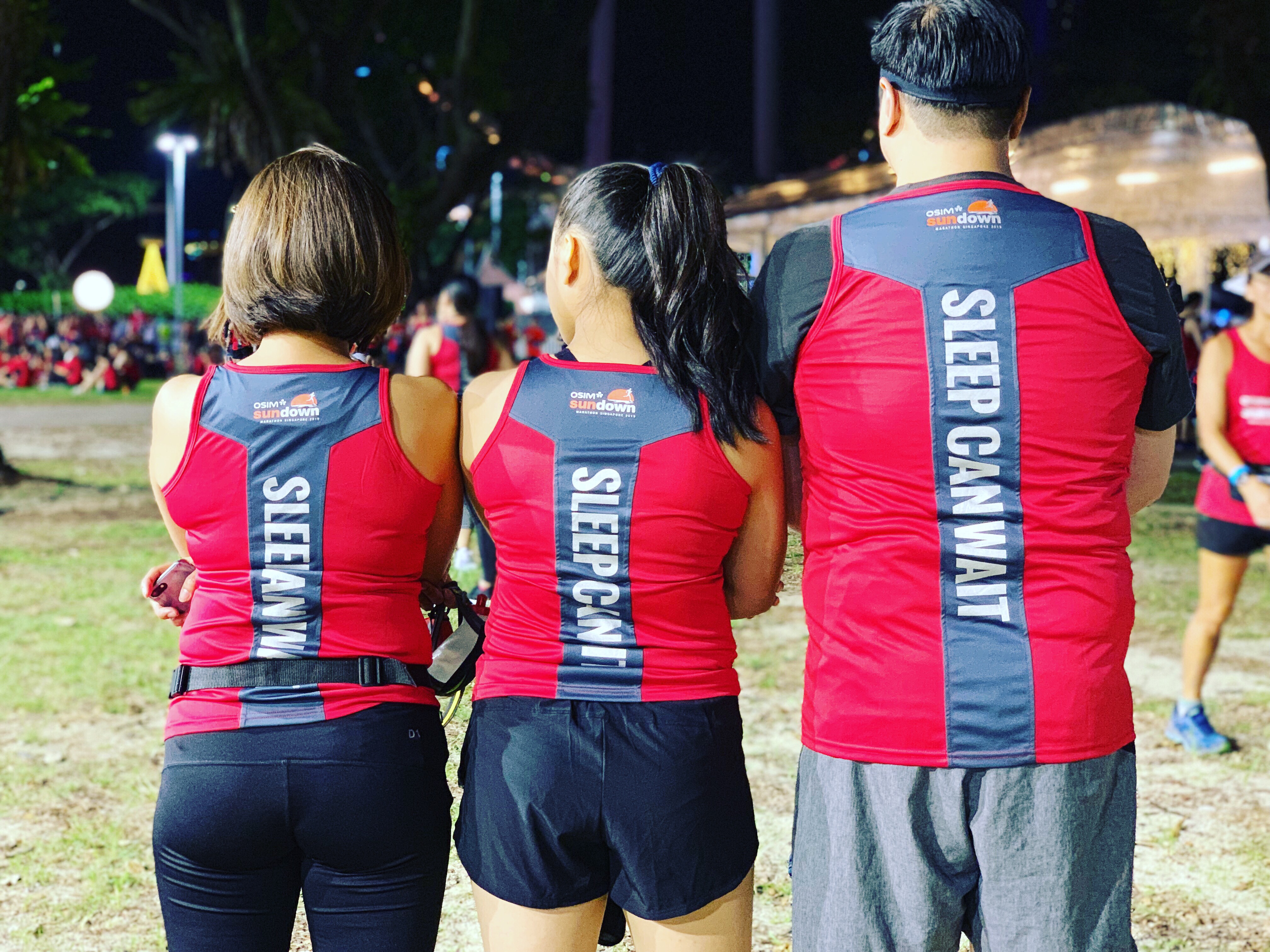
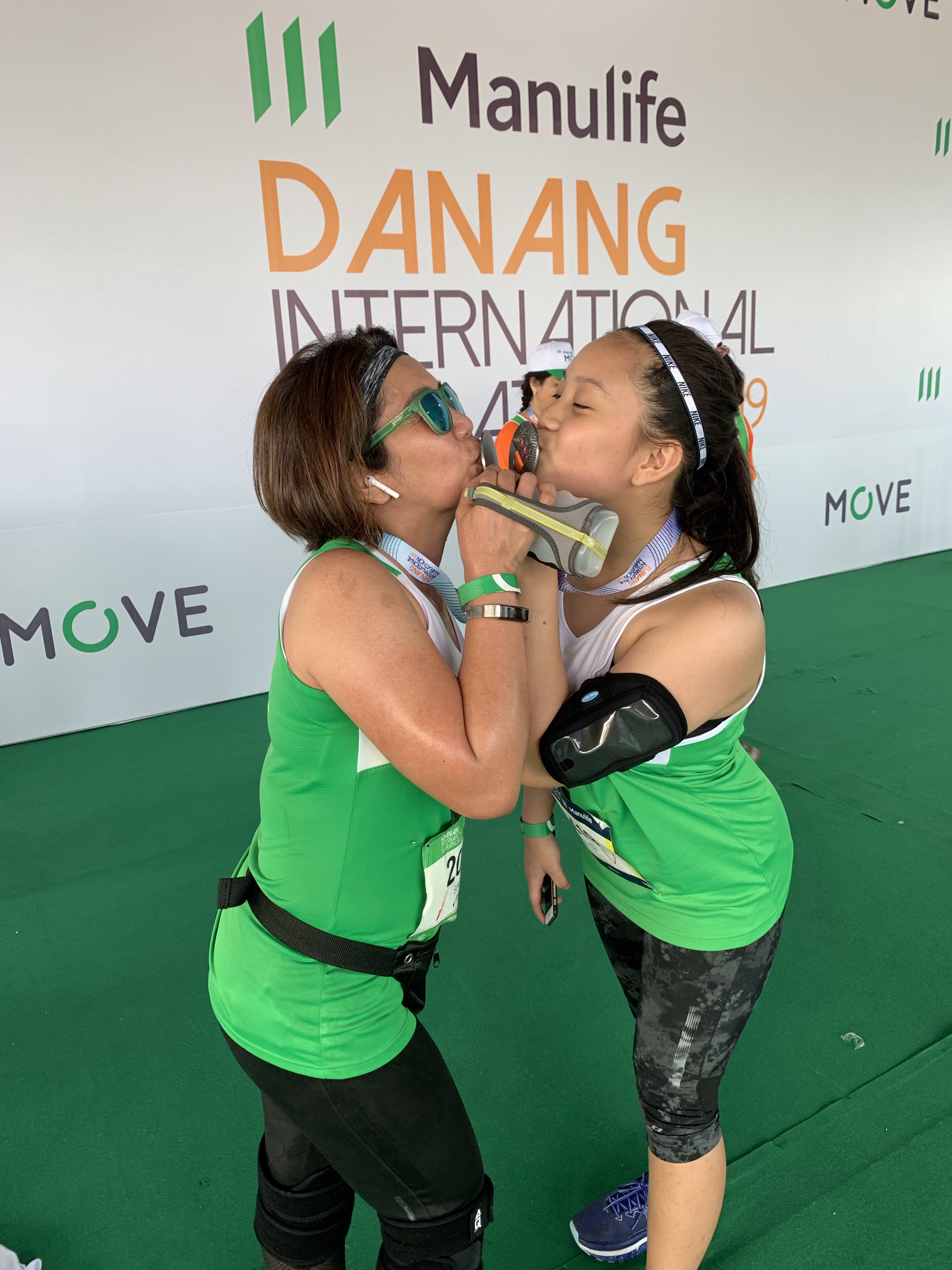
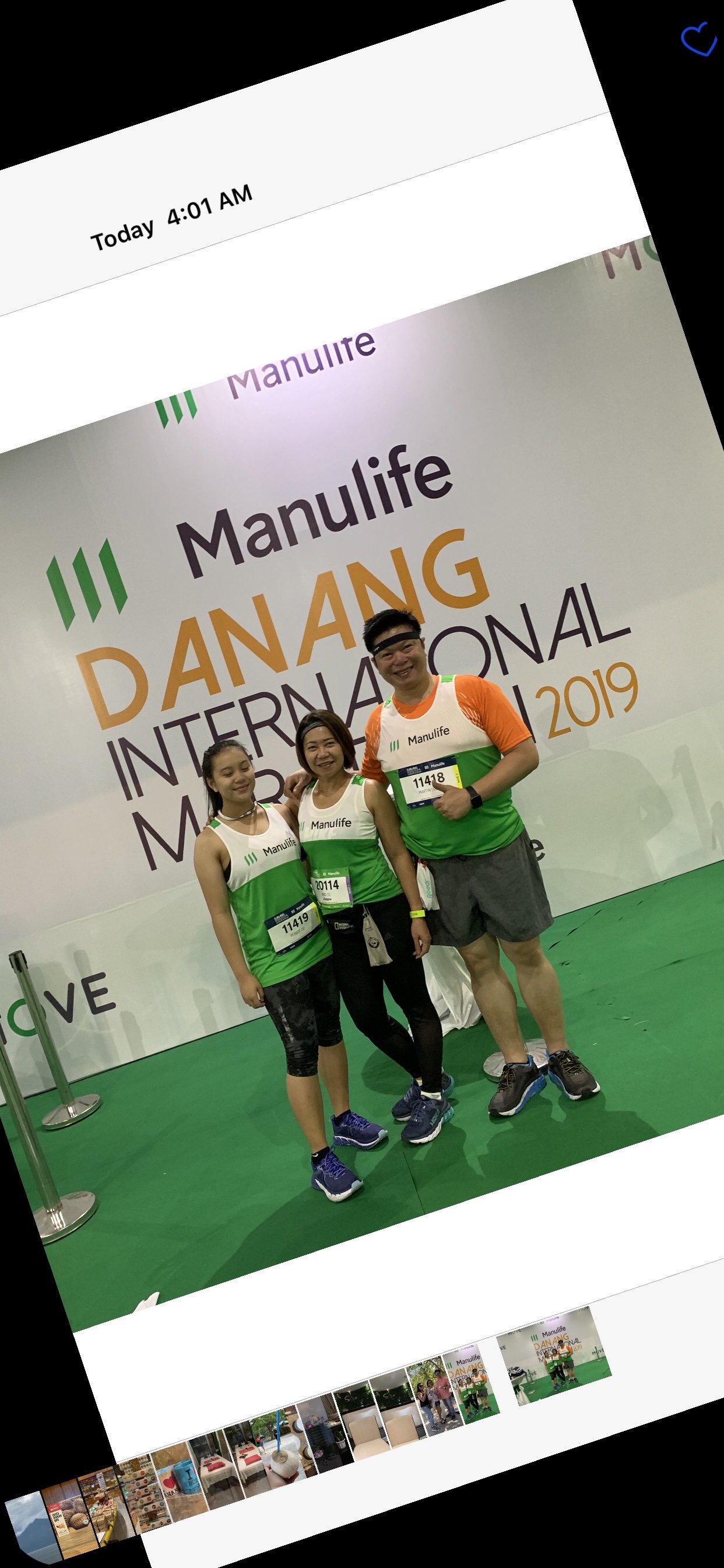
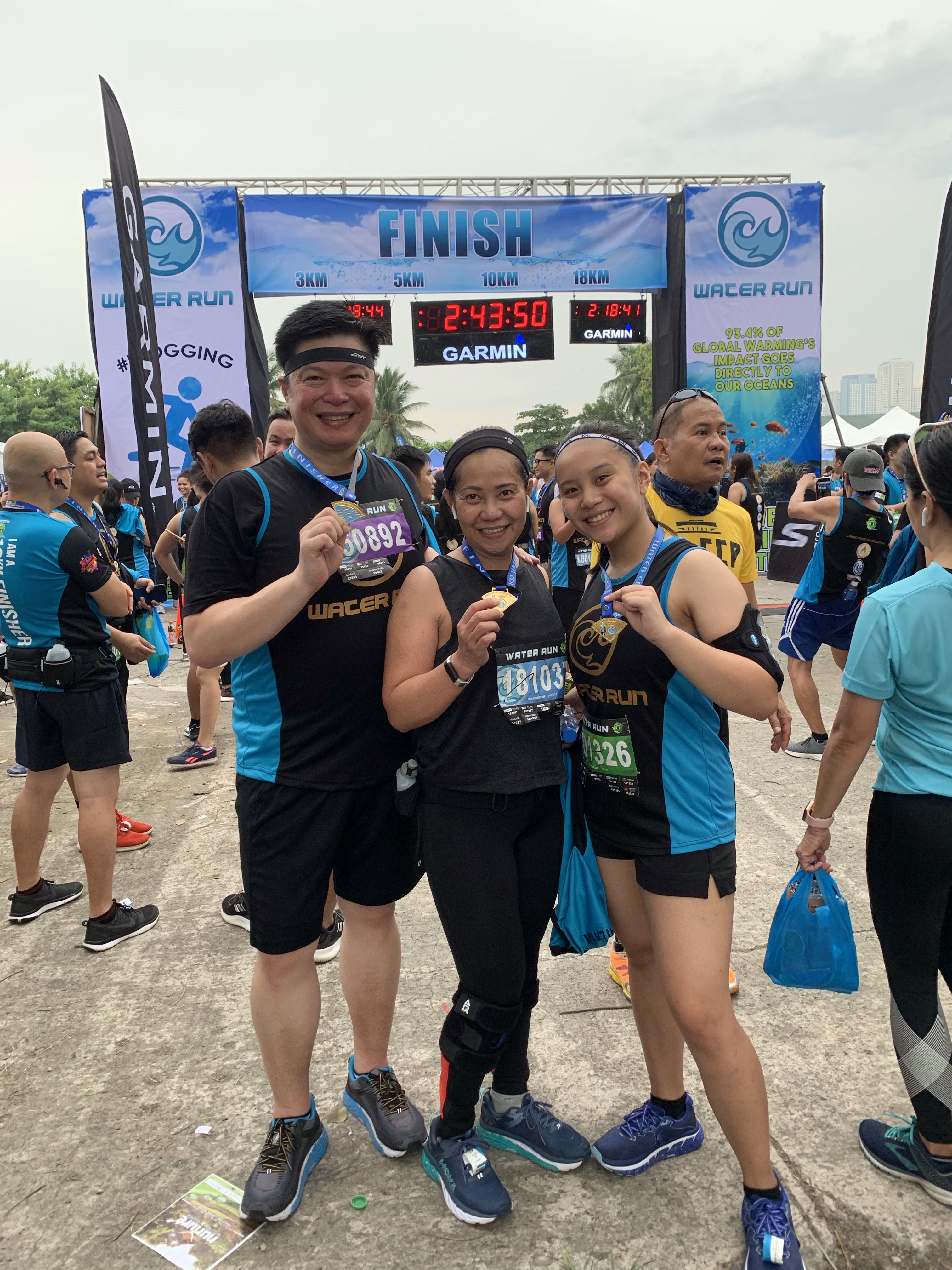
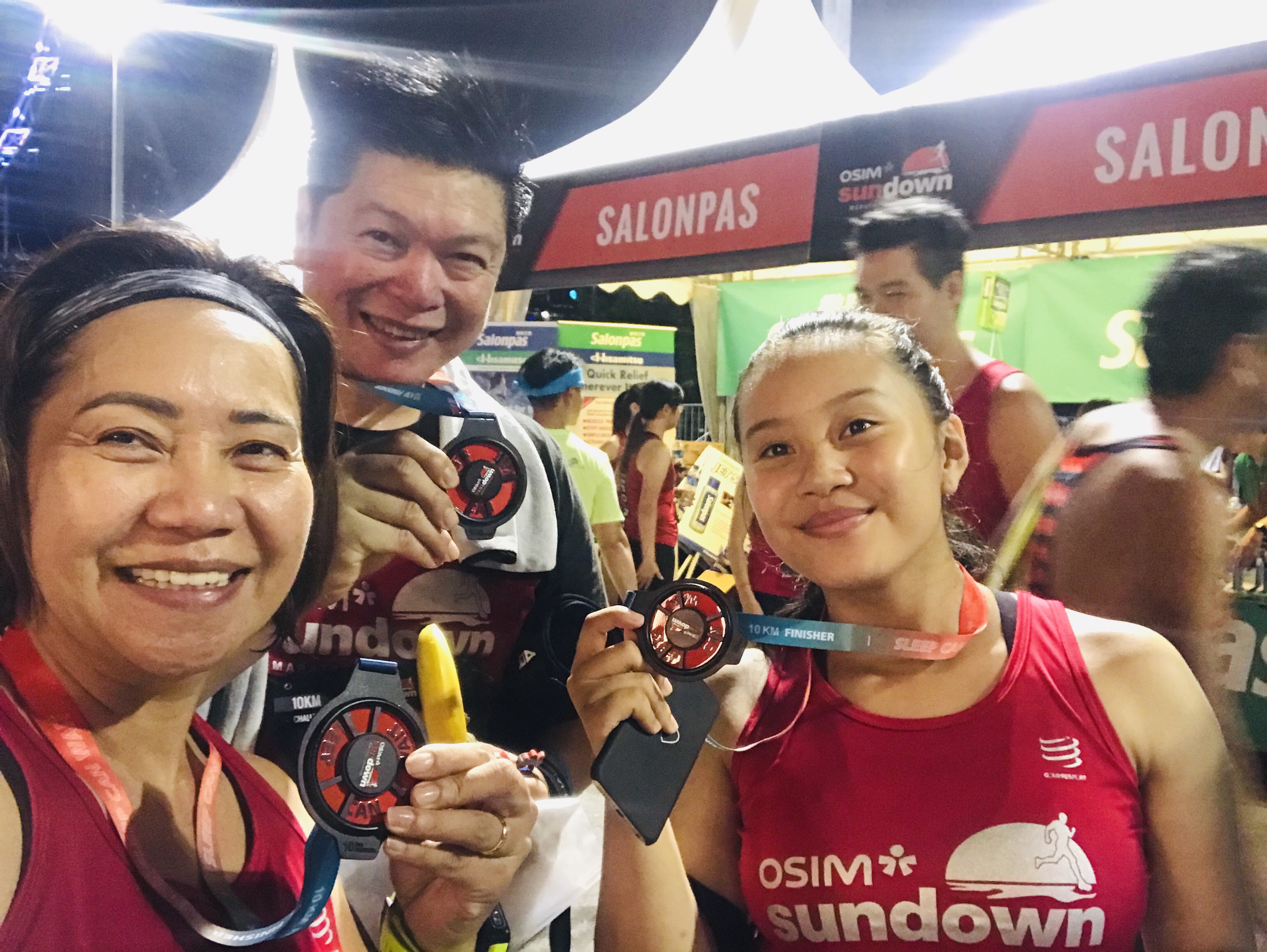
I find it amazing to have something that we enjoy doing together. When we travel every year, we explore the new place by running early in the morning when the neighbourhood is still quiet.
I was training to participate in the Boston Marathon this year, and though it got cancelled due to the pandemic, I am still looking forward to participating next year. I think what I find truly wonderful about running is the fact that it allows me to engage in social advocacies as well. For my participation in the Boston Marathon, for example, I was able to raise close to P800,000 Philippine Pesos (more than $17,000) for the construction of 15 houses for a homeless Muslim community in my hometown in Midsayap, Cotabato. (As of this writing, the village still needs 14 more houses and it is my prayer that these families in-waiting will have their homes soon.) https://m.facebook.com/glad1project/
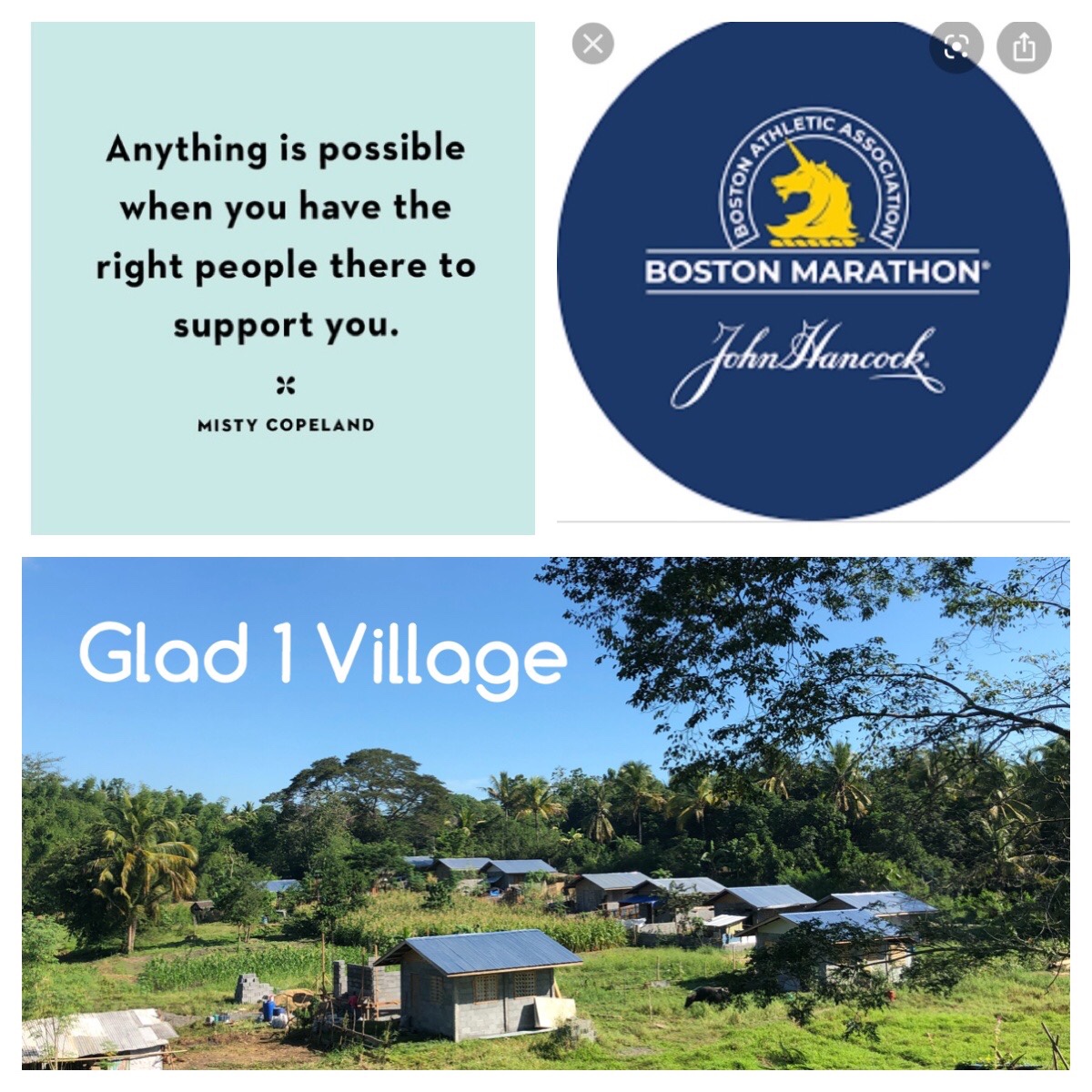
My fundraising campaign for my supposed to-be participation in the Boston Marathon 2020 made possible the construction of 15 houses in Glad 1 Village located in Midsayap, North Cotabato.
As a parent, I fervently pray for Venice to learn the value of generosity. I always tell her that not everyone is given the comforts of life that we are enjoying. We should be a channel of blessings to others. When you are given the ability and opportunity to be generous, make sure you make the most out of it as not everyone has the chance to share their time and resources.
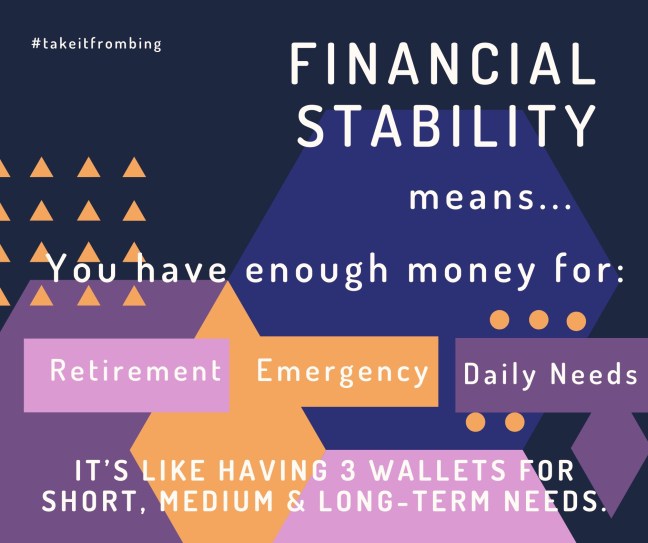
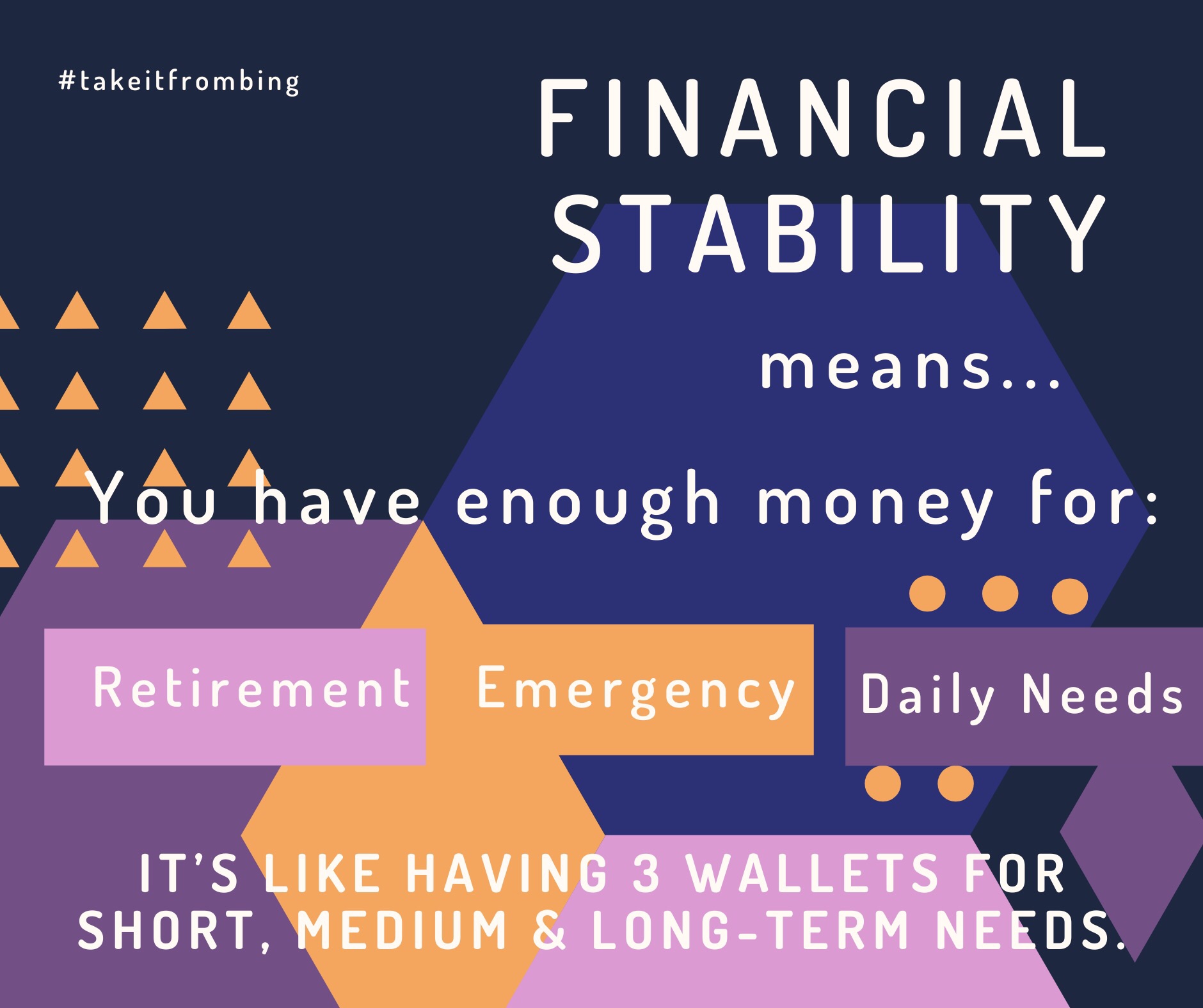
Financial Planning is also important to achieve a quality lifestyle. One of the best decisions we made as parents was to set-up a college education fund for Venice when she turned one year old . After 15 years, our policies have matured and provided available funds for her college education . It also gave us the ability to save and invest more for our retirement. I have been in the financial services sector for more than 30 years and I am a firm believer that financial literacy begins at home.
As a Filipino parent, I really hope that I am able to contribute to the plight of the Filipinos by helping improve the financial literacy of the next generations. I believe if we, as parents, teach money management at home, we will have future generations of families who are better prepared, more secure and can enjoy financial freedom.
Here are 5 tips that I would like to share to improve the money behaviour of our children:
1. Start them early – discuss investment or savings principles in simple terms; open a bank account with cash gifts they get during birthdays, etc.
2. Make them understand the difference between saving and investing.
3. Make them understand the difference between wants versus needs.
4. Make financial principles relevant – for example, take them to get groceries with you and make them compare prices to learn value of money; and
5. Lead by example – live the principles; discuss your plans and aspirations for the future and show them how you are saving up or investing to achieve them.
Motherhood is a wonderful blessing. Imagine being able to impact the next generations by doing our role in the best way we can. If we show and demonstrate to our children how much they are loved and how much they feel secure in our love, then they’ll grow up to be confident individuals ready to love and care for others.
“Let us remember always that the mother is a child’s first teacher and a mother’s heart is the child’s first classroom.”
~Henry Ward Beecher


 Take it from Bing