From the Fast Lane to a different kind of busy – Part 2

It is a basic process to start a venture with a Vision. So we started here. I gathered my siblings to define what we stand for and what we want to become as a start-up business. At the core of what we do is “honoring the legacy of our parents”, thus, their ideals should be reflected in the heart of the way we will operate our business.
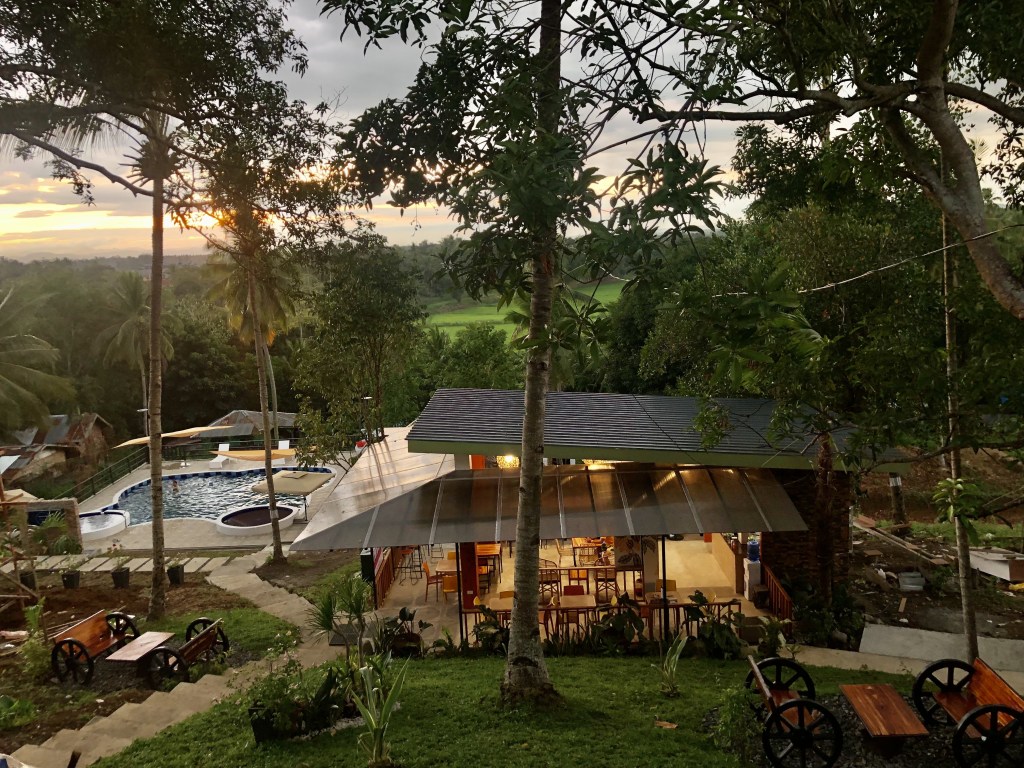
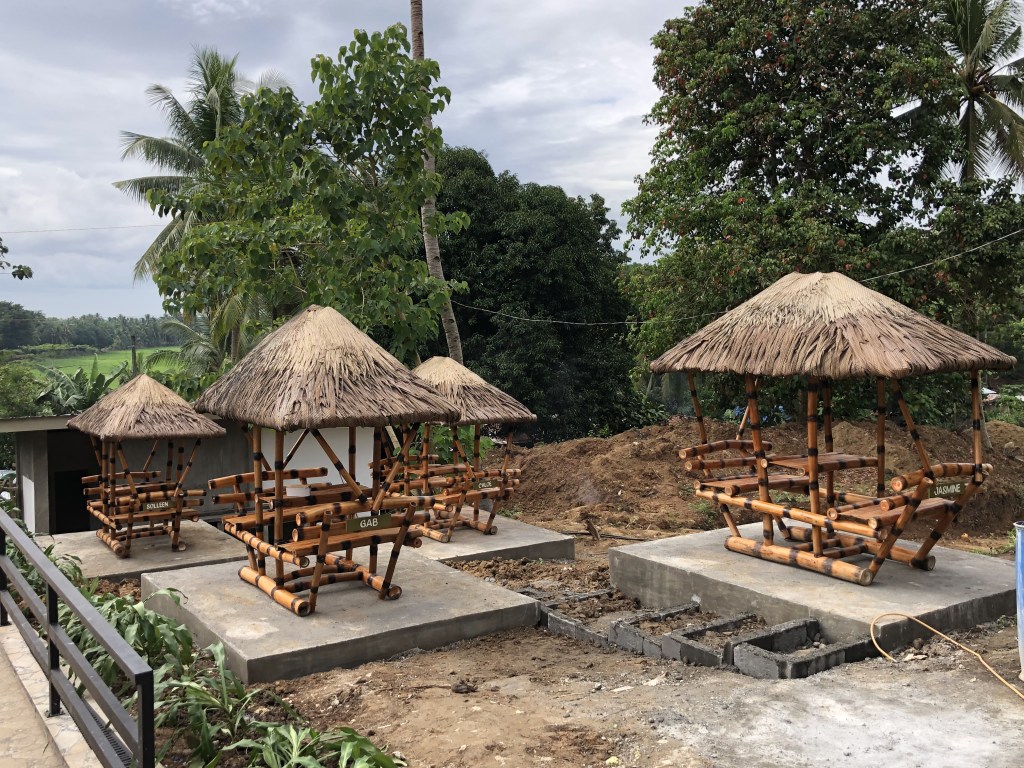
At the early stage of the construction of the Resort

It was our unanimous decision as Siblings that we will make the business a Family Corporation with each one contributing resources and expertise but as none of us have put up a business of this scale (although, it isn’t really a big business by technical measure) and I wanted to make sure that we do it right from the start, we immediately tapped a consultancy firm to do the business registration, permits and all legal requirements.
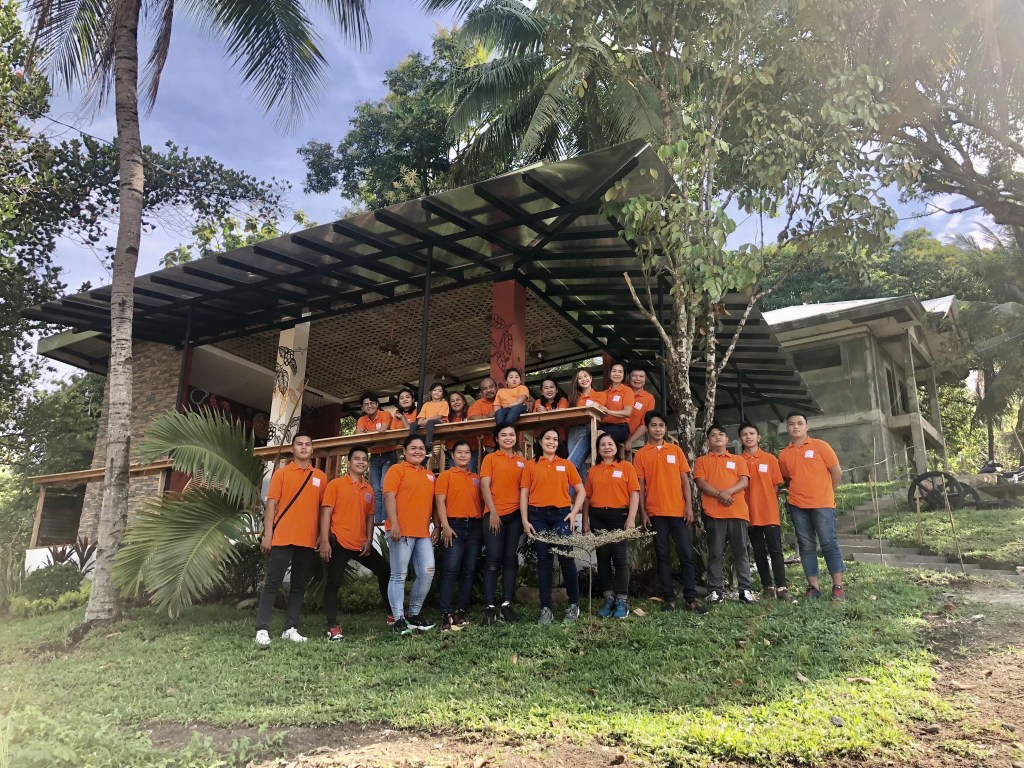
VISION:

To be a preferred family resort that offers unique services with heartfelt and quality service.

MISSION:

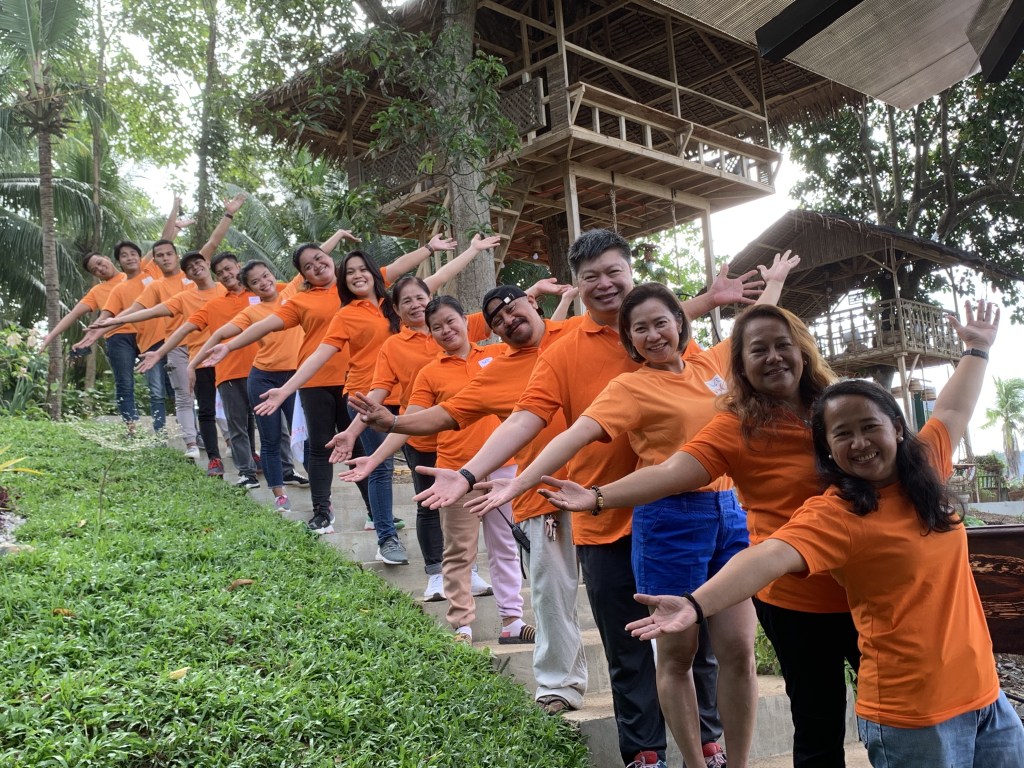
We differentiate ourselves by offering creative and unique guest experiences with delightful hospitality service delivered by a team who are honest and passionate to serve. We offer memorable experiences that showcase beautiful spots of the Cotabato Province while providing work opportunities for locals not just to earn a decent income but also to hone their talents and enhance their skills with the goal of improving their lives.

My experience so far validates the truth that no matter how knowledgeable we are about business principles, reality is different from theory and when it is your hard-earned retirement money at stake, you cannot afford to do everything on your own and leave costly mistakes and “charge it to experience.”

Here are a few “best practices” and lessons worthy of sharing:

  • Define early what the big ticket items are and identify which ones you can do on your own and which ones you must get someone else to do as it is not your skill. There might be tasks you will need to outsource. Always ask yourself, is it worth spending? 
  • Track your expenses and always review how you are proceeding with the plan. Resources can be drained fast and overspending in one area has dire consequences. We have many lessons here and it was (and still is) a constant balancing act of wanting to do more and keeping the costs within plan.
  • Do not be anxious with a slow start (in terms of sales revenues). It is your opportunity to practice. Pay attention to the little details and immediately address them: how are the staff greeting customers? What’s the whole service quality process? What are your inventory levels? When are your peak and non-peak days and months and how will you arrange the work schedule? And many, many more details that you can immediately address given the fact that there are not many customers every day. So use the time to get organized.
  • Plan for the low months. Some businesses have seasonality considerations so it is important to set aside a “reserve fund” for the low months as overhead costs (payroll, rental, utilities, etc) will be constant even if sales are low. We cannot expect much profit in the early years so it is important to have reserve fund for operating costs. 

As I always say, embrace every day as an opportunity to learn for what looks like failure is a lesson to be learned and what looks like success is a validation that you did something that is worth doing more of.
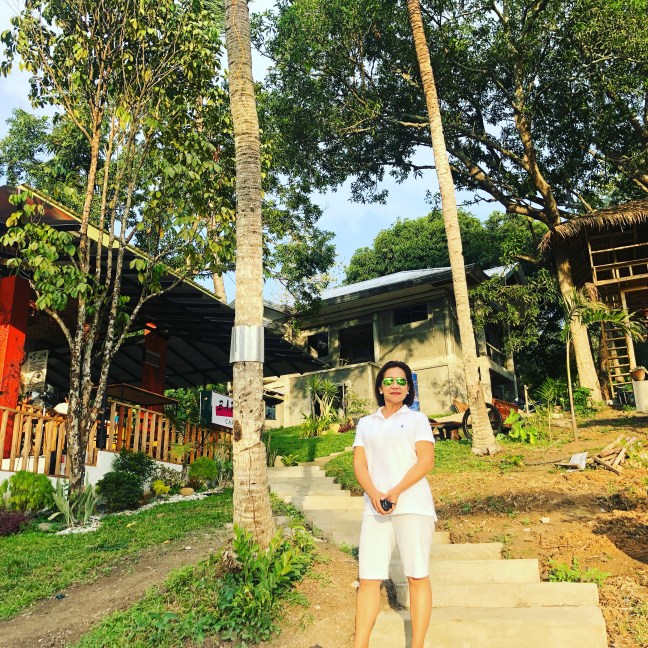
From a fast lane to a different kind of busy (My New Chapter)

Over the more than 3 decades of working in the corporate world, I have asked hundreds of people what their ultimate dream is and predominantly, they would answer “I want to be my own boss”. Everyone wants to be an entrepreneur but only few would take the bold move. Myself included.

My bold move was sort of “forced” on me as it was a couple of years earlier than my original plan.

The pandemic slowed down every business and no one was spared. Being realistic, I know that my role cannot be justified anymore knowing that mine was an expensive item. I readily accepted the reality and quickly moved to implement my plan…to build a Resort that will be the source of my Retirement Income

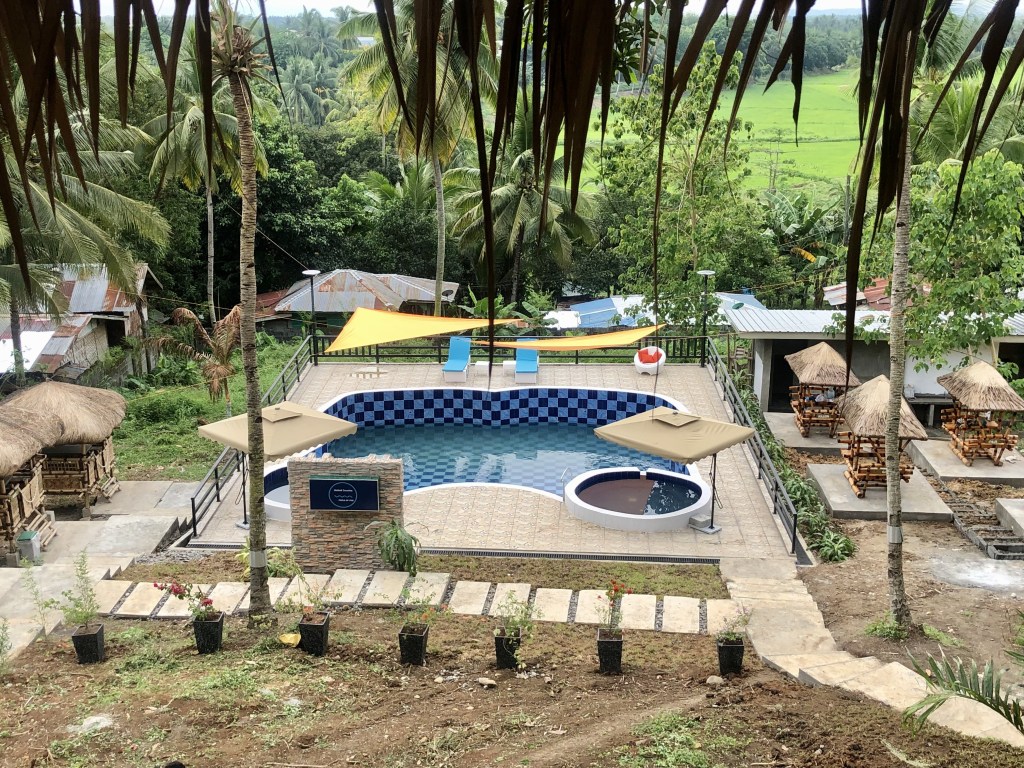
It seems everything was orchestrated by my mother who’s passing triggered the construction of VirCris Mountain Resort as a tribute to her hardwork to raise us and my 3 siblings and to honor our beloved father who died 35 years ago. A few months before my retirement, we started its construction with only Phase 1 in mind. Upon my retirement, I decided to accelerate the construction of Phase 2 as I do not want my retirement money to stay idle and with the very unstable market, there weren’t too many options out there.

My new chapter as an entrepreneur and Resort Owner is certainly not only a bold move but the most daring one I’ve taken. Considering the ongoing pandemic then and no end in sight yet, putting something that is capital intensive is not for those with a faint heart. It is a leap of faith and that is absolutely the best way to put it – a leap of faith!

My corporate experience though has prepared me for this. In my role, I would lecture on basic business management principles – it is time to execute the talk.

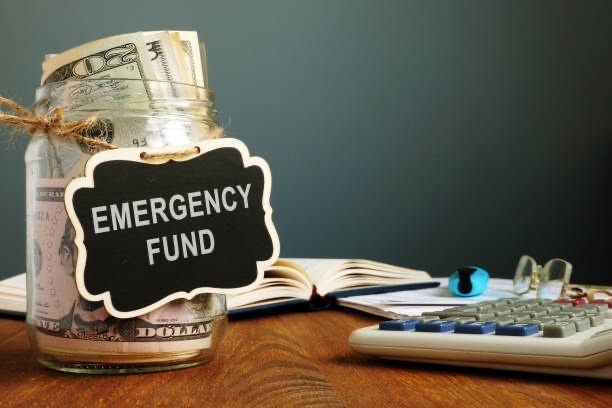
Emergency Fund…taken for granted no more!

Having an emergency fund is a must in any financial plan as we do not want to touch the savings we have for our children’s education or the retirement fund we diligently built-up when some unforeseen events happen.

Although the pandemic disrupted this principle especially those who lost their jobs or got saddled with sickness, this simple guide remains to be relevant: a prescription of at least 3 to 6 months of your monthly cost of living and if you have more savings, it is better to put the excess in an investment fund that gives you better returns.

But first, why is an emergency fund important? Quoting Zach Buchenau, a personal finance expert (https://bethebudget.com/why-is-an-emergency-fund-important/) “emergency fund is important because it acts as a financial cushion in the event of an unexpected expense. Whether it be medical bills, home repairs, or a family crisis, an emergency fund can help you steer clear of debt, protect your assets, and avoid unnecessary financial struggle.”

So how do we build an emergency fund? Here’s a simple guide: Read more at https://www.saveandinvest.org/military-everyday-finances/start-emergency-fund

  • Chart your monthly income and expenses. This will help you determine not only your monthly cost of living but can also help you identify where you can cut expenses in order to set aside for the rainy days.
  • Set your emergency savings goal. As I mentioned earlier, a quick guide is 3 to 6 months.
  • Develop a plan to start saving. For some, cutting costs is a must and tracking your expenses can help you find what items you can give up to give way to savings.
  • Put your emergency fund in an accessible place. A regular bank savings account is a good place for this as you can access it without paying penalties. As such, do not mind the very low interest rate as that is the reason why you can withdraw it anytime.
  • Stick to your plan. It may not be easy as there are lots of reasons we come up with why we can’t set aside the amount regularly until the fund goal is reached but resist the temptation and stick to the purpose of the fund – it should only be used for Emergency.

I must add that expenses like tuition fees are not “emergency” expenses as these are scheduled and can be planned ahead. There are health plans that can help cover medical expenses and it is always advisable to get covered for these expenses too.

Finally, this Covid-19 pandemic has exposed our financial vulnerabilities and has taught us so many lessons including ensuring having a sufficient emergency fund, having health plans and insurance coverage. Let us not waste these lessons by not acting on them and plugging the holes in our financial plan.

Let’s not take for granted setting up an emergency fund anymore. It’s one lesson from this pandemic that we must learn and act on.